Every myth carries a truth older than the civilization that told it.
Showing 711–720 of 738
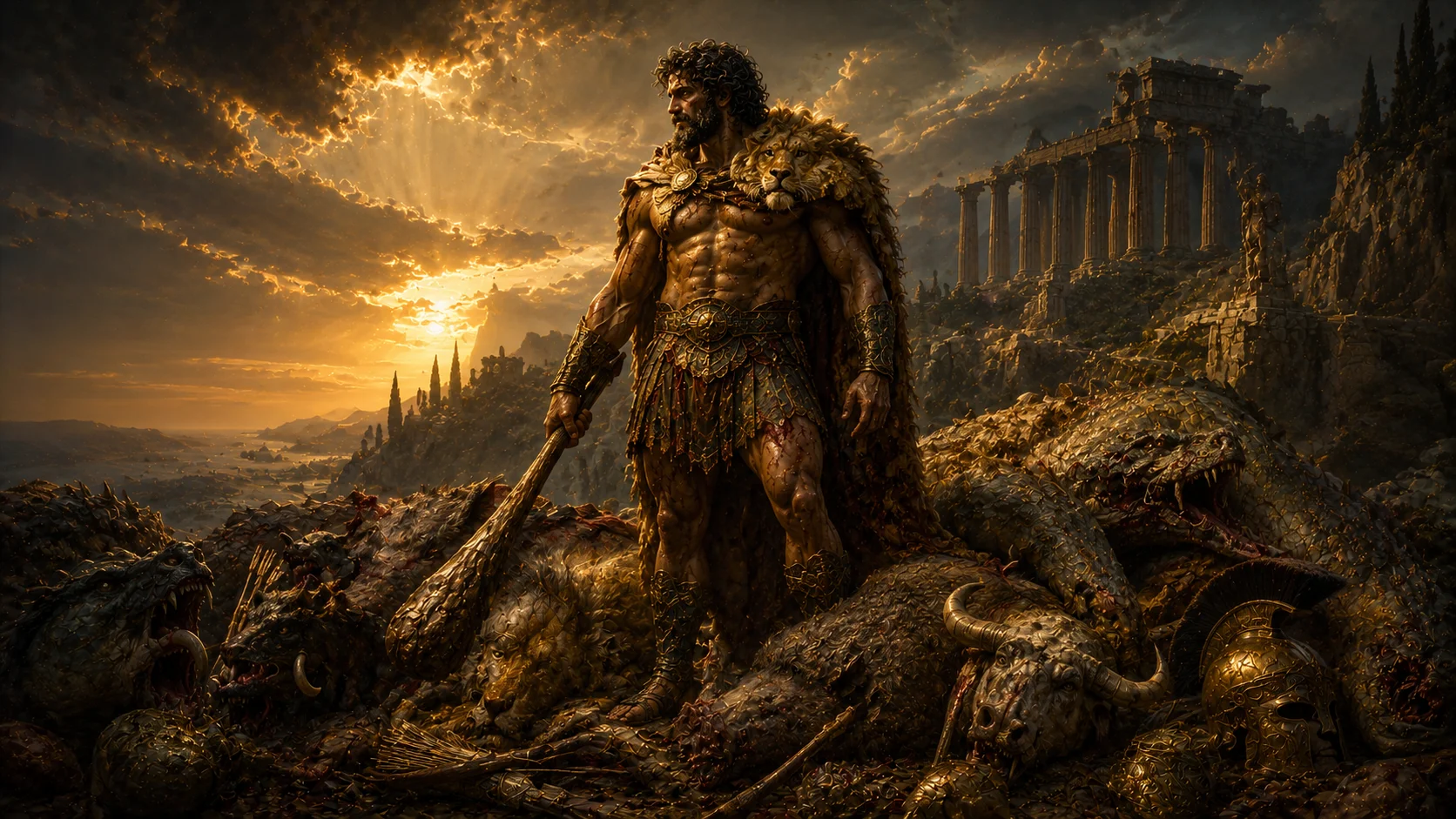
The myth of Heracles: son of Zeus and the strongest hero of Greek legend, tormented by Hera, who performed the Twelve Labours as penance and was raised to
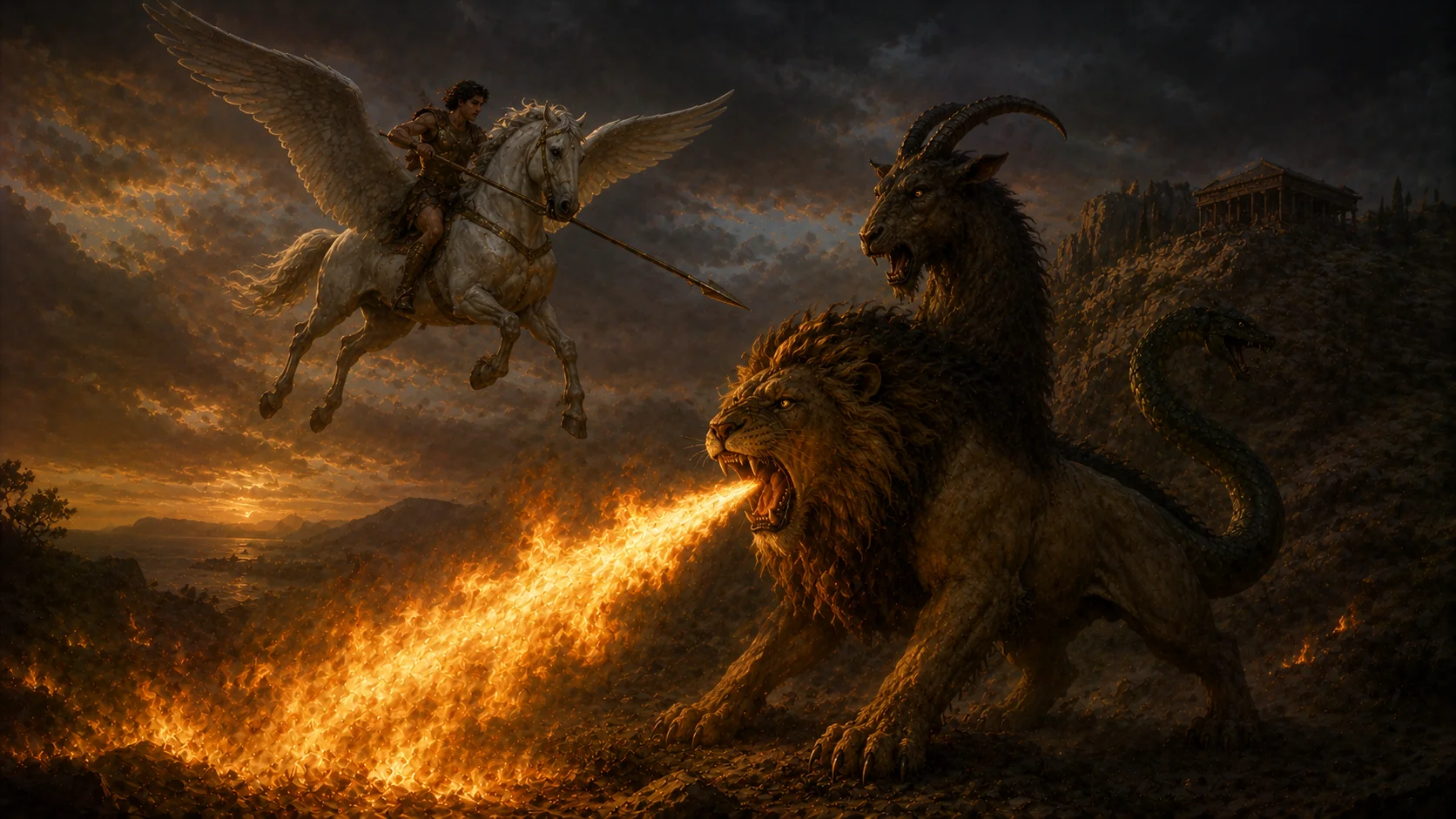
The myth of the Chimera: the fire-breathing lion-goat-serpent of Lycia, slain by Bellerophon on the winged horse Pegasus, whose name became the word for
The myth of Artemis: twin of Apollo, virgin goddess of the hunt and wild things, protector of young girls, and the merciless vengeance she took on Actaeon
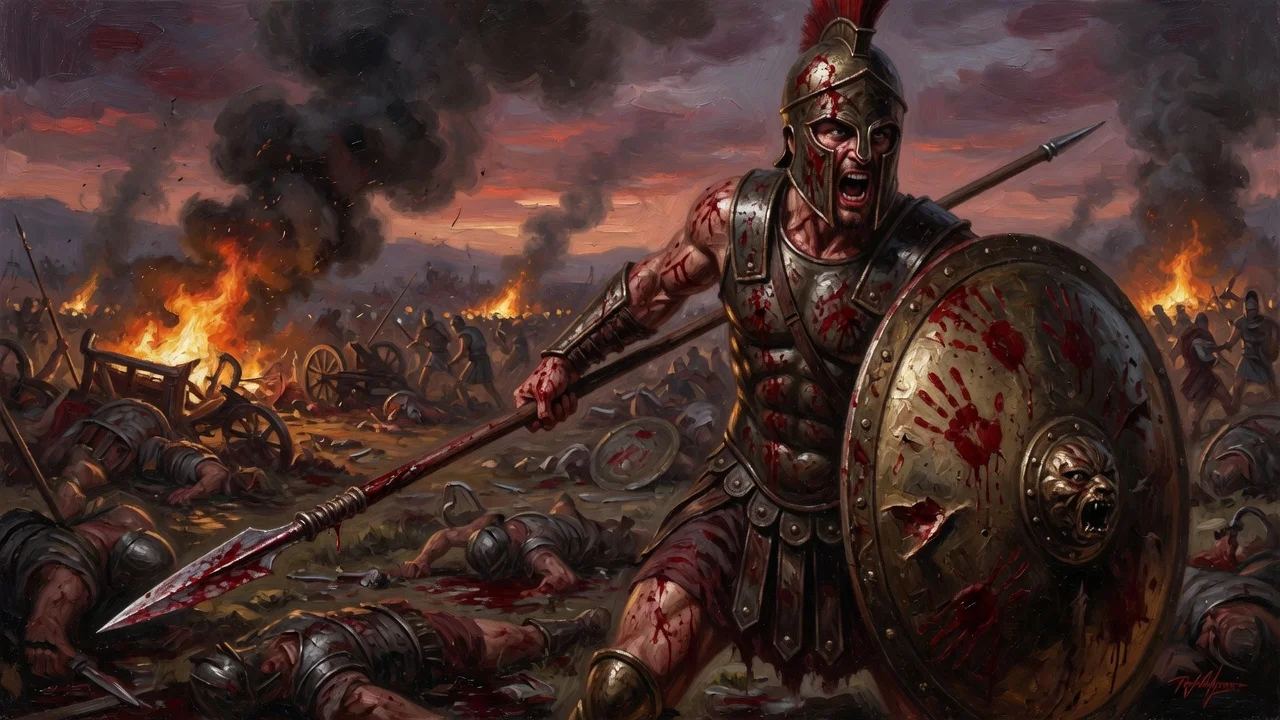
The myth of Ares: the Greek god of war despised by gods and men alike, the foil to Athena's strategy, his scandalous affair with Aphrodite, and his
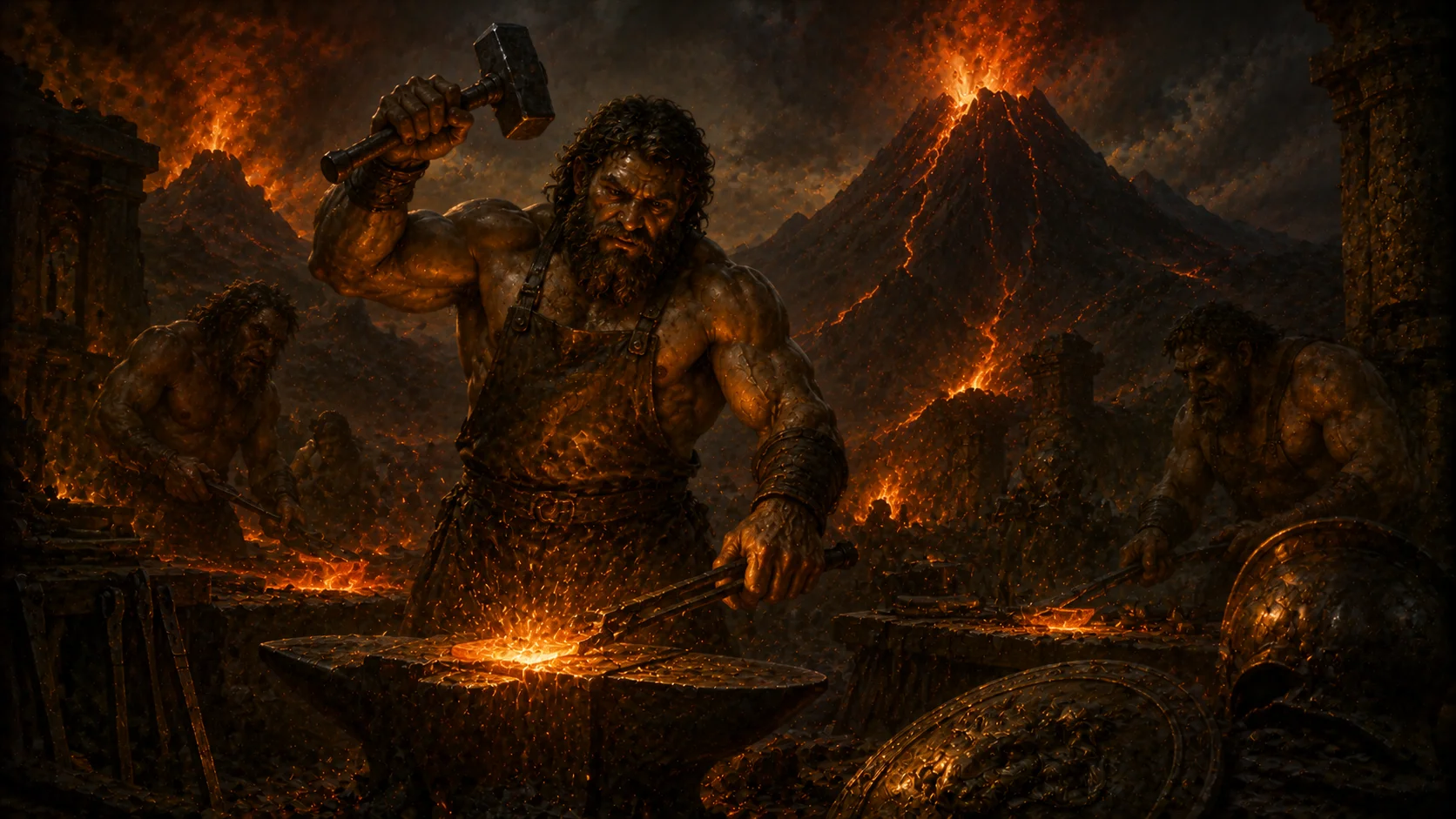
The myth of Hephaestus: the lame smith-god cast from Olympus, his volcanic forge, the wonders he made (Achilles' shield, Pandora, golden automatons), and
The myth of Dionysus (Bacchus): the twice-born god of wine, ecstasy and madness, his birth from Zeus's thigh, the maenads, the fate of Pentheus, and how
The myth of Hades: the grim, just lord of the dead who drew the underworld by lot, called Plouton for the earth's wealth — not a devil, but the lonely king whose abduction of Persephone made the seasons.
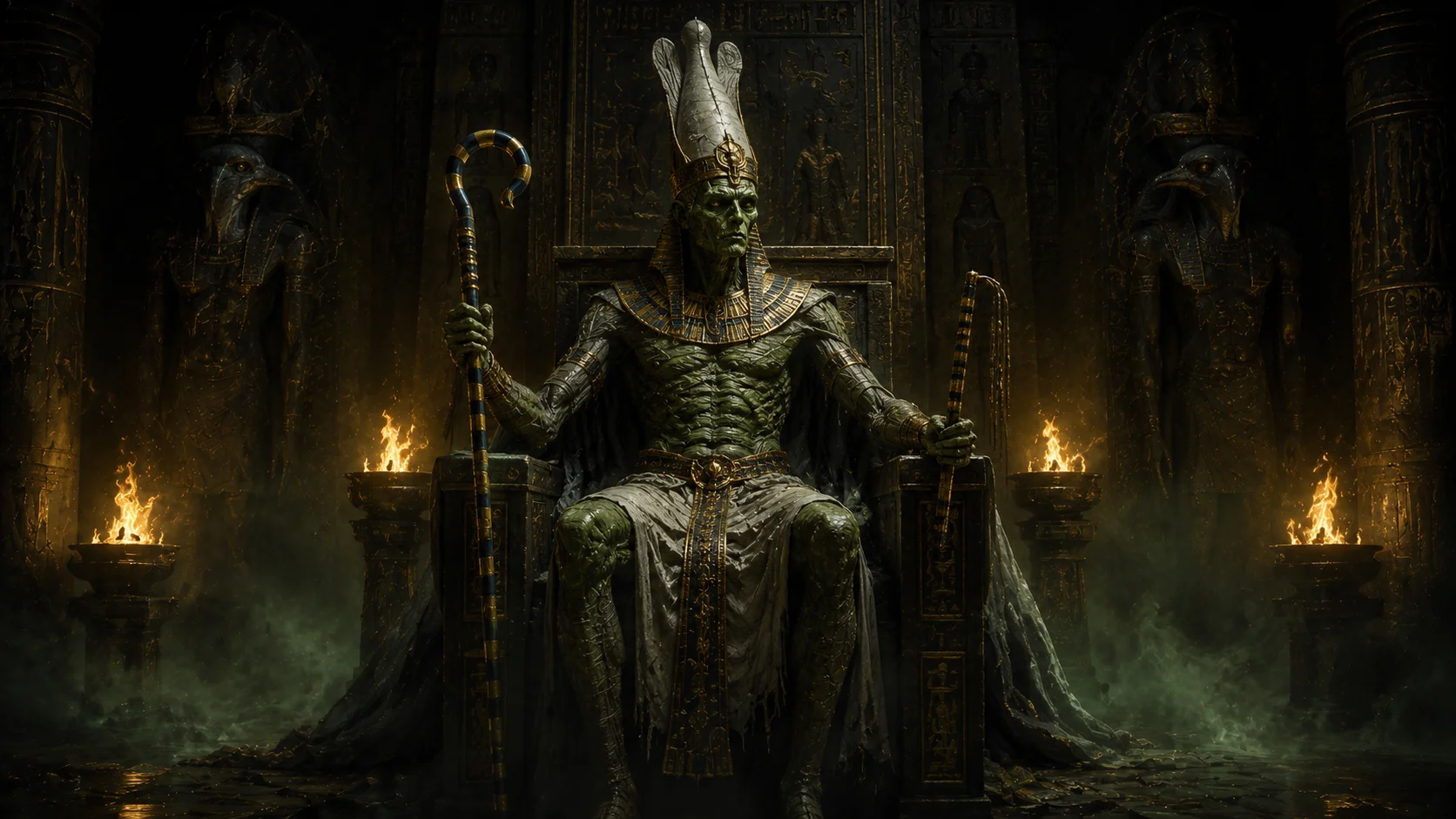
The myth of Osiris — green-skinned king of the afterlife, murdered by Set and restored by Isis to rule the dead and judge every soul in the Hall of Two Truths.
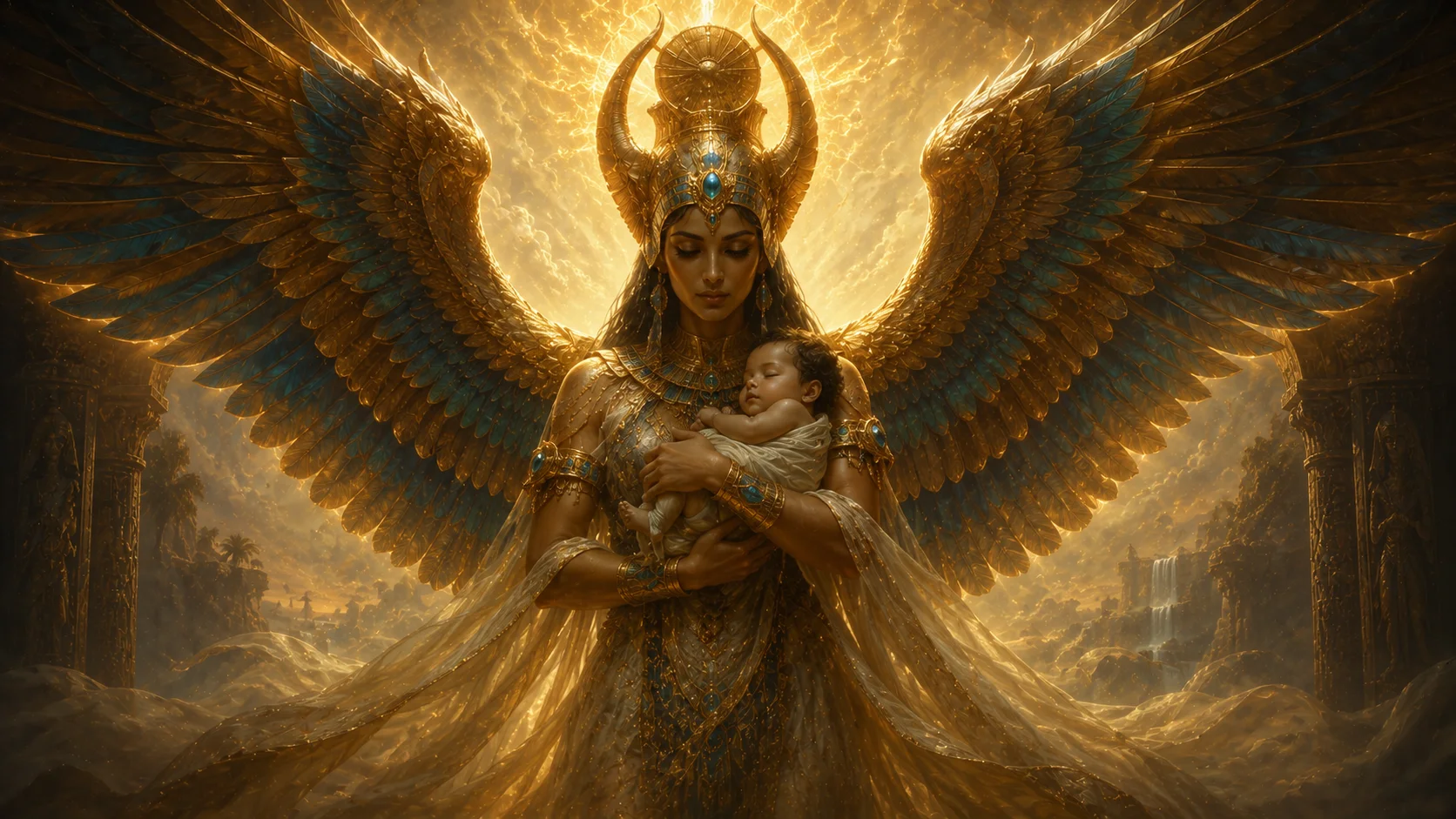
The myth of Isis — great goddess of magic who resurrected Osiris, hid the infant Horus, and tricked Ra out of his secret name to become mightiest of the gods.
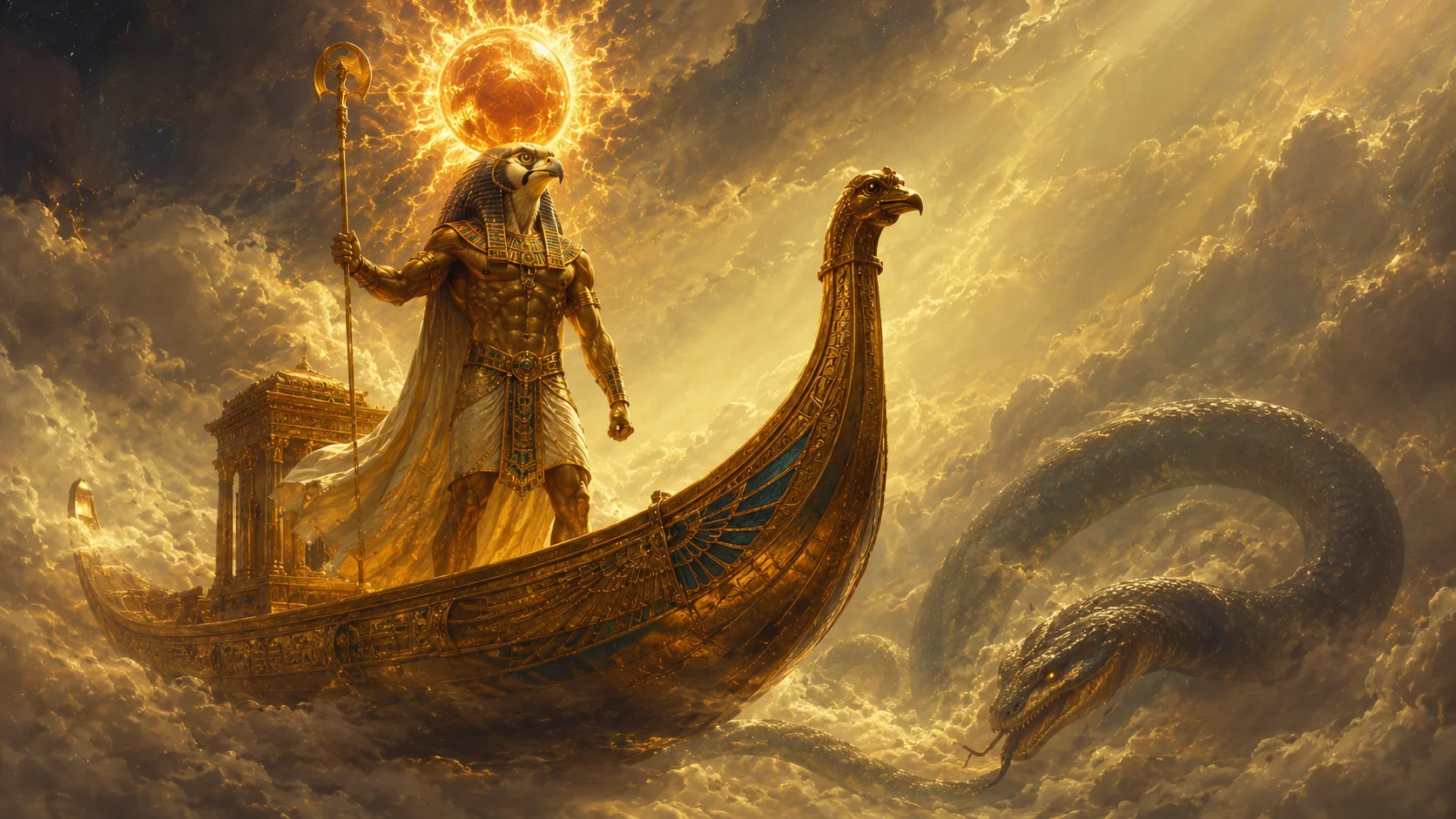
The myth of Ra — sun-god and king of the Egyptian gods, who sailed his solar barque across the sky and battled the chaos-serpent Apophis so the sun could rise.