Every myth carries a truth older than the civilization that told it.
Showing 721–730 of 735
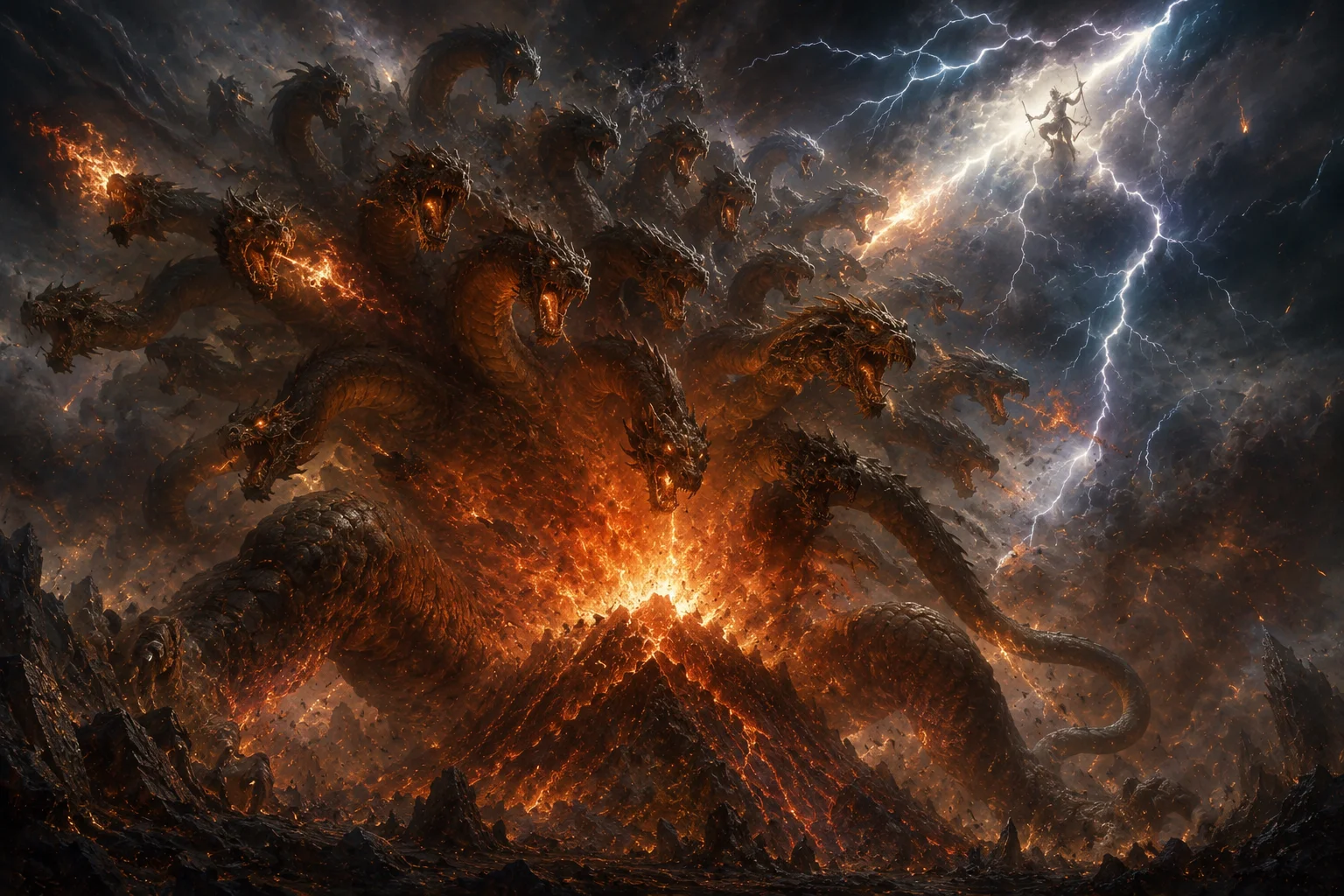
The myth of Typhon — the colossal hundred-headed monster who nearly toppled Zeus, was buried under Mount Etna, and fathered Greek mythology's deadliest beasts.
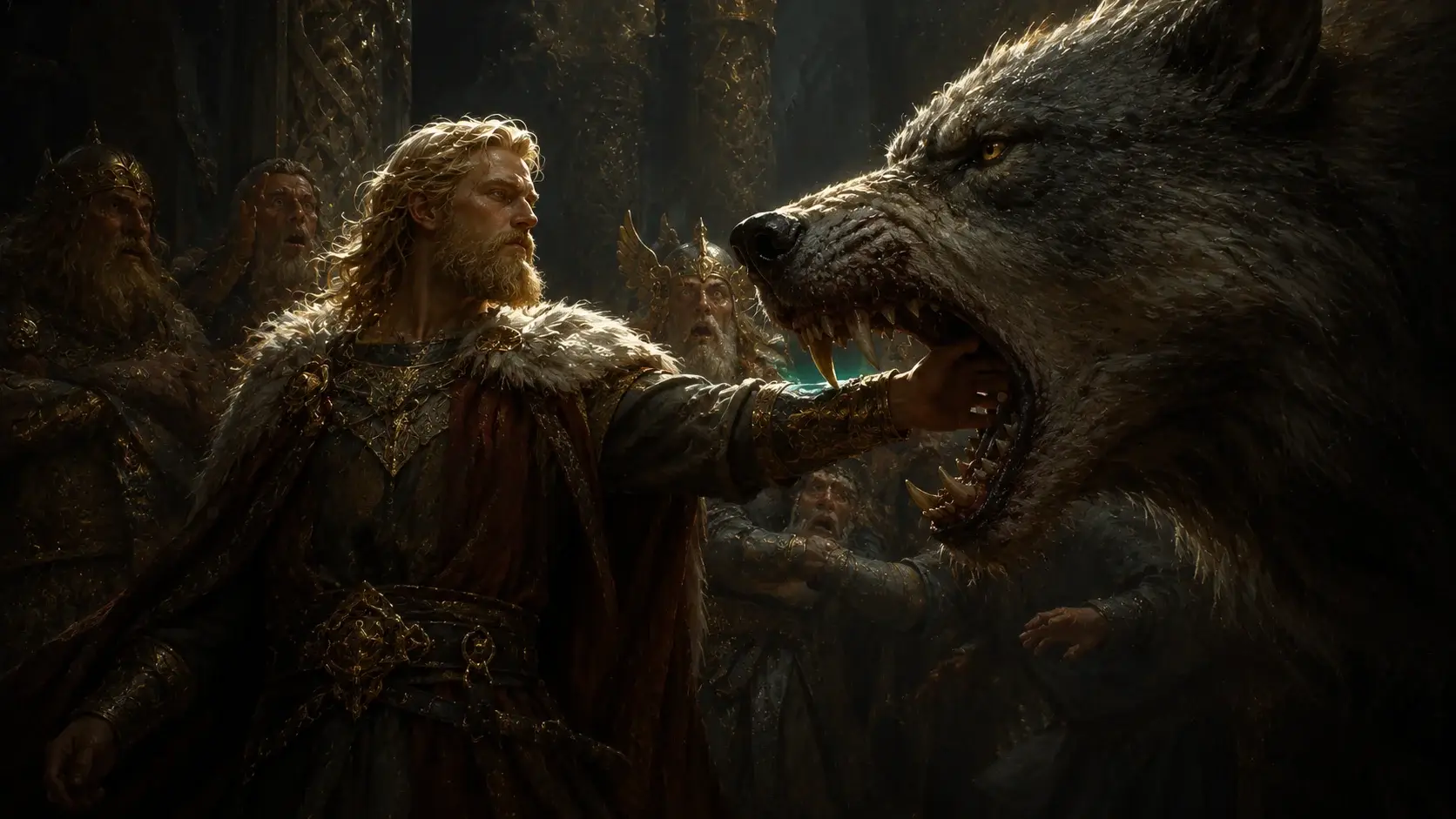
The myth of Týr — the one-handed Norse god of war, oaths and justice, who lost his hand binding the wolf Fenrir to save the gods from Ragnarök.
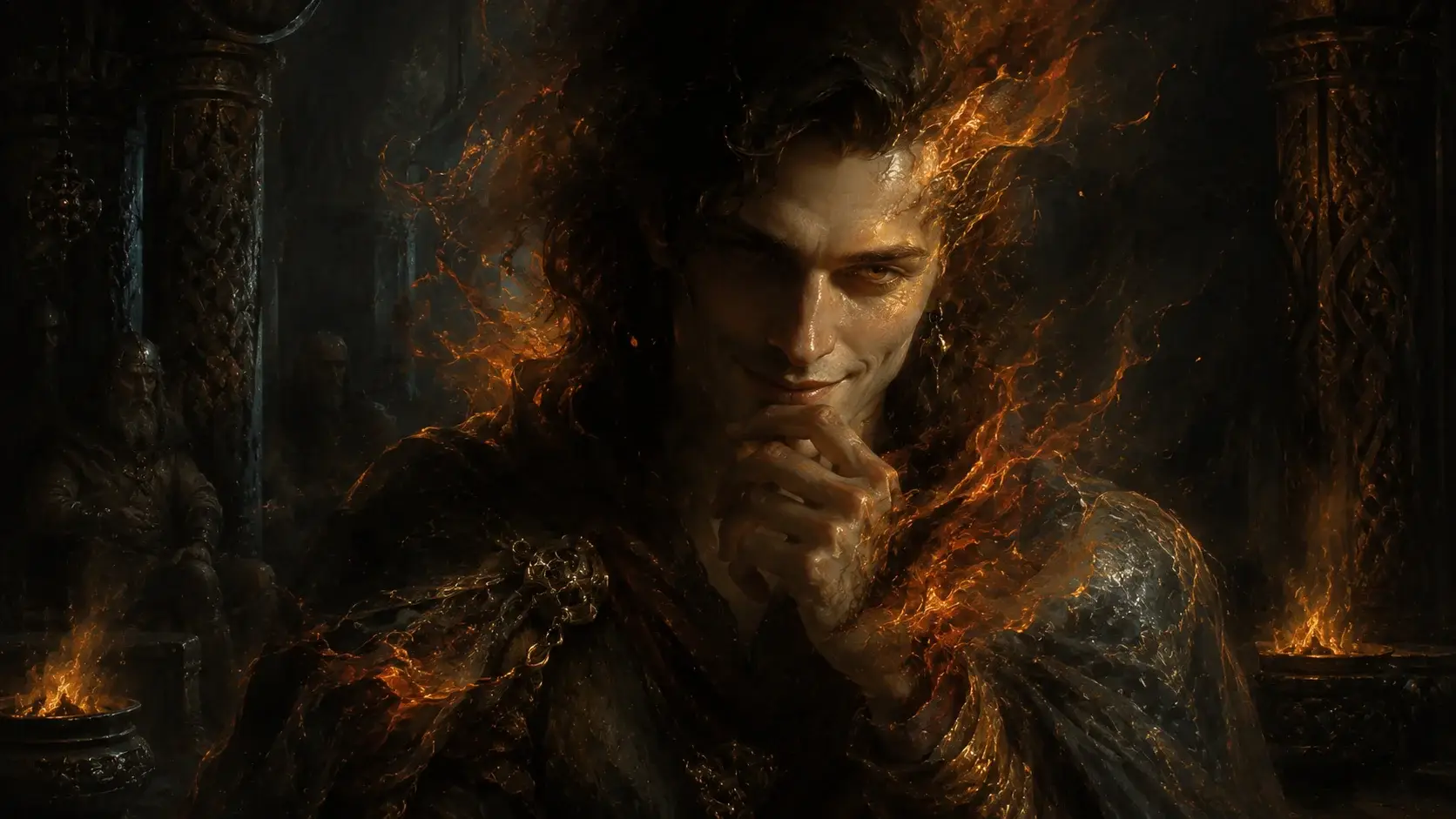
The myth of Loki — shape-shifting trickster of the Aesir, father of Fenrir and Hel, blood-brother of Odin, whose final betrayal sparks Ragnarök.
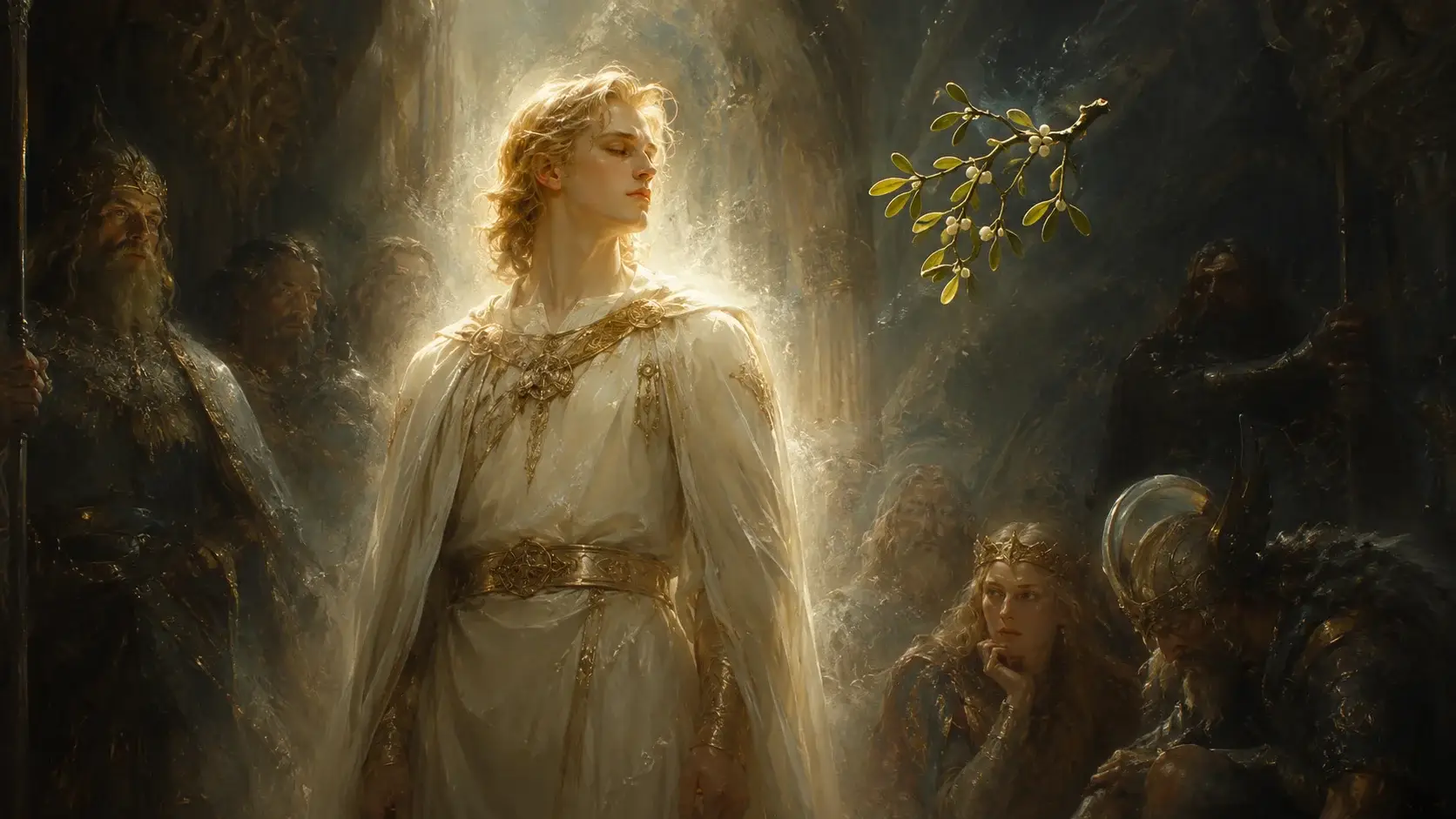
The myth of Baldr — the radiant beloved son of Odin and Frigg, whose dream of doom and death by a mistletoe dart set Ragnarök in motion.
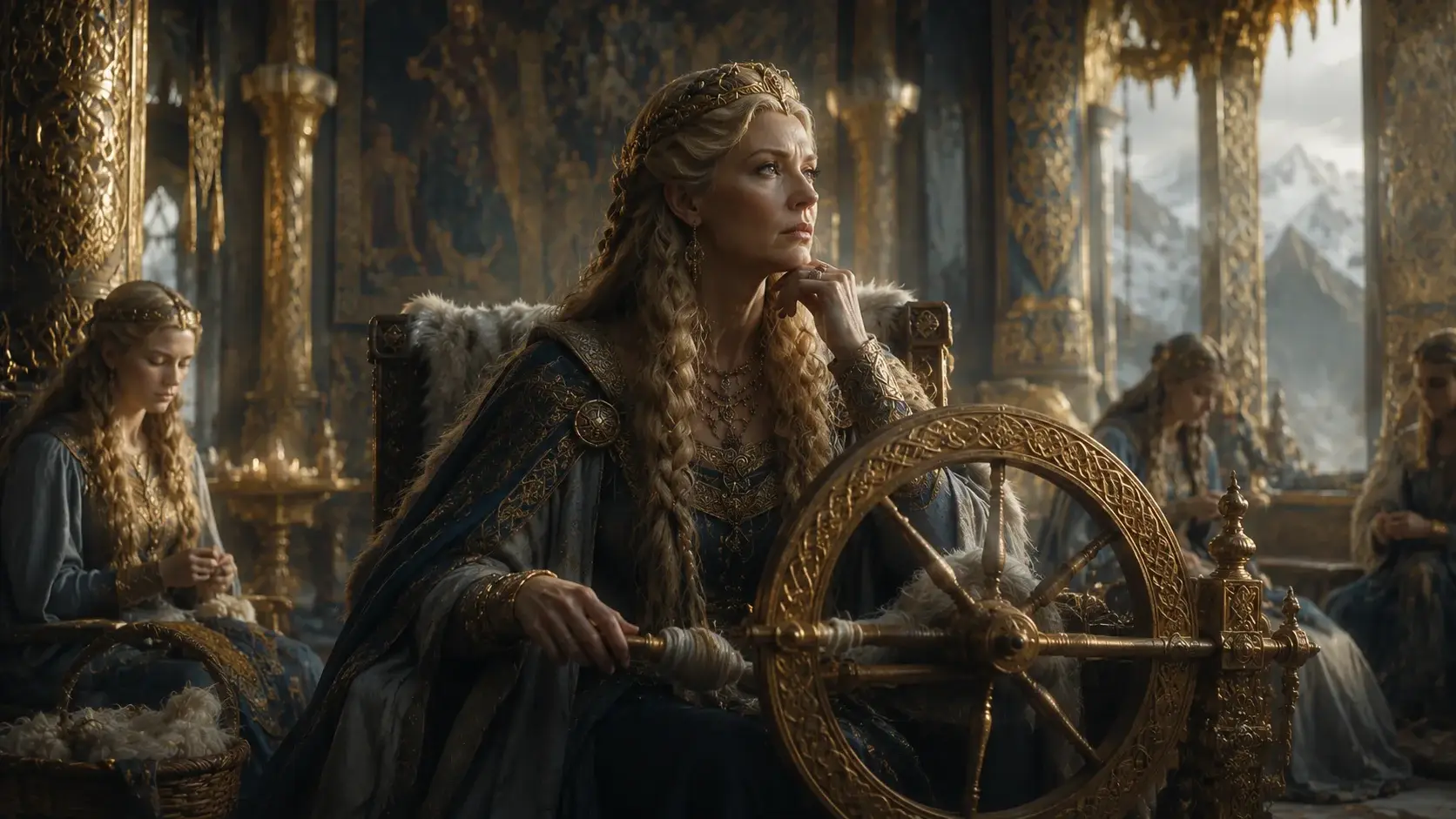
The myth of Frigg — queen of the Aesir and wife of Odin, goddess of marriage and motherhood, who could not save her son Baldr from the fatal mistletoe.
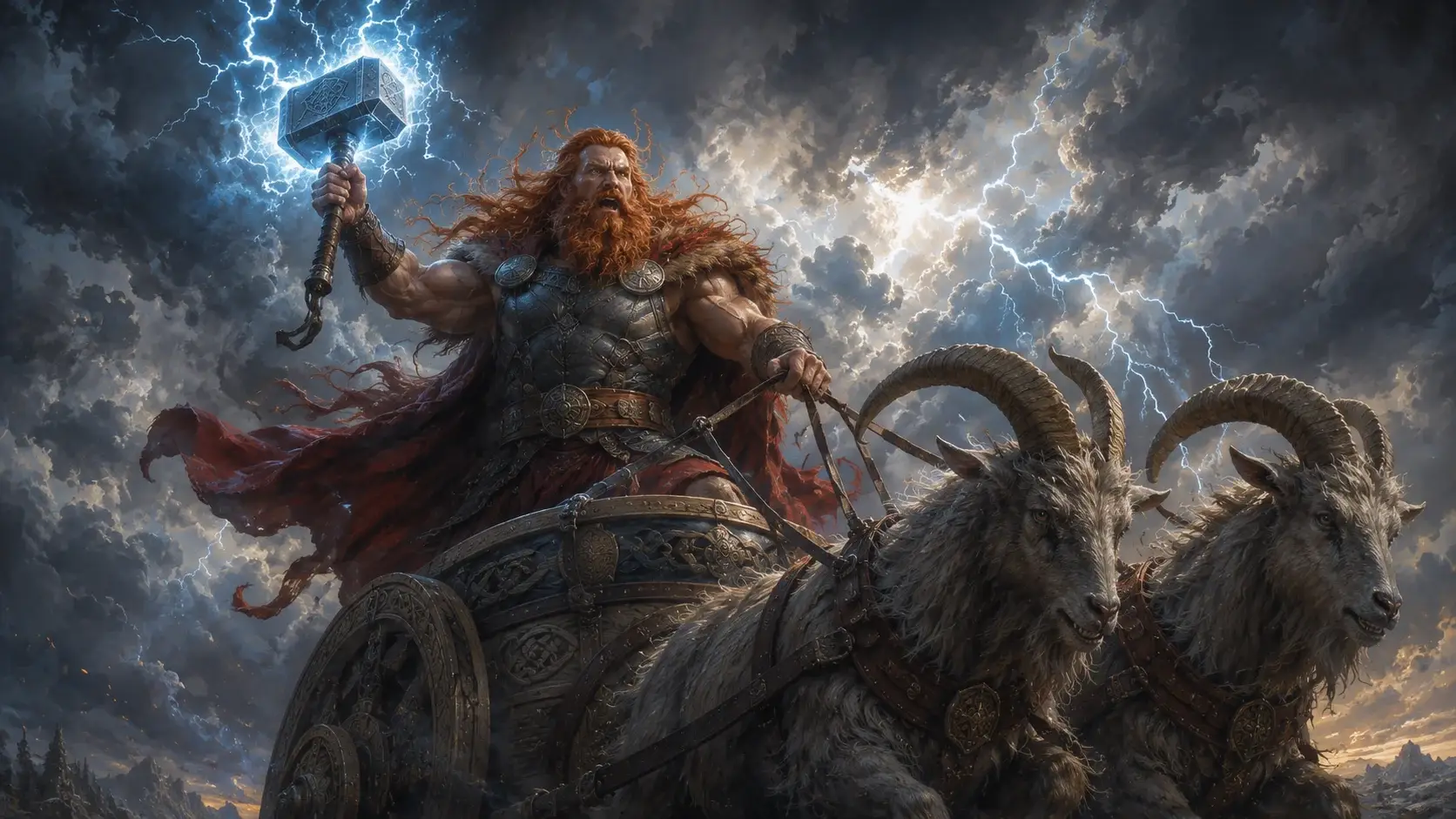
The myth of Thor — Norse thunder-god of the Aesir, wielder of Mjölnir, defender of gods and mankind, fated to slay the World Serpent at Ragnarök.
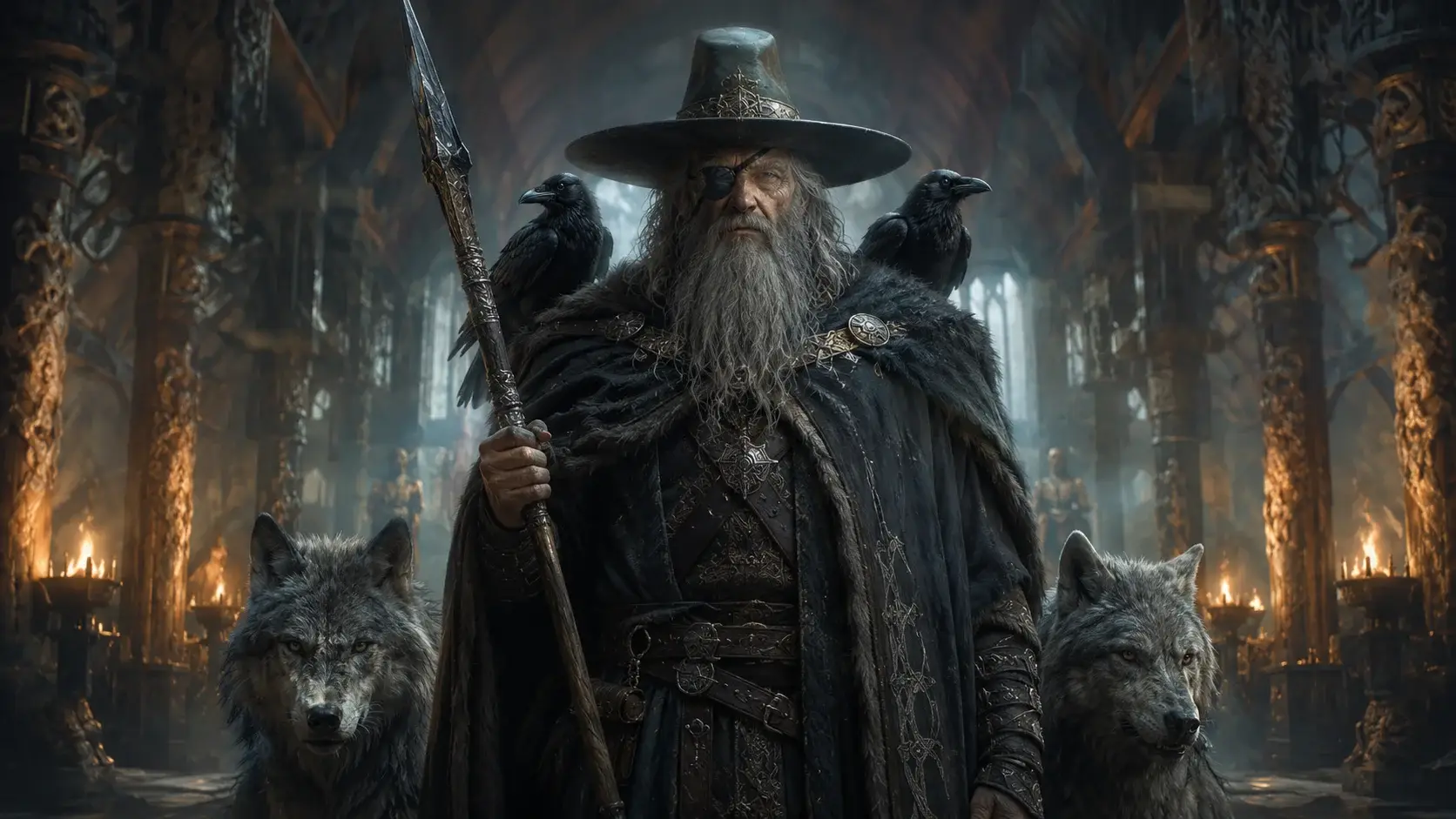
The myth of Odin — one-eyed All-Father of the Norse gods, god of war and wisdom, who sacrificed his eye for knowledge and gathers the slain in Valhalla.
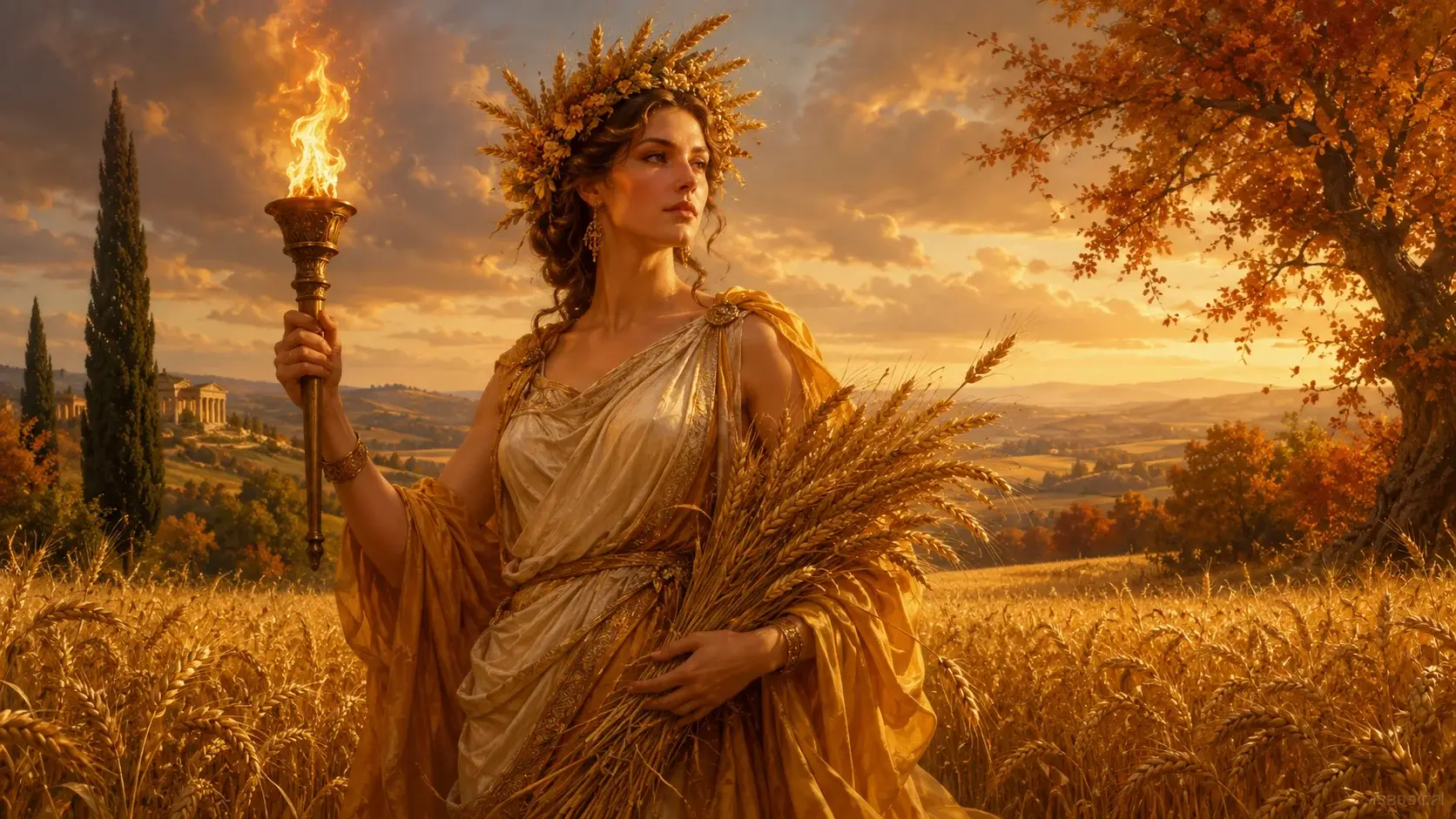
The myth of Demeter — goddess of the harvest, the abduction of her daughter Persephone, the origin of the seasons, and the secret Eleusinian Mysteries.
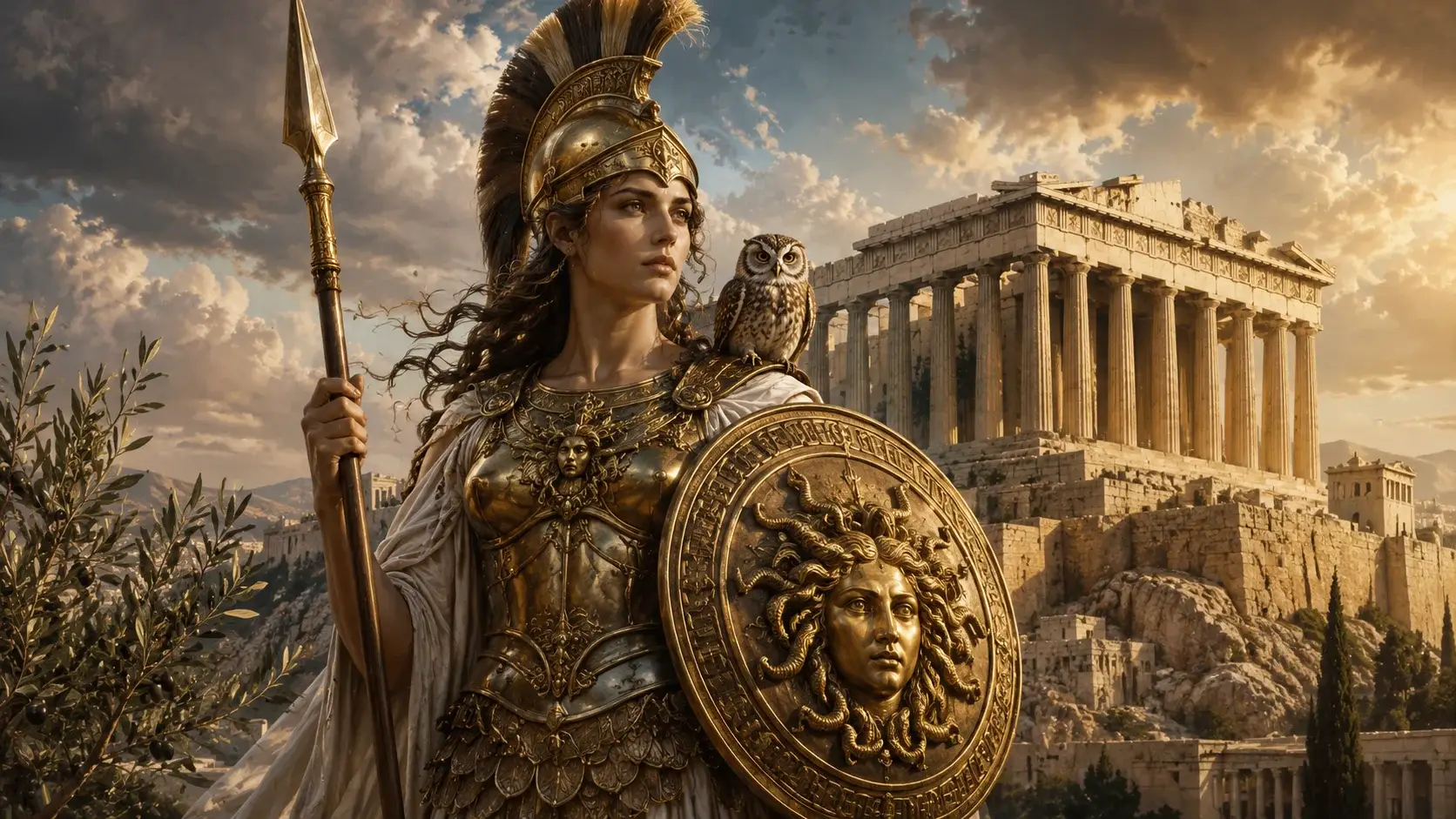
The myth of Athena — her birth from the head of Zeus, goddess of wisdom and strategic war, her contest with Poseidon over Athens, and the heroes she guided.
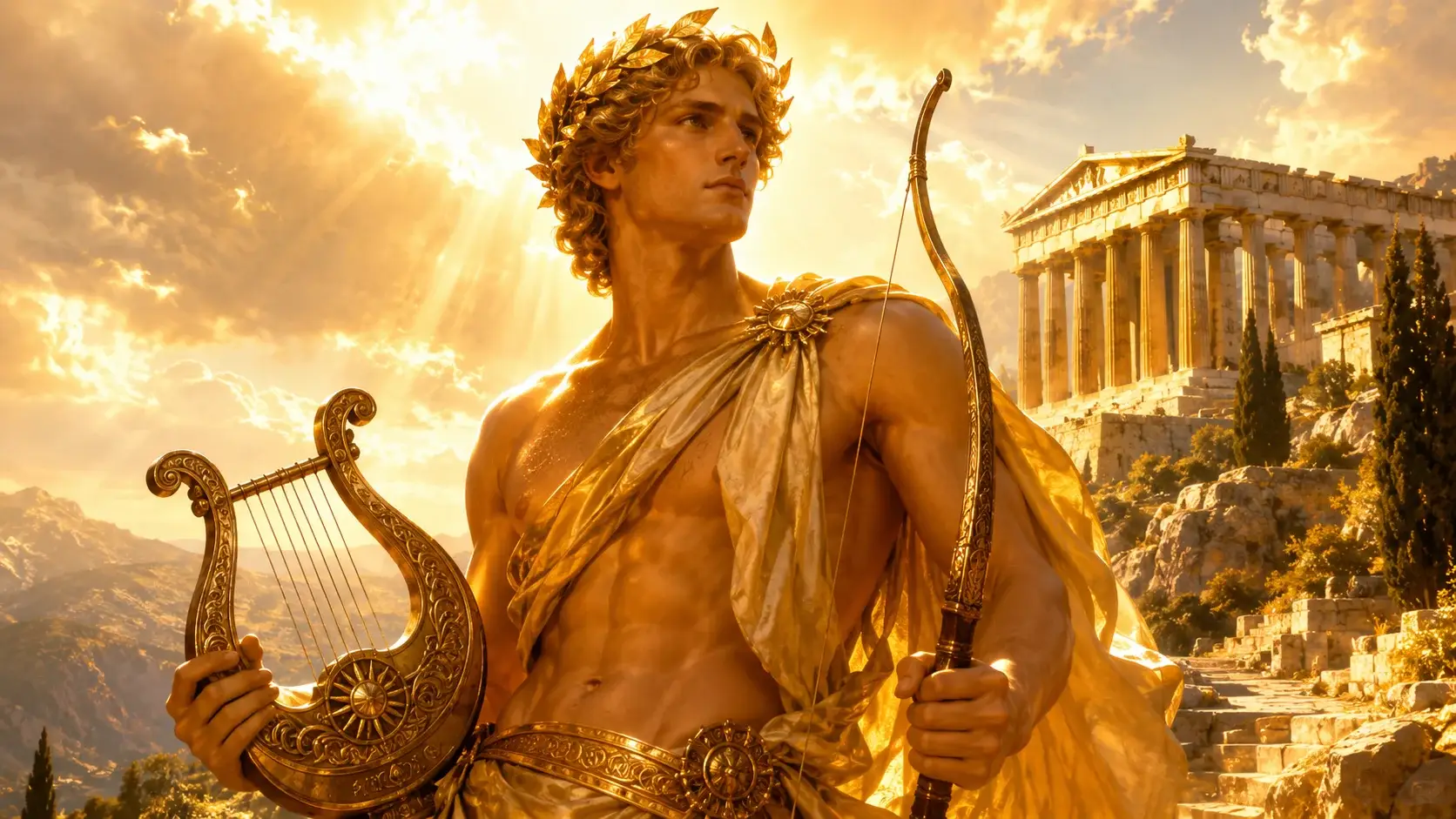
The myth of Apollo — his birth on Delos, the slaying of the Python and the Delphic oracle, god of music and prophecy, and his many tragic loves.