Every myth carries a truth older than the civilization that told it.
Showing 701–710 of 1003
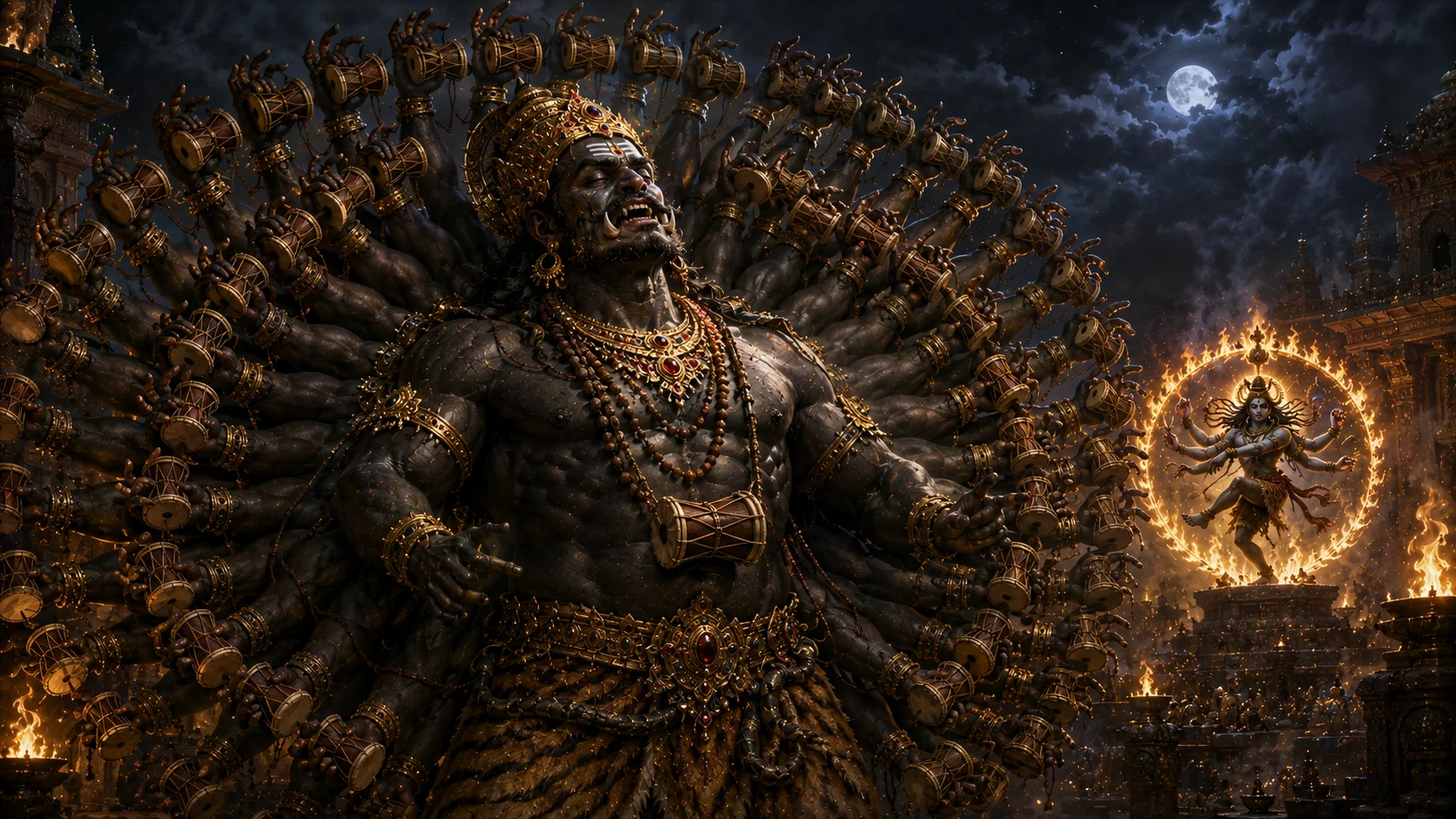
Banasura, the thousand-armed asura king and ardent devotee of Shiva, warred with Krishna over his daughter's love — and was spared when Shiva himself
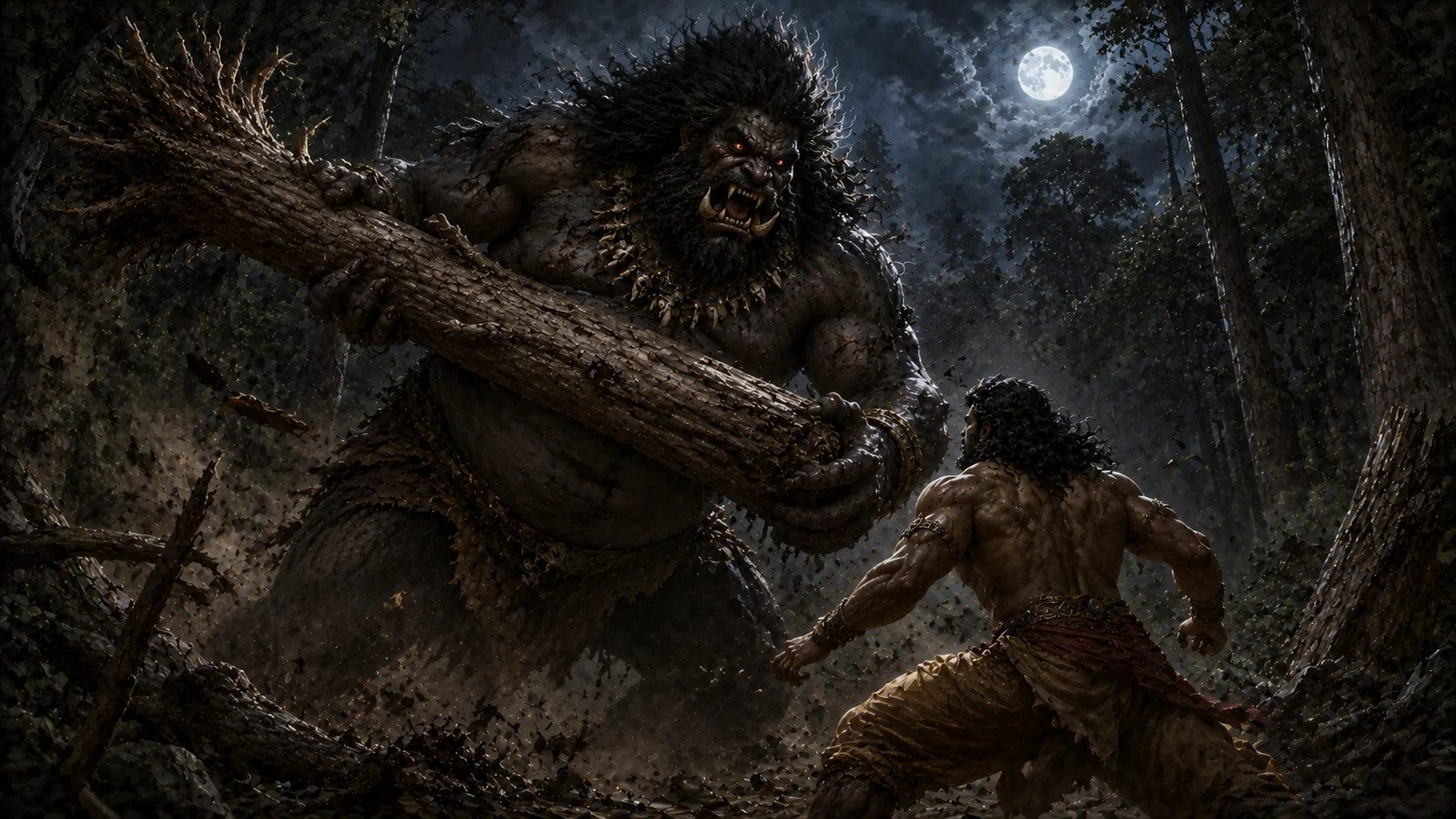
Hidimba, a man-eating rakshasa of the Mahabharata, died wrestling Bhima — and his sister's love for Bhima produced the heroic half-rakshasa giant
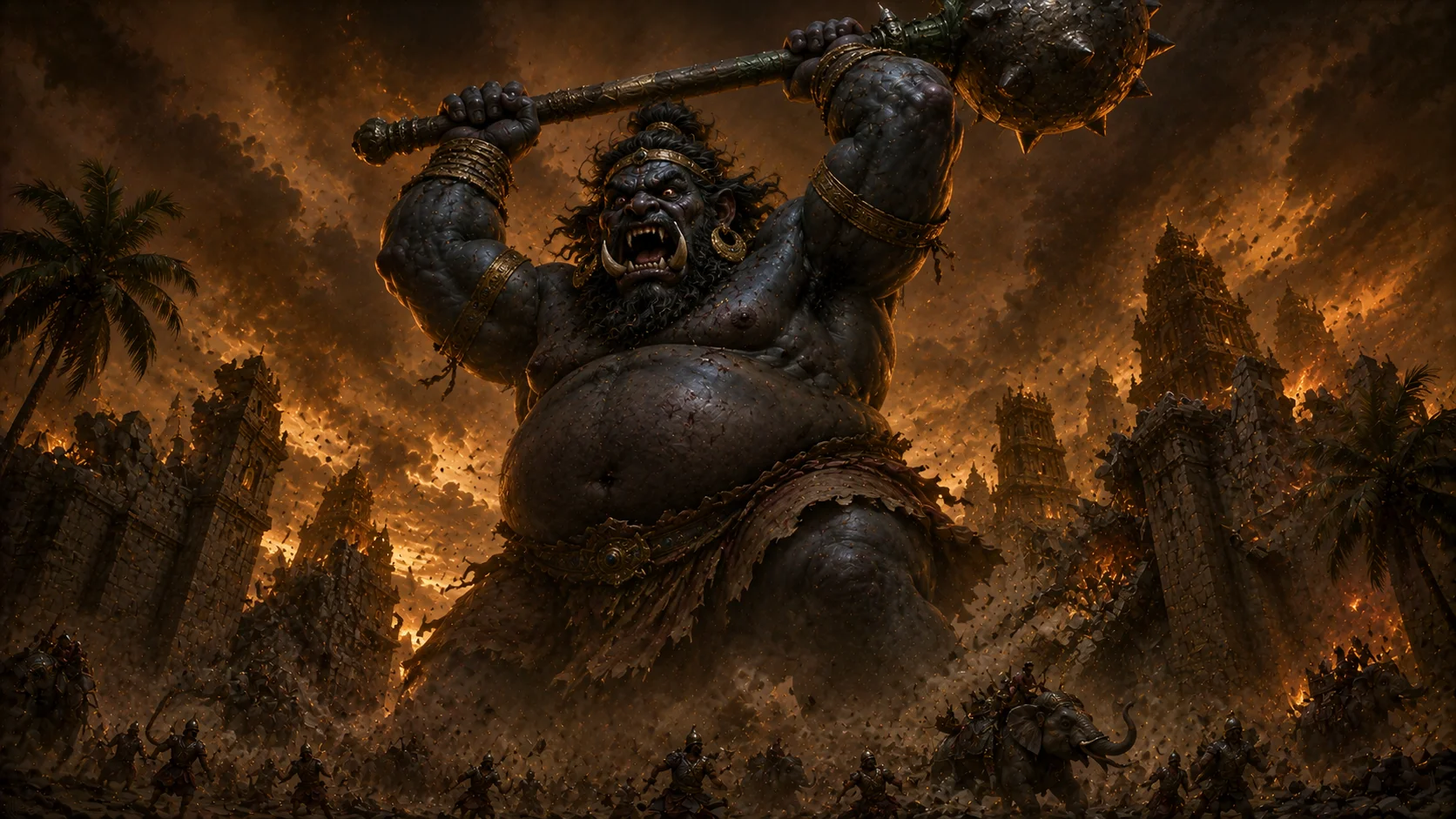
Kumbhakarna, Ravana's mountainous giant brother cursed to sleep half the year, woke to condemn his king's injustice — then fought and died for him out of
The rakshasa — Hindu shape-shifting, flesh-eating night-demons and masters of illusion. From the cannibal Hidimba to the righteous Vibhishana, a full
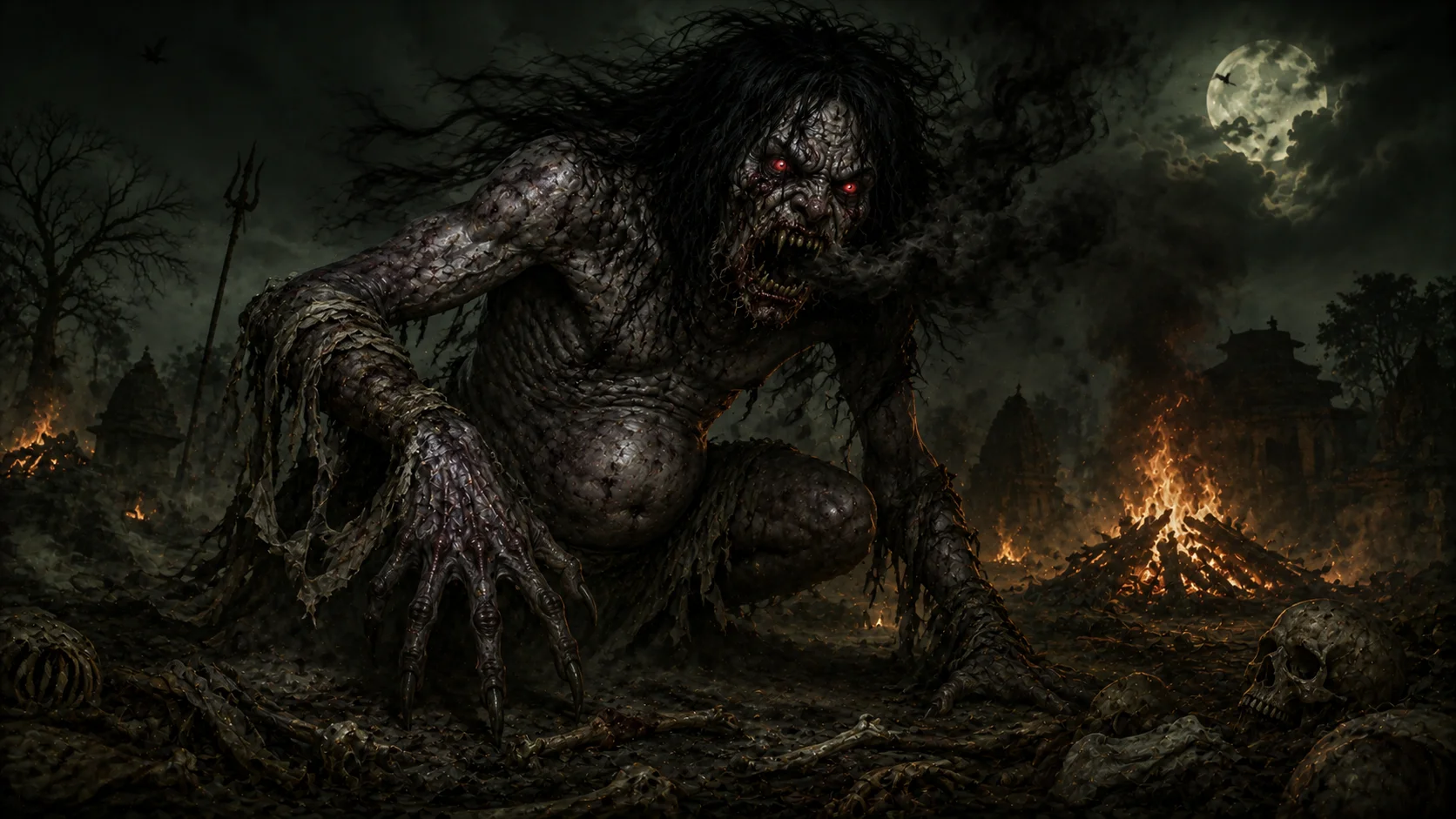
The pishacha — lowest of Hindu flesh-eating spirits, the gibbering corpse-eater of cremation grounds blamed for disease, madness, and possession.
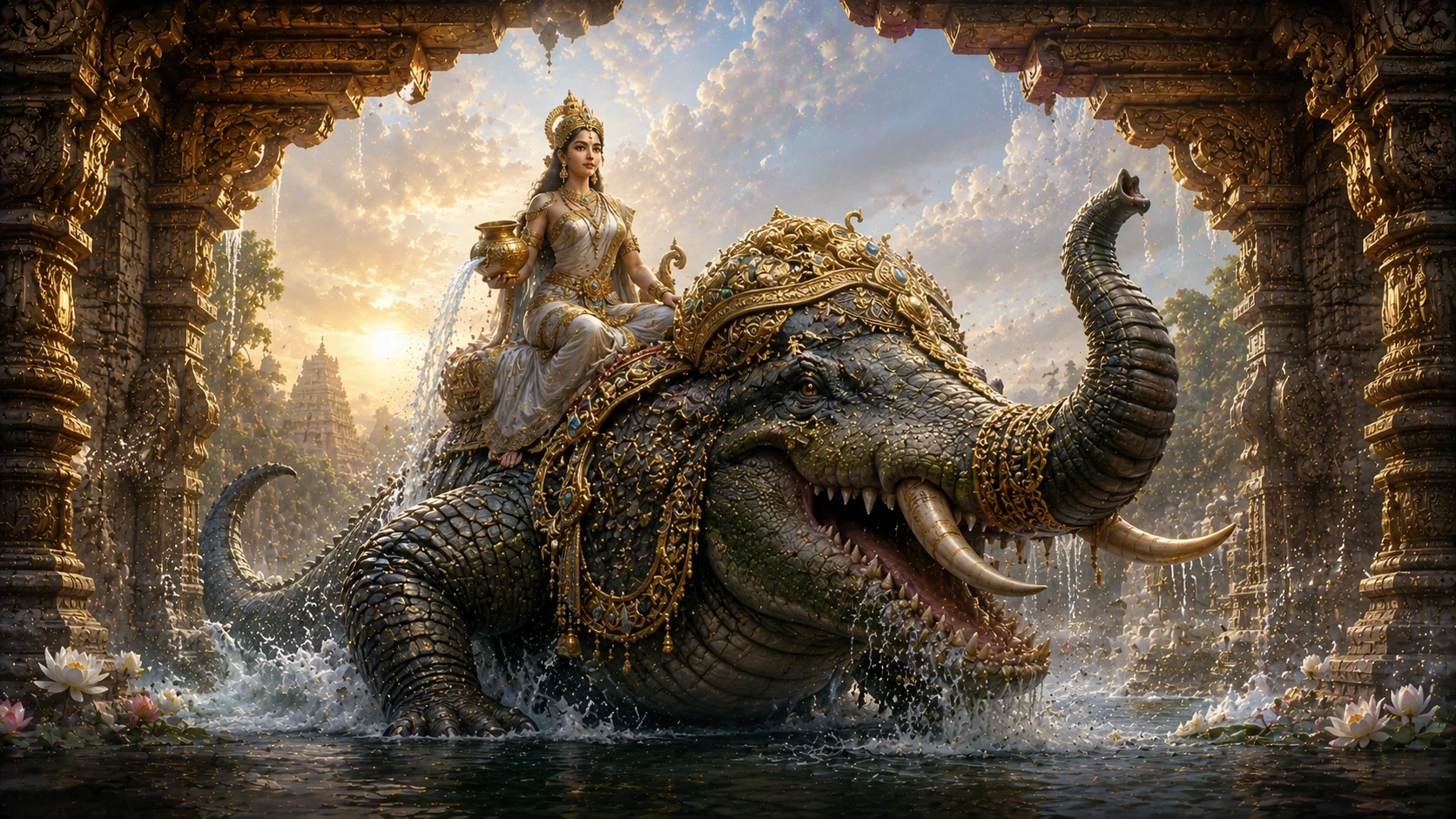
The myth of the Makara: a mythical aquatic creature of Hindu myth, a composite sea-monster combining crocodile, fish, elephant and other features, the
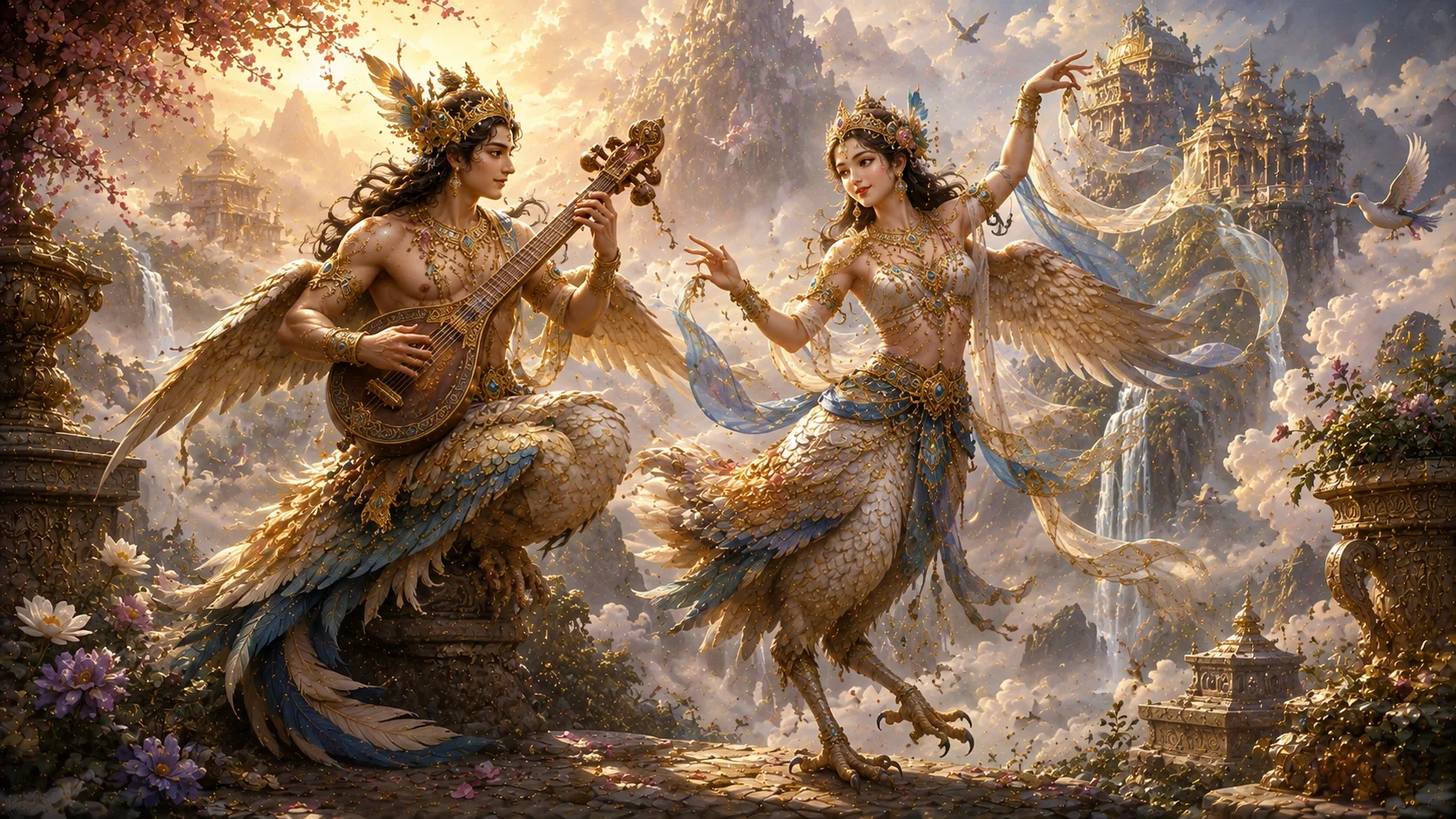
The myth of the Kinnara: the celestial musician-beings of Hindu and Buddhist myth, half-human, half-bird beings of great beauty renowned for their music,
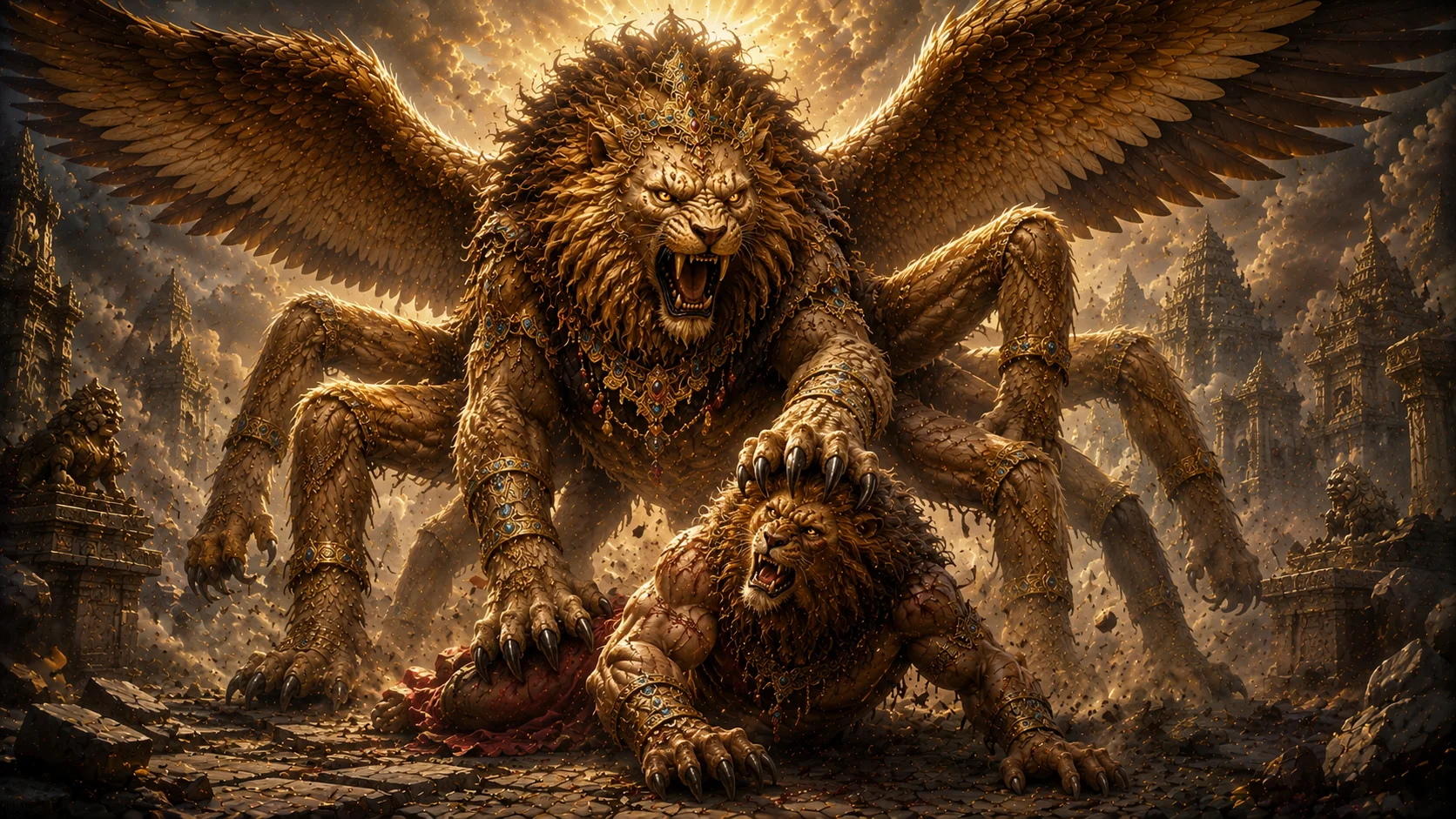
The myth of Sharabha: a powerful mythical beast of Hindu myth, a fearsome composite creature, part lion and part bird (with eight legs), the form taken by
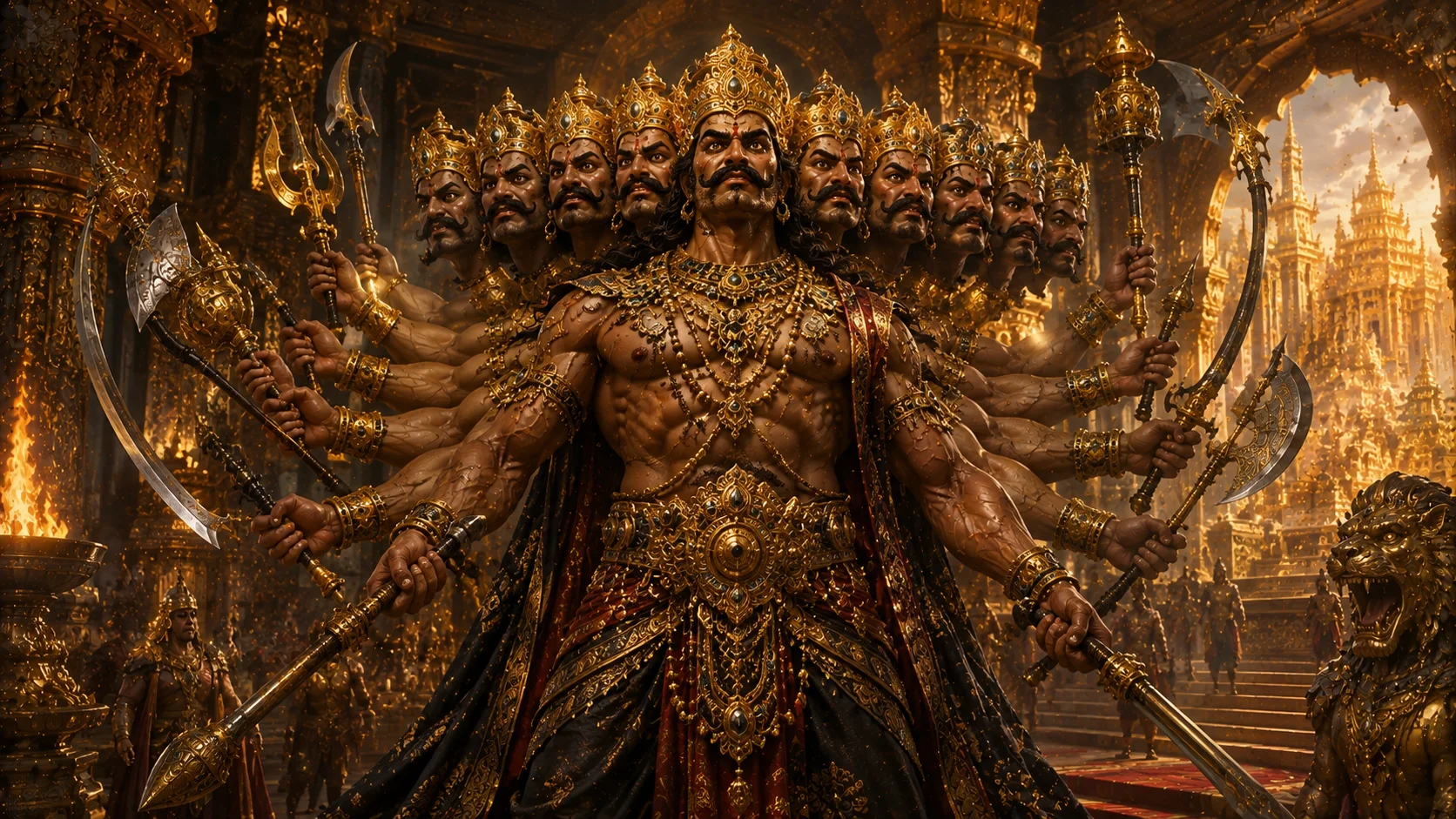
The myth of Ravana: the great demon-king of the Ramayana, the ten-headed rakshasa lord of Lanka, the immensely powerful, learned and proud antagonist
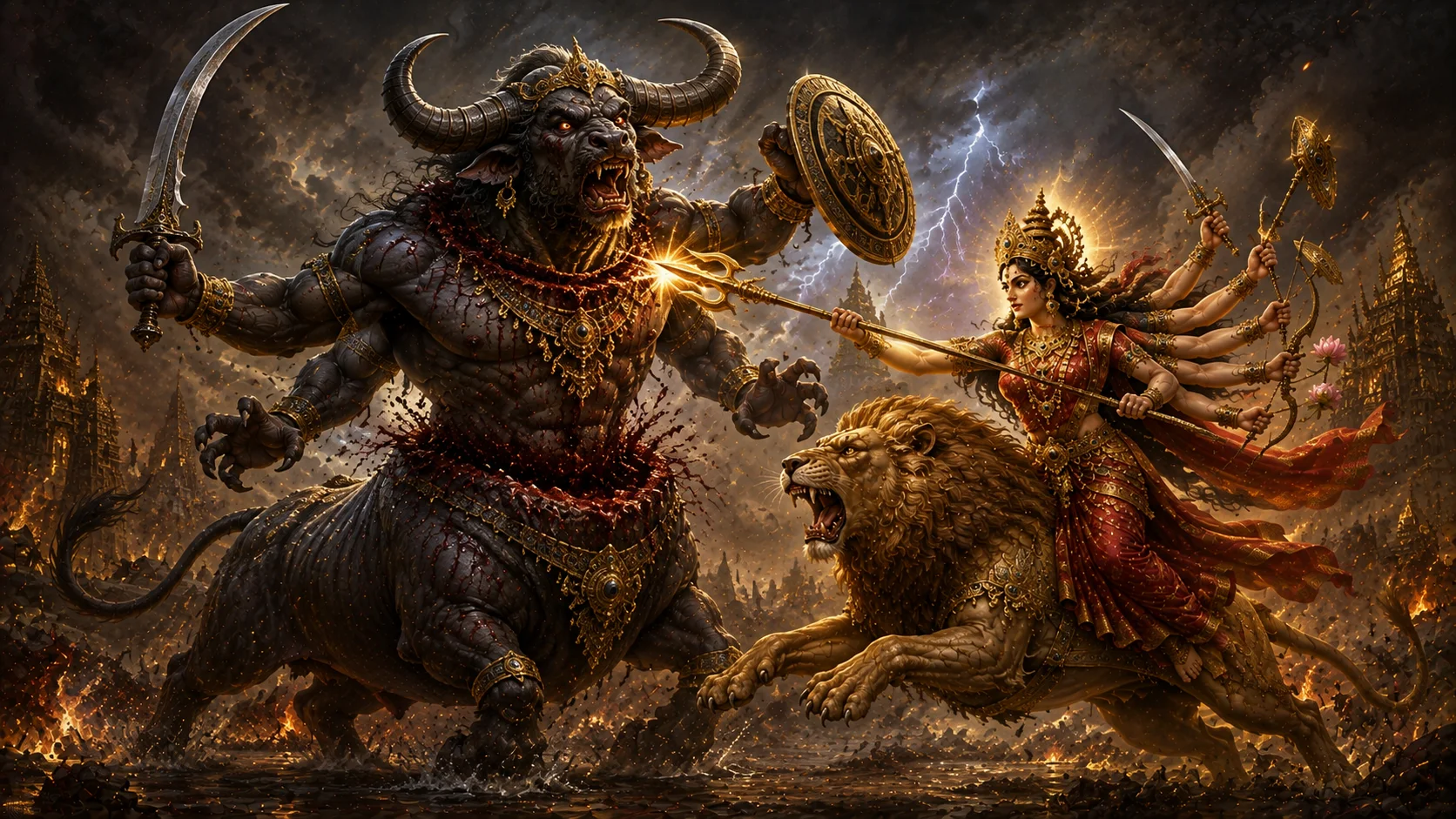
The myth of Mahishasura: the great buffalo-demon of Hindu myth, the shape-shifting asura who, made invincible against all males by a boon, conquered the