Every myth carries a truth older than the civilization that told it.
Showing 481–490 of 740
The myth of the Centaur: the half-man, half-horse beings of Greece embodying the war between reason and wild instinct, from the savage Centauromachy to
The myth of the Sirens: the bird-women whose irresistible song lured sailors to their deaths, survived by Odysseus lashed to his mast and out-sung by
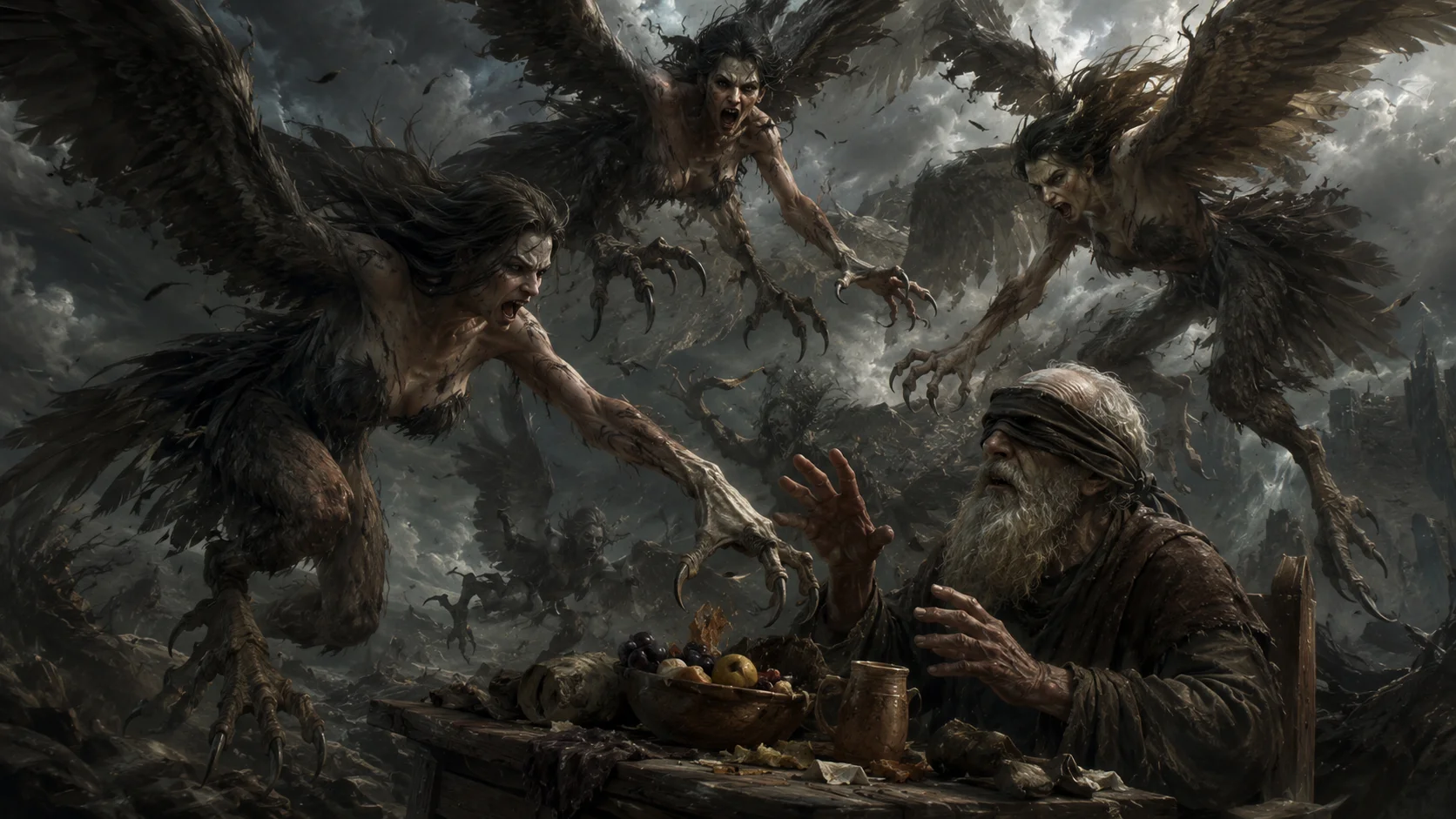
The myth of the Harpies: the foul bird-bodied, woman-faced "snatchers" born of storm winds who seized food and souls, famous for tormenting the prophet
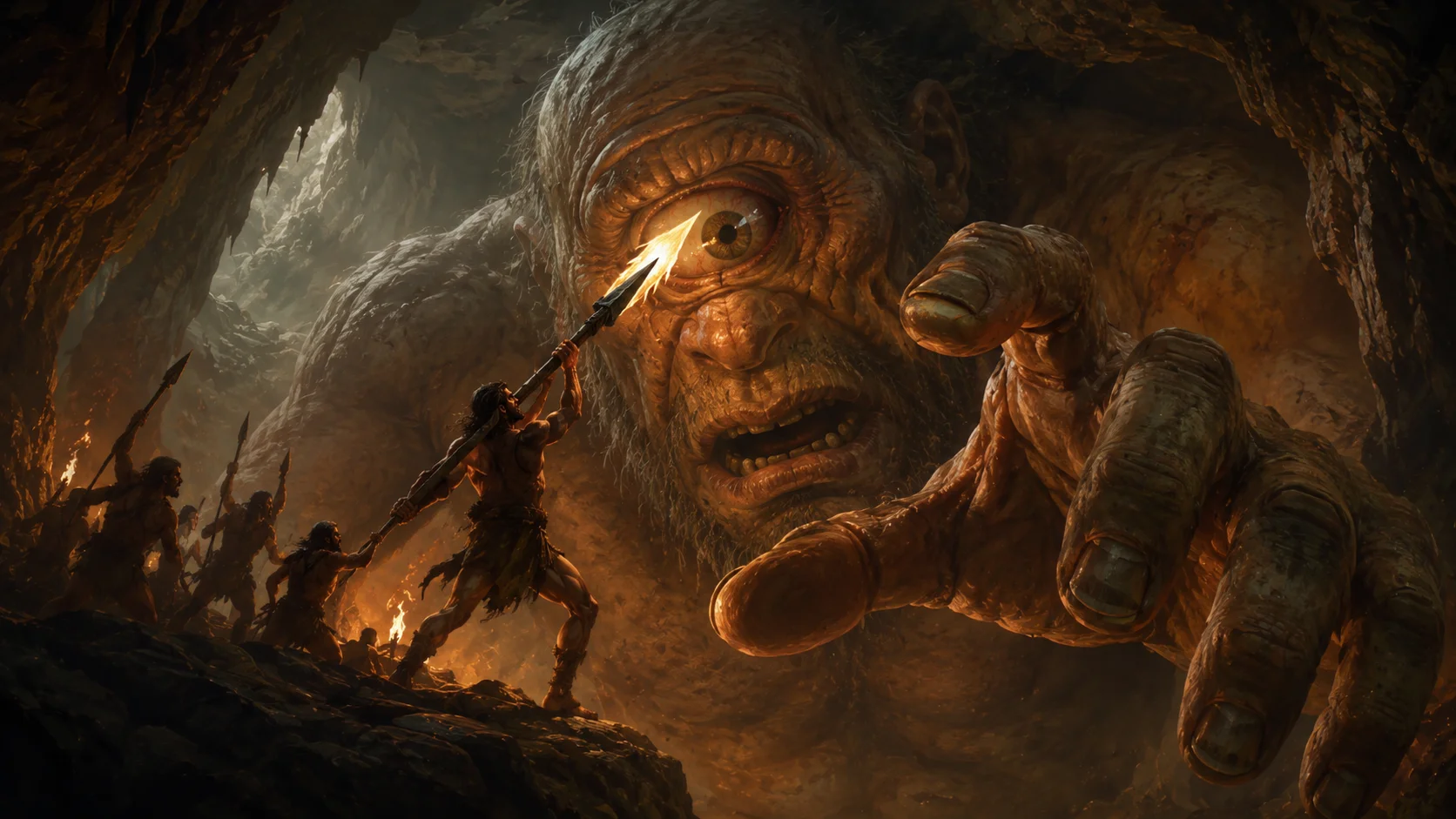
The myth of Polyphemus: the one-eyed Cyclops son of Poseidon who trapped and ate Odysseus's men, until the hero called himself "Nobody," blinded him, and
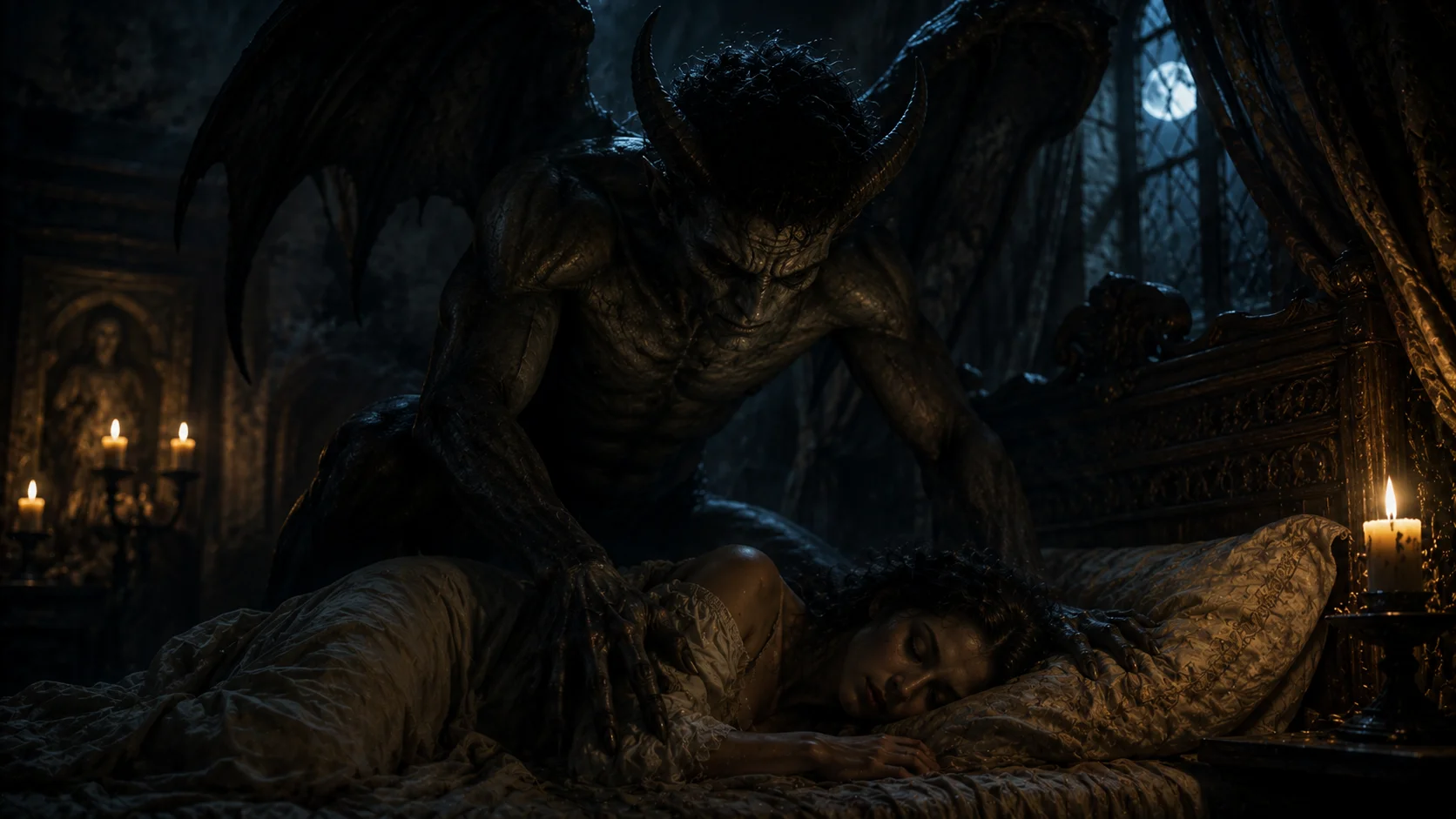
The Incubus, the male sex-demon of medieval European demonology — a fiend that comes to women in the night, lying upon and pressing the sleeper, draining
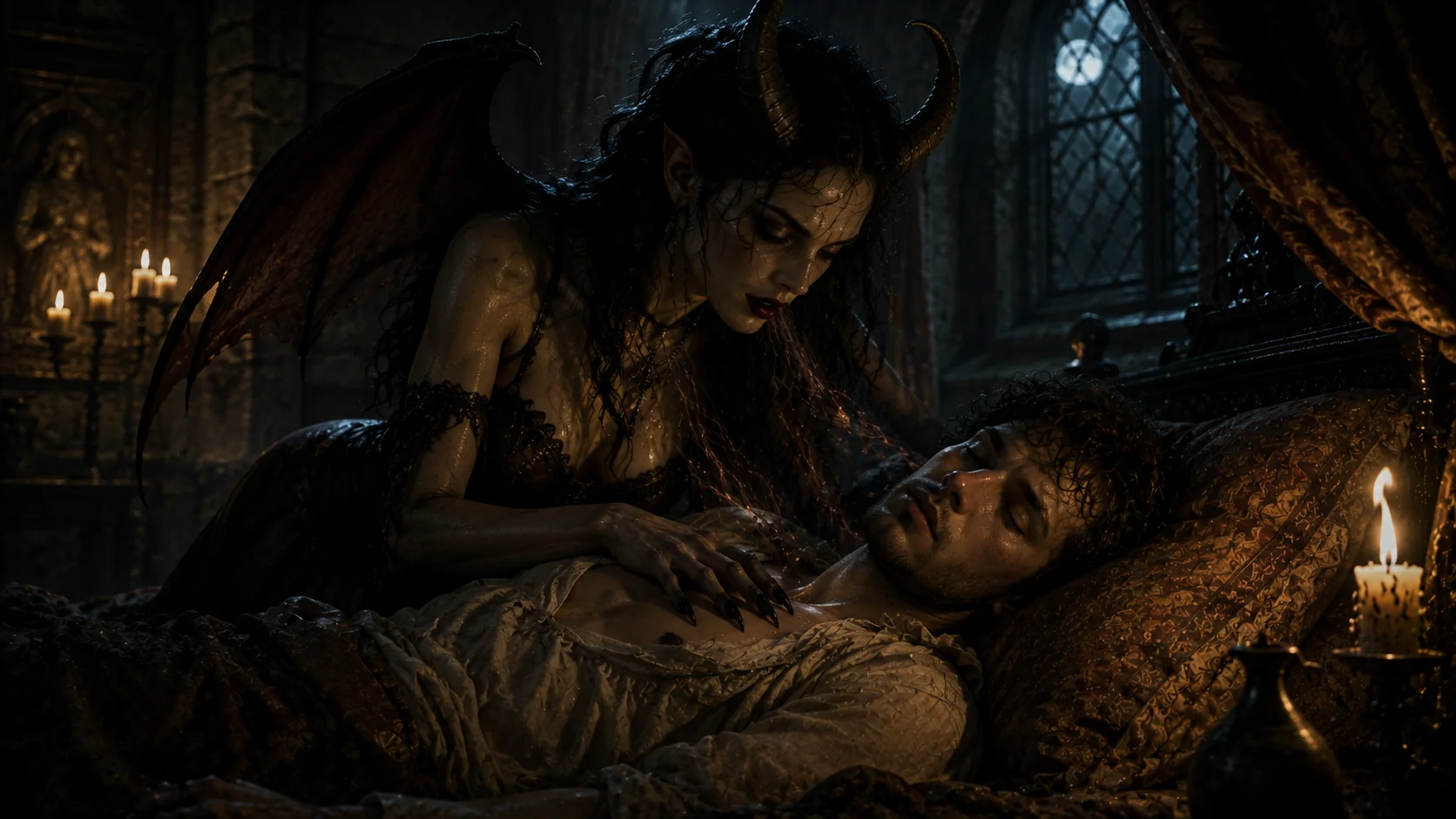
The Succubus, the female sex-demon of medieval European demonology — a fiend in the form of a beautiful woman that seduces men in their dreams and drains
The Mermaid, the fish-tailed sea-maiden of European legend — a beautiful woman above the waist and a fish below who sings with bewitching voice, an omen
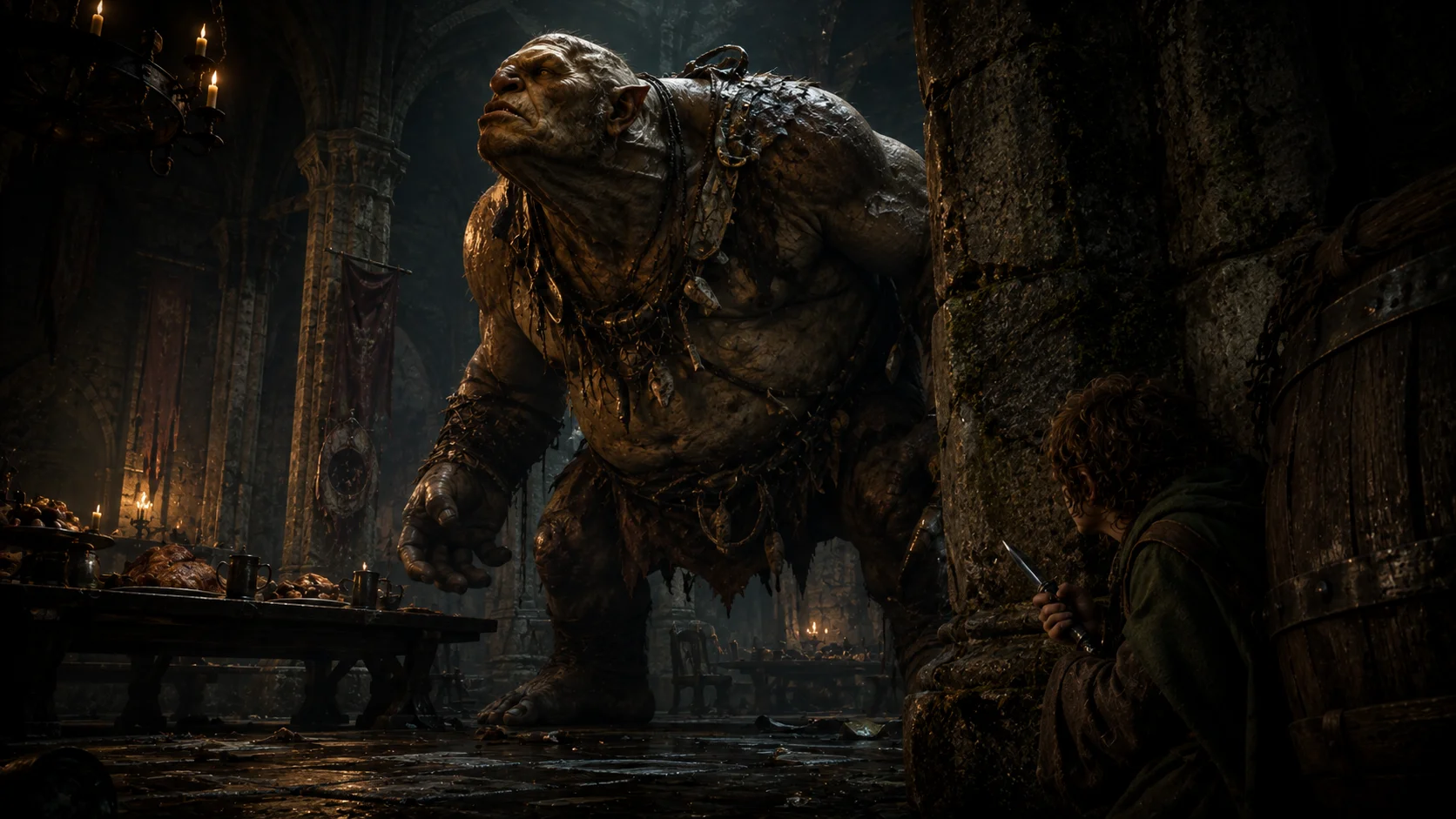
The Ogre, the man-eating giant of European fairy tale and folklore — a huge, brutish, ugly humanoid that dwells in castles and caves, preys on people and
The Salamander, the fire-dwelling elemental creature of classical and medieval European legend — a lizard-like being so cold it can live in and extinguish
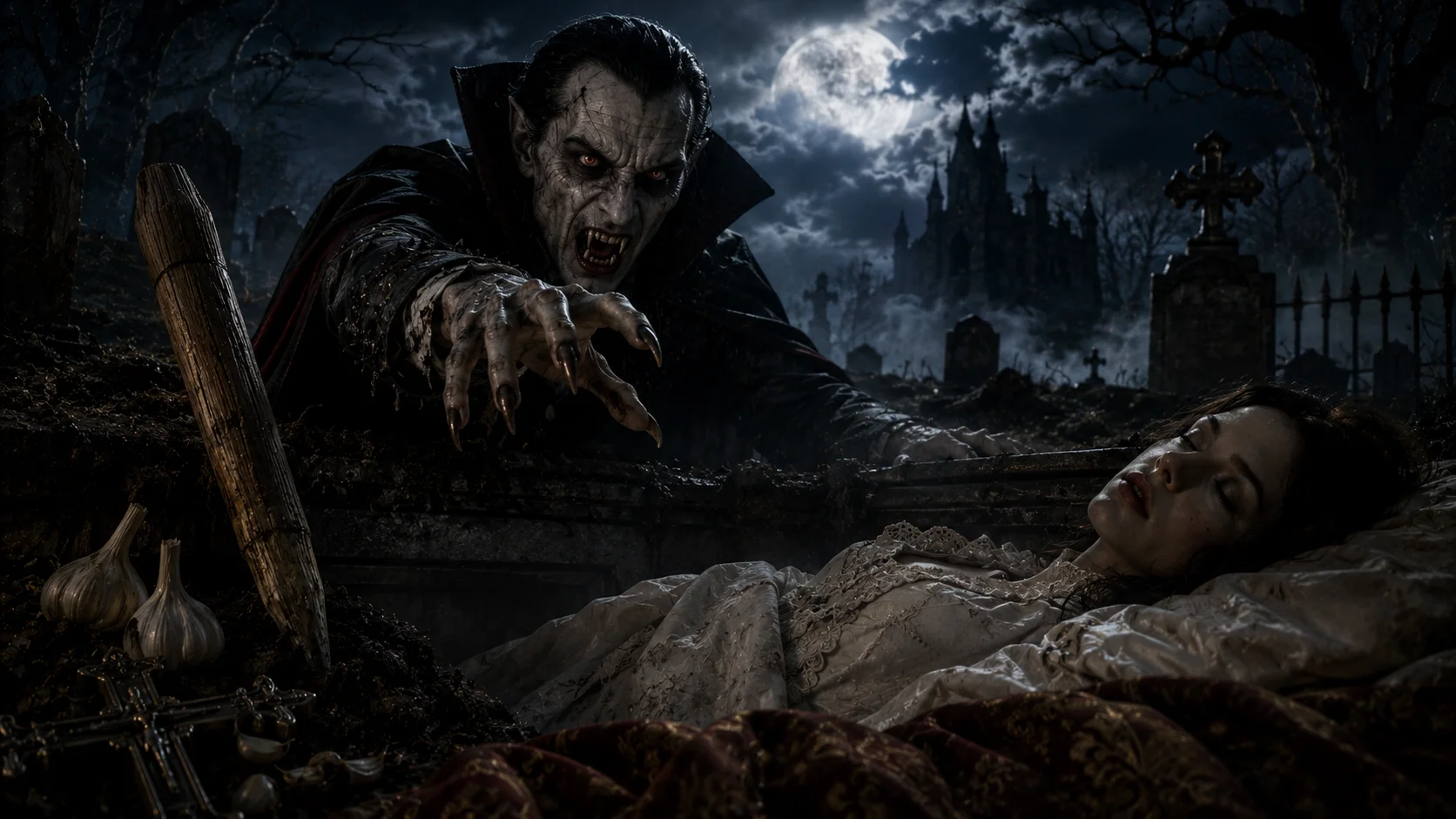
The Vampire, the blood-drinking undead of European legend — a corpse that rises from the grave by night to feed on the blood of the living, spreading