Every myth carries a truth older than the civilization that told it.
Showing 421–430 of 746
Iravan — son of Arjuna and a serpent-princess, who offered his head for Pandava victory and was wed for one night to Krishna as Mohini. Worshipped as the
Barbarika — grandson of Bhima with three infallible arrows that could end the Mahabharata in a minute. He gave his head to Krishna and watched the war as
The apsaras — supernally beautiful celestial dancers of Hindu myth, born from the churning ocean, partners of the gandharvas and Indra's irresistible
The gandharvas — celestial musicians of the gods' court, guardians of soma and secret lore, consorts of the apsaras, namesakes of the love-marriage and of
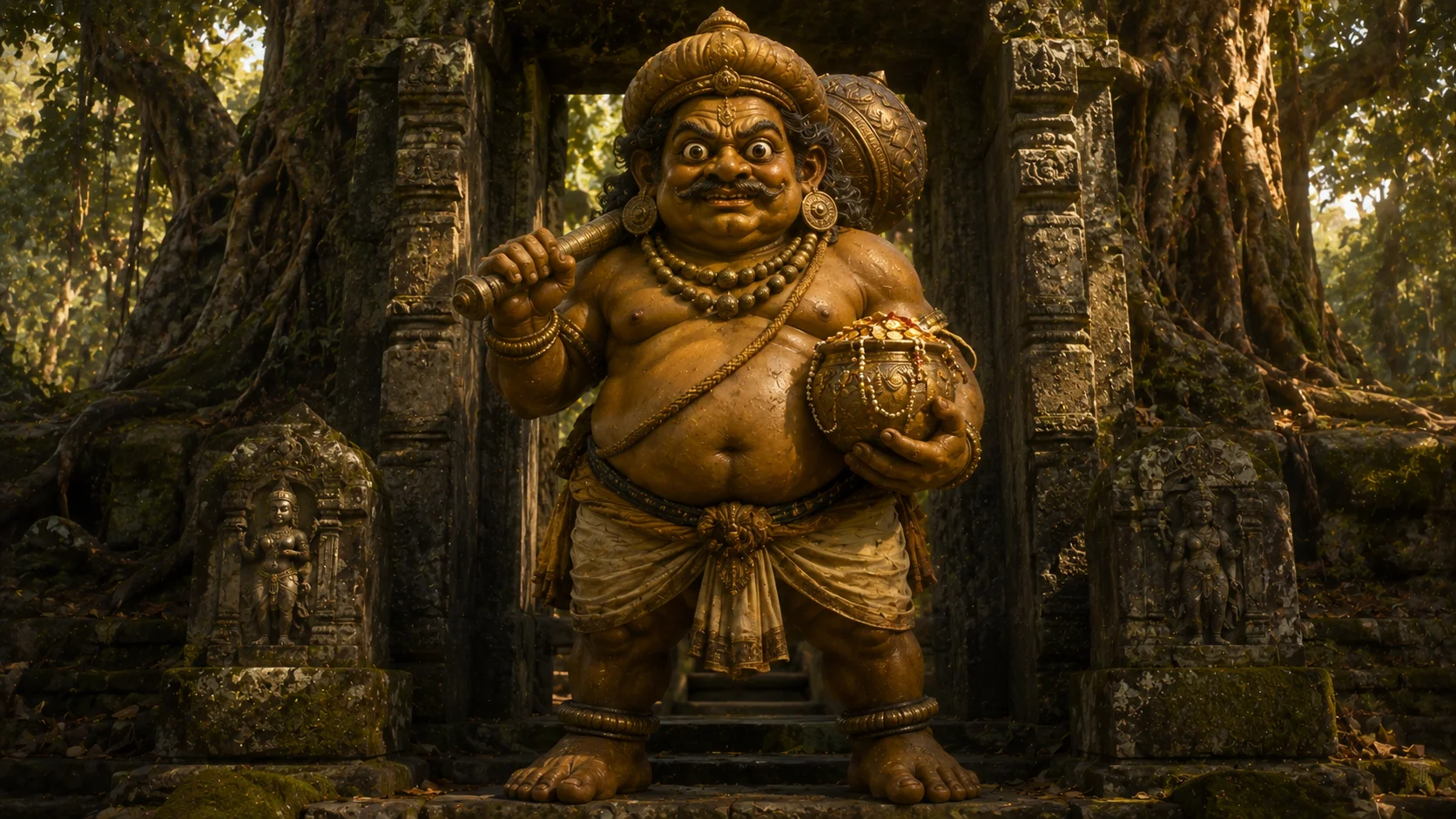
The yaksha — Hindu nature-spirits and treasure-guardians serving Kubera, custodians of forests and hidden wealth, double-natured as gentle tree-genii and
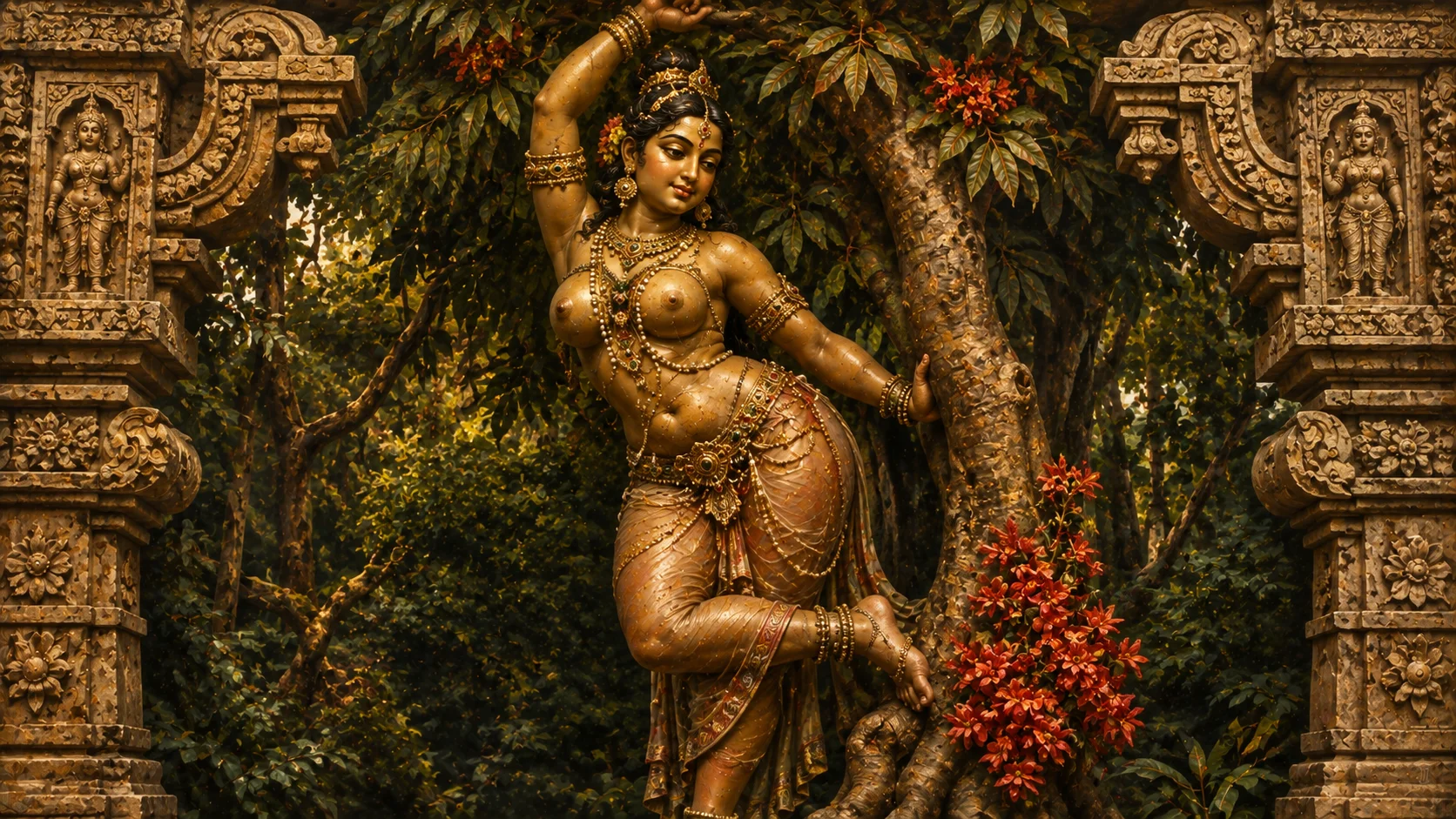
The yakshini — female yaksha and tree-goddess of Hindu, Buddhist, and Jain myth, both a benevolent fertility-spirit (the blossoming shalabhanjika) and a
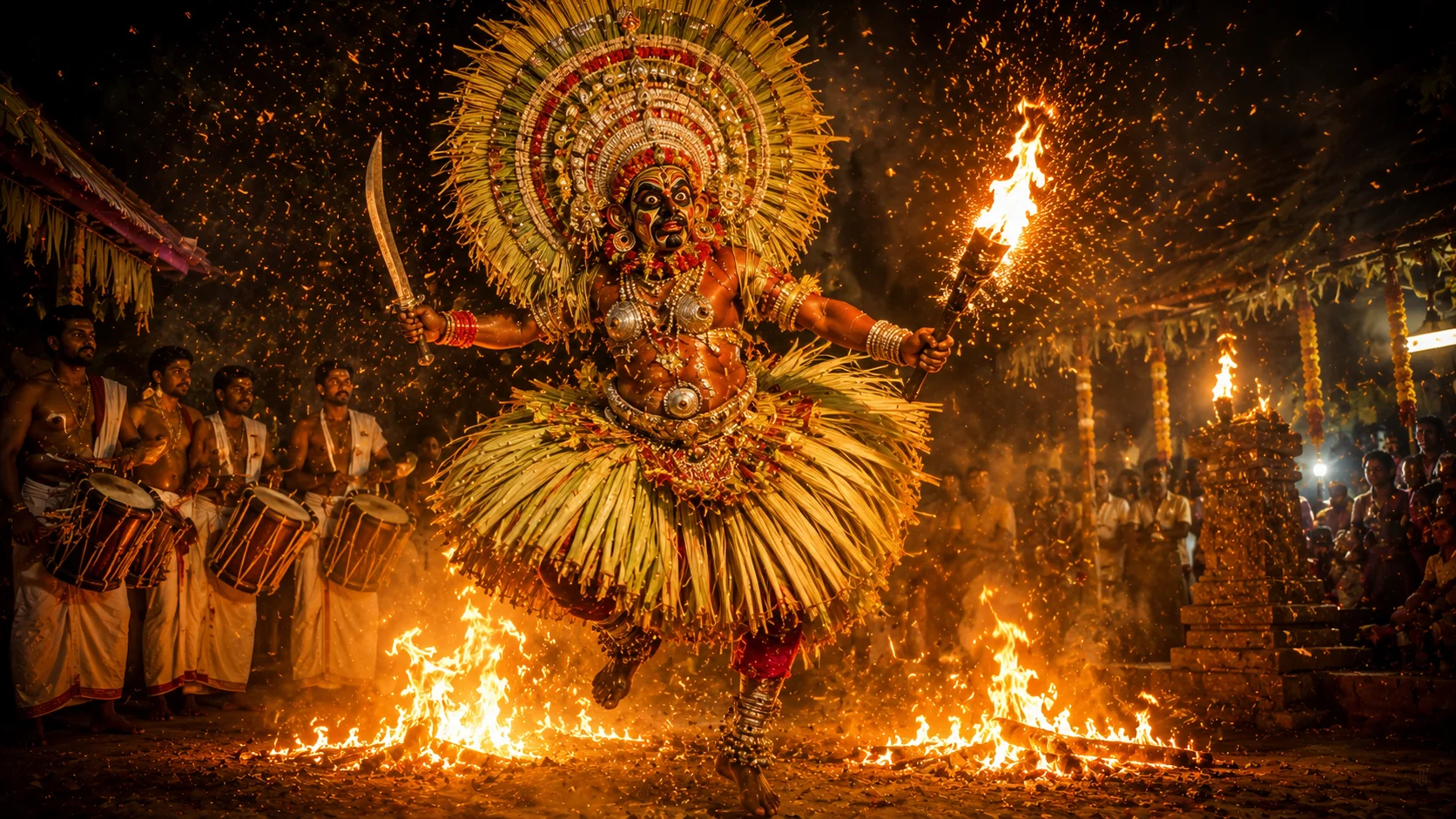
The bhuta — the Hindu ghost of one who died a bad death and cannot pass on, feared for possession and illness yet worshipped as a guardian-deity in the
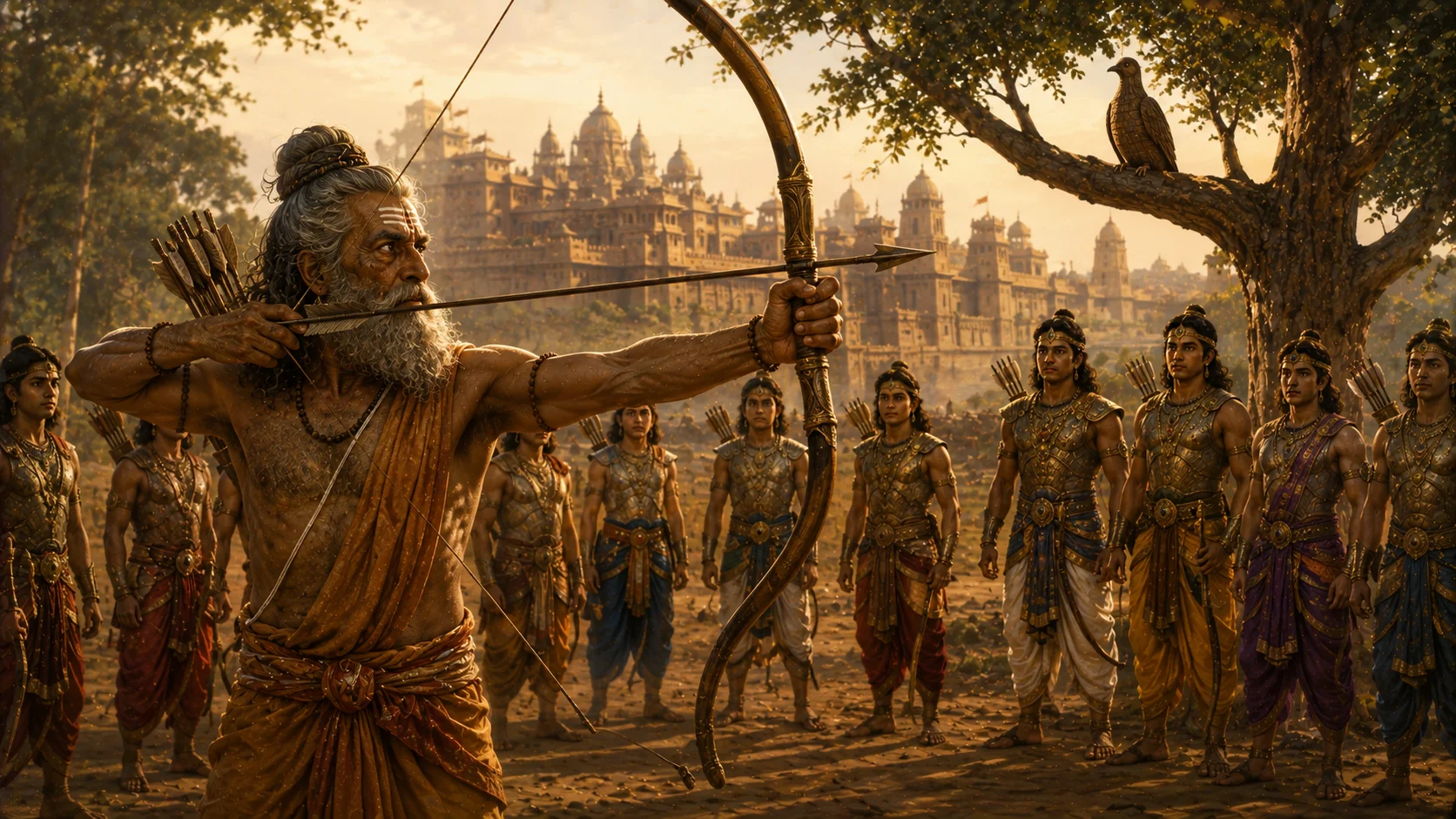
Dronacharya — the brahmin master of arms who trained both Pandavas and Kauravas, the peerless archer-teacher and Kaurava general felled by a half-truth
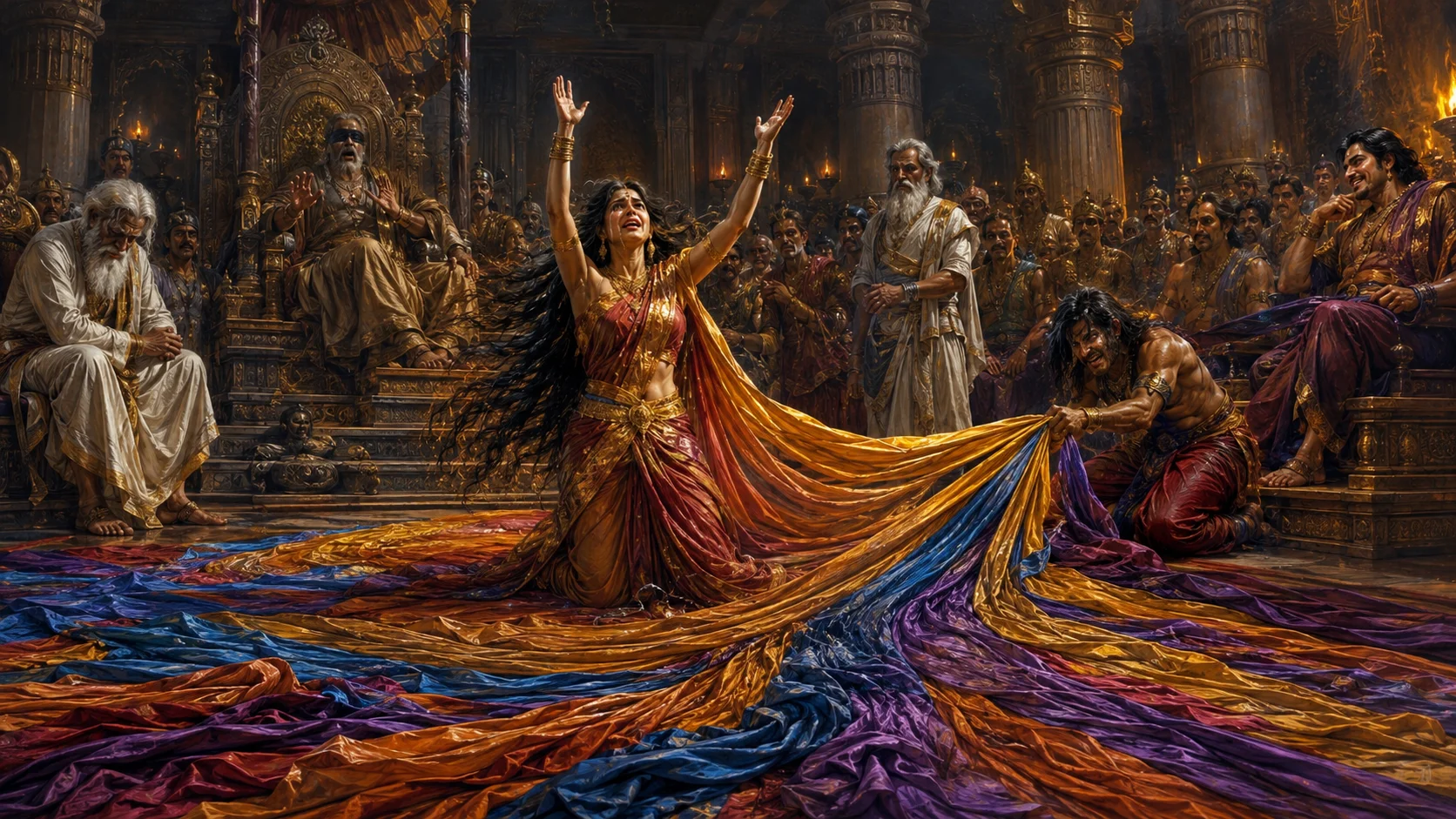
Draupadi — the fire-born queen and wife of the five Pandavas whose humiliation in the dice-hall and the miracle of the endless sari ignite the Kurukshetra
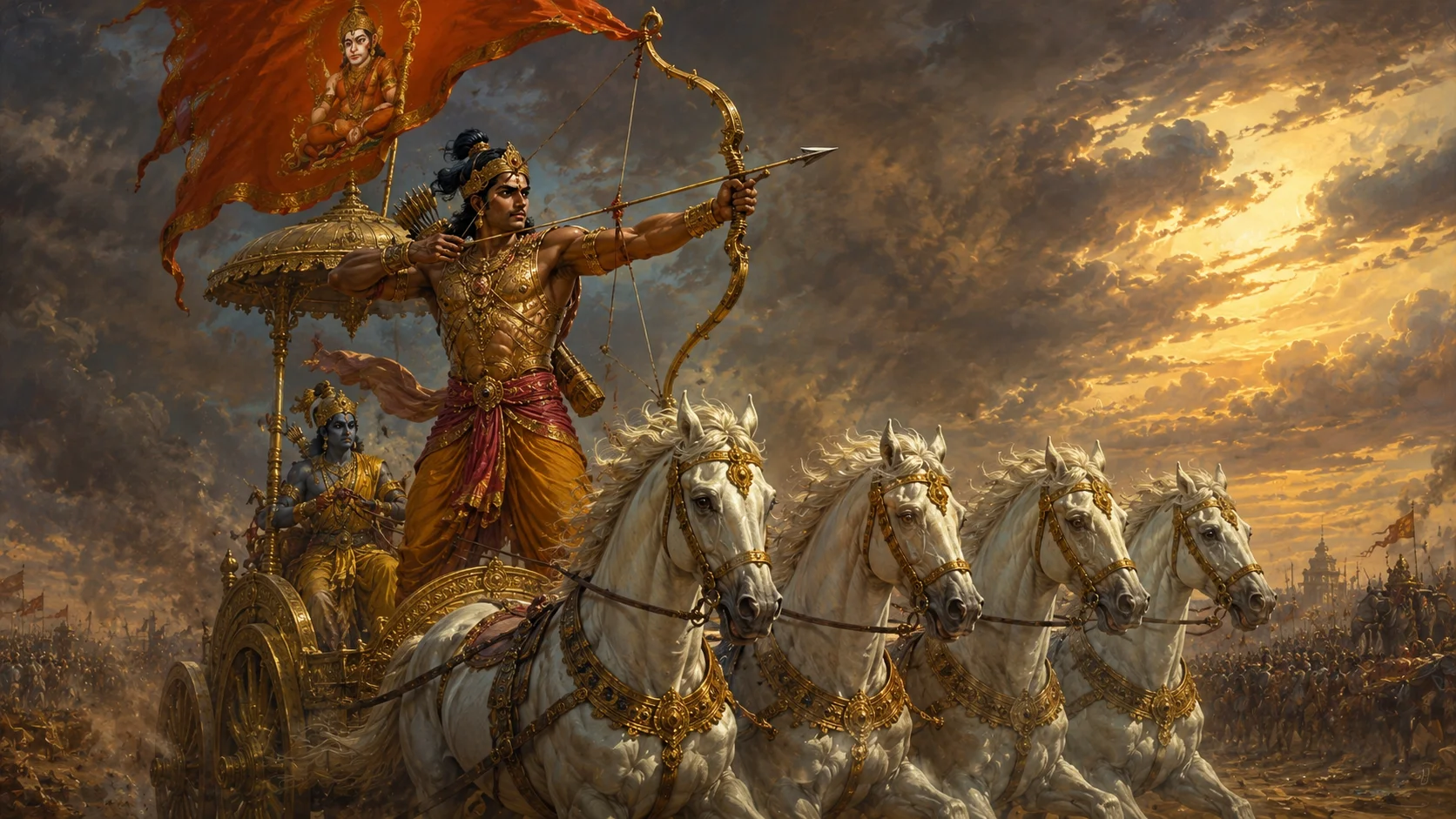
Arjuna — the peerless archer-hero of the Mahabharata, son of Indra, wielder of the bow Gandiva, slayer of Karna, and the warrior to whom Krishna sang the