Every myth carries a truth older than the civilization that told it.
Showing 251–260 of 999
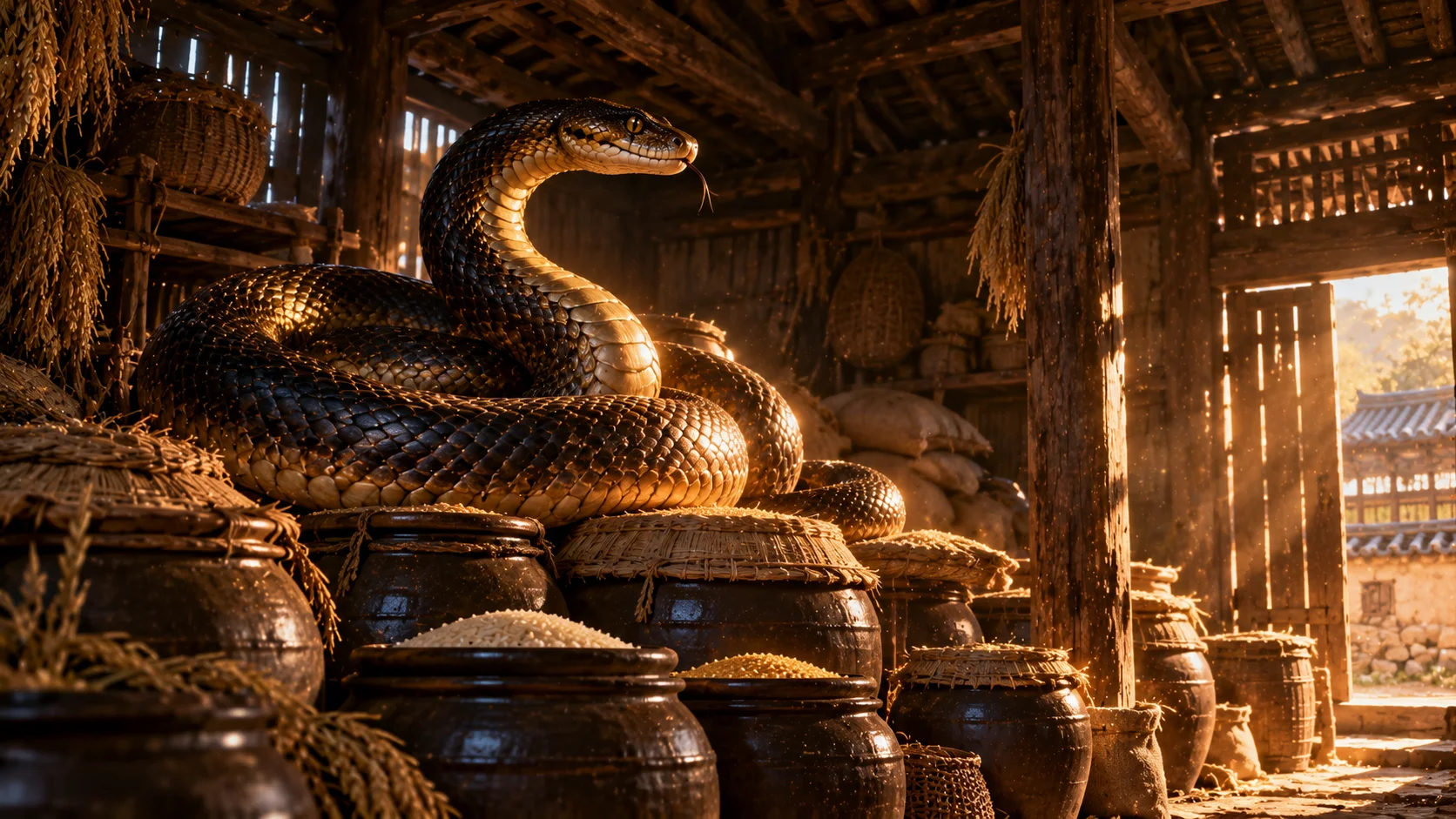
Eobshin, the Korean household wealth-spirit — the fortune-guarding deity of the storehouse, often a revered house-snake, who keeps a family prosperous
Jacheongbi, the Korean goddess of agriculture — the clever heroine of Jeju’s Segyeong Bonpuri who followed her love to heaven, endured deadly trials, and
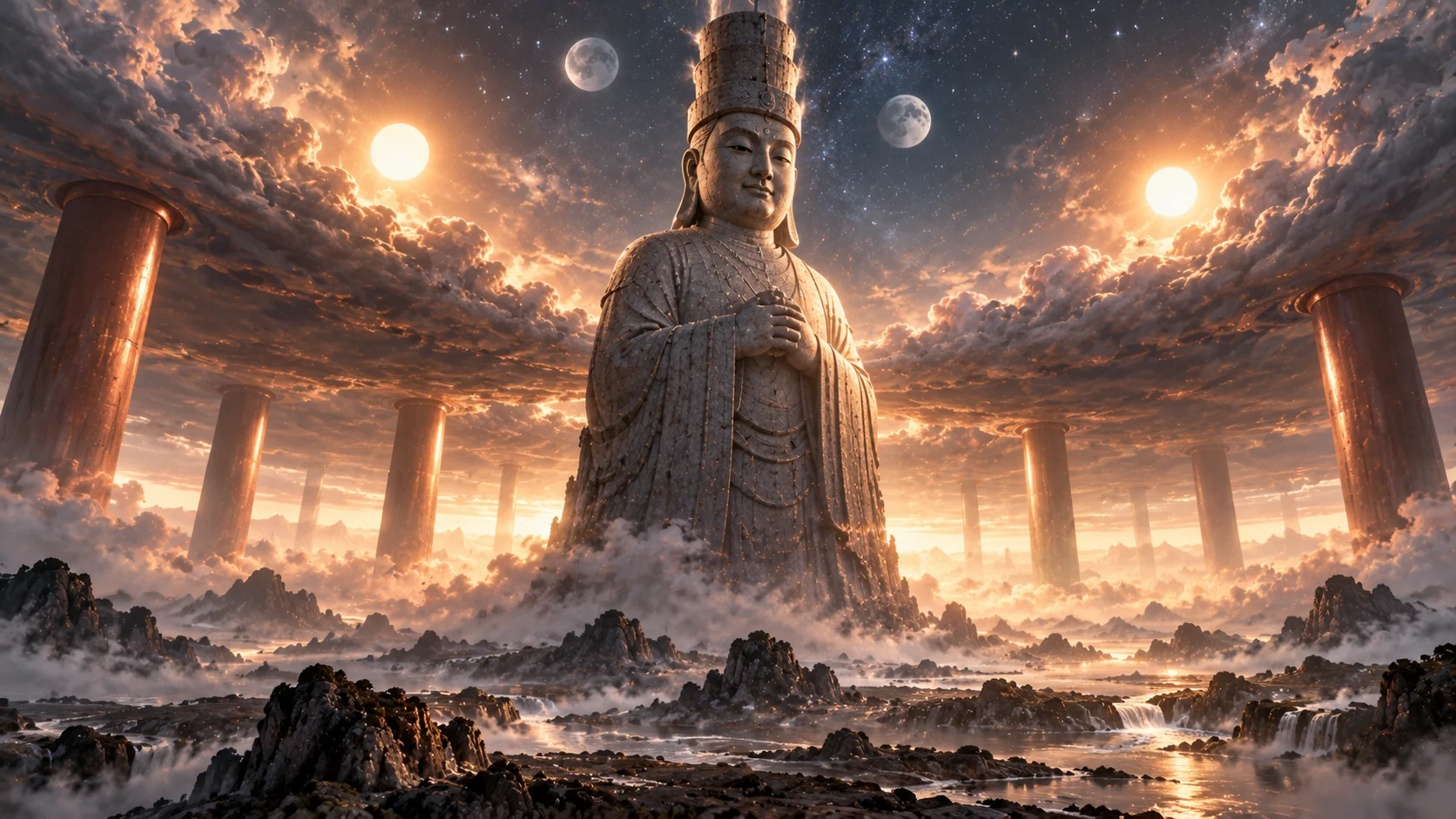
Mireuk, the Korean Maitreya — primordial creator of the shamanic Changse-ga who parted heaven and earth and made humankind, lost the world to the
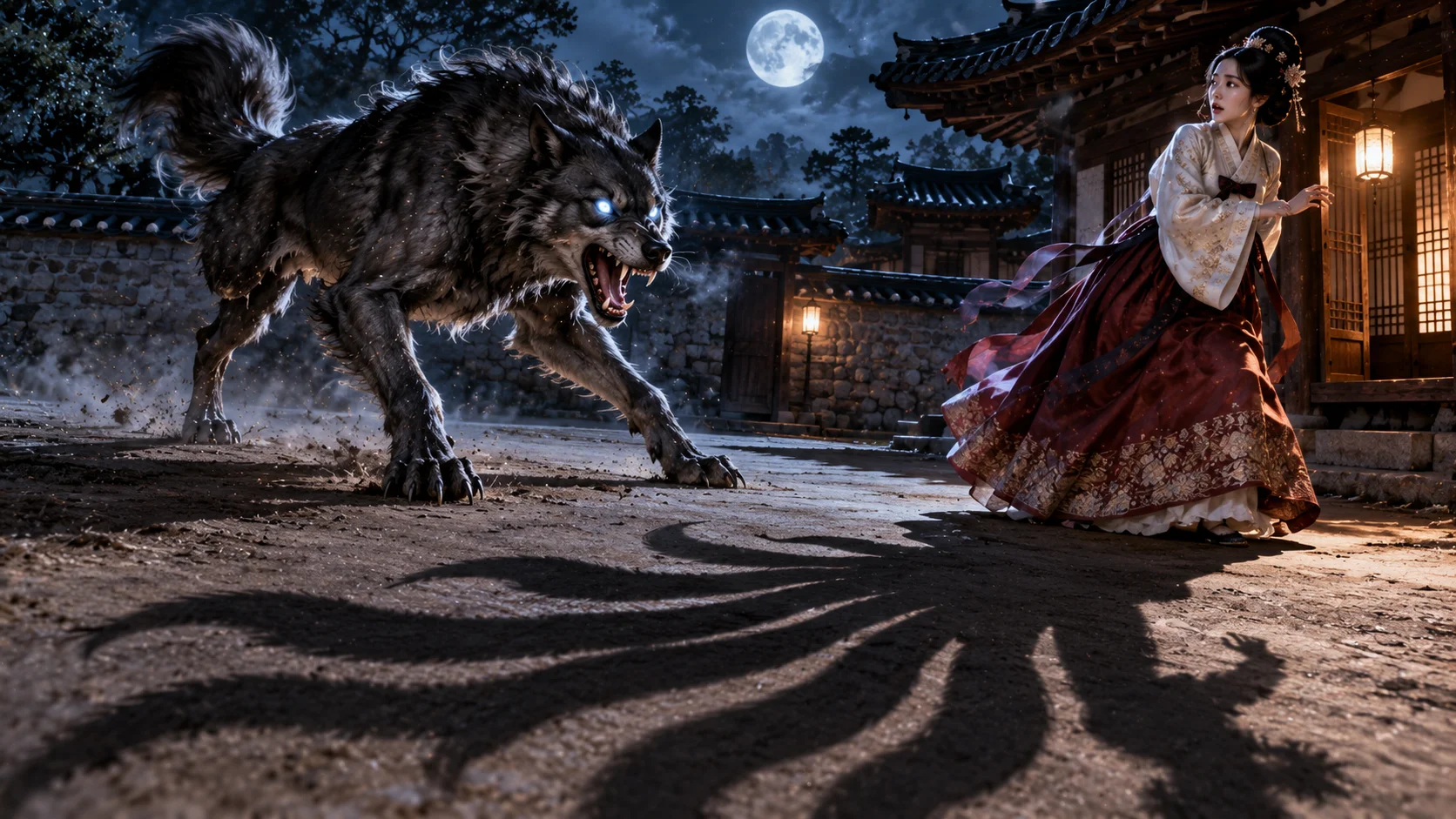
The samjokgu, Korea’s three-legged dog — a spectral hound that sees through the disguises of spirits and hunts the nine-tailed fox gumiho, the faithful
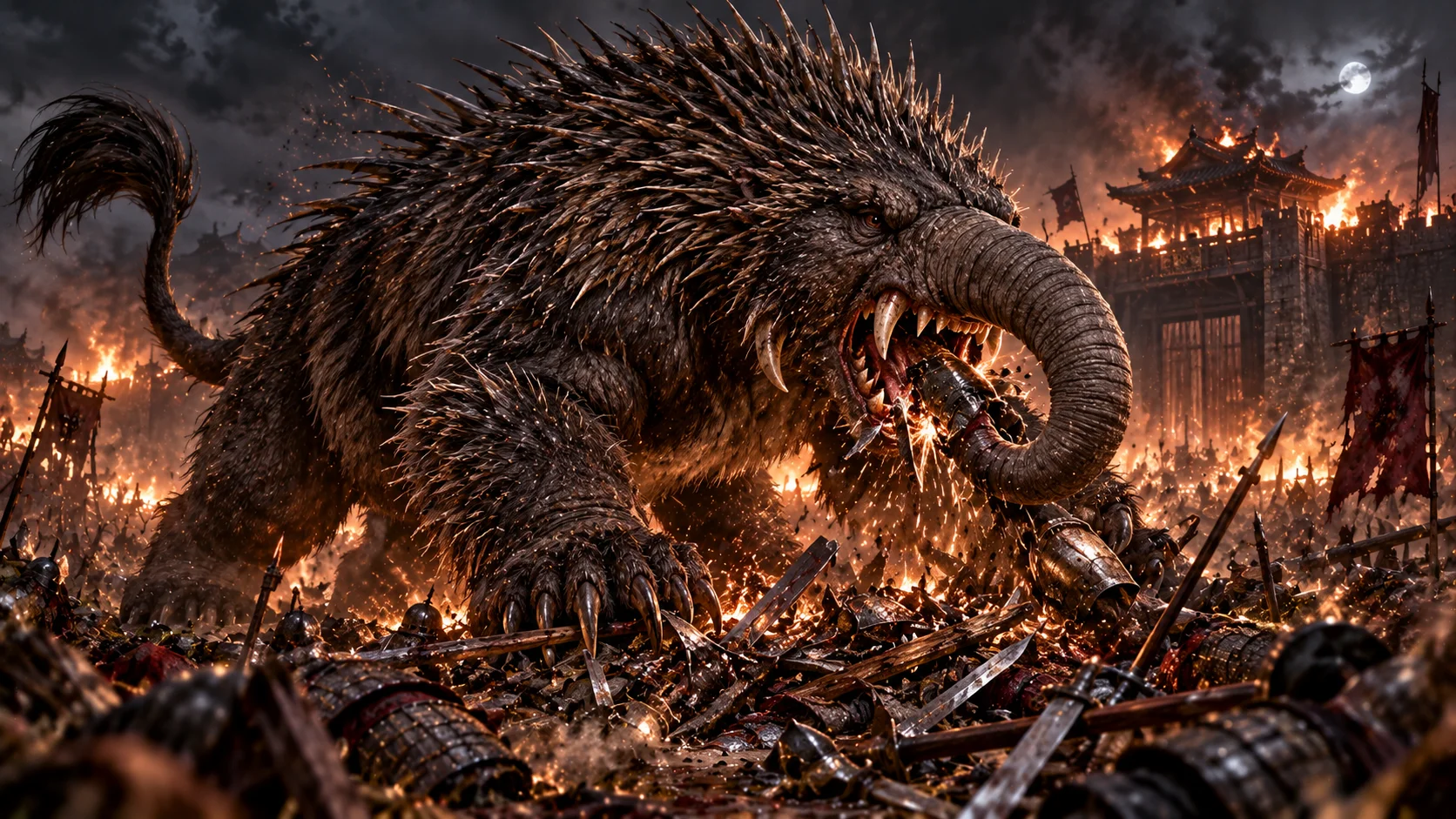
The bulgasari, Korea’s iron-devouring beast — a chimera that feeds on metal and grows stronger with every weapon it swallows, nearly unkillable but
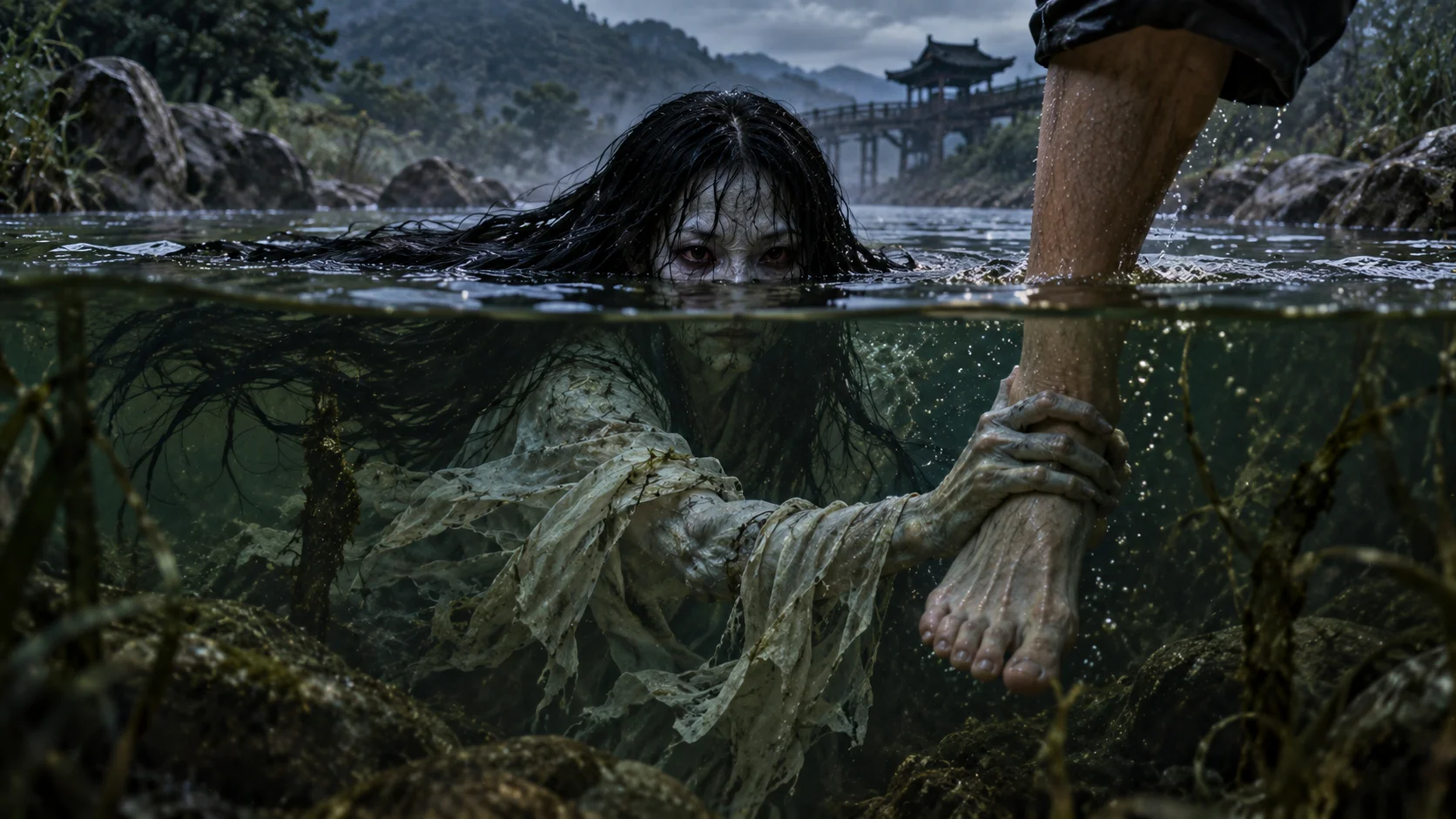
The mul gwishin, Korea’s water ghost — the drowned spirit that lurks in deep water and drags swimmers under, unable to pass on until it takes another’s
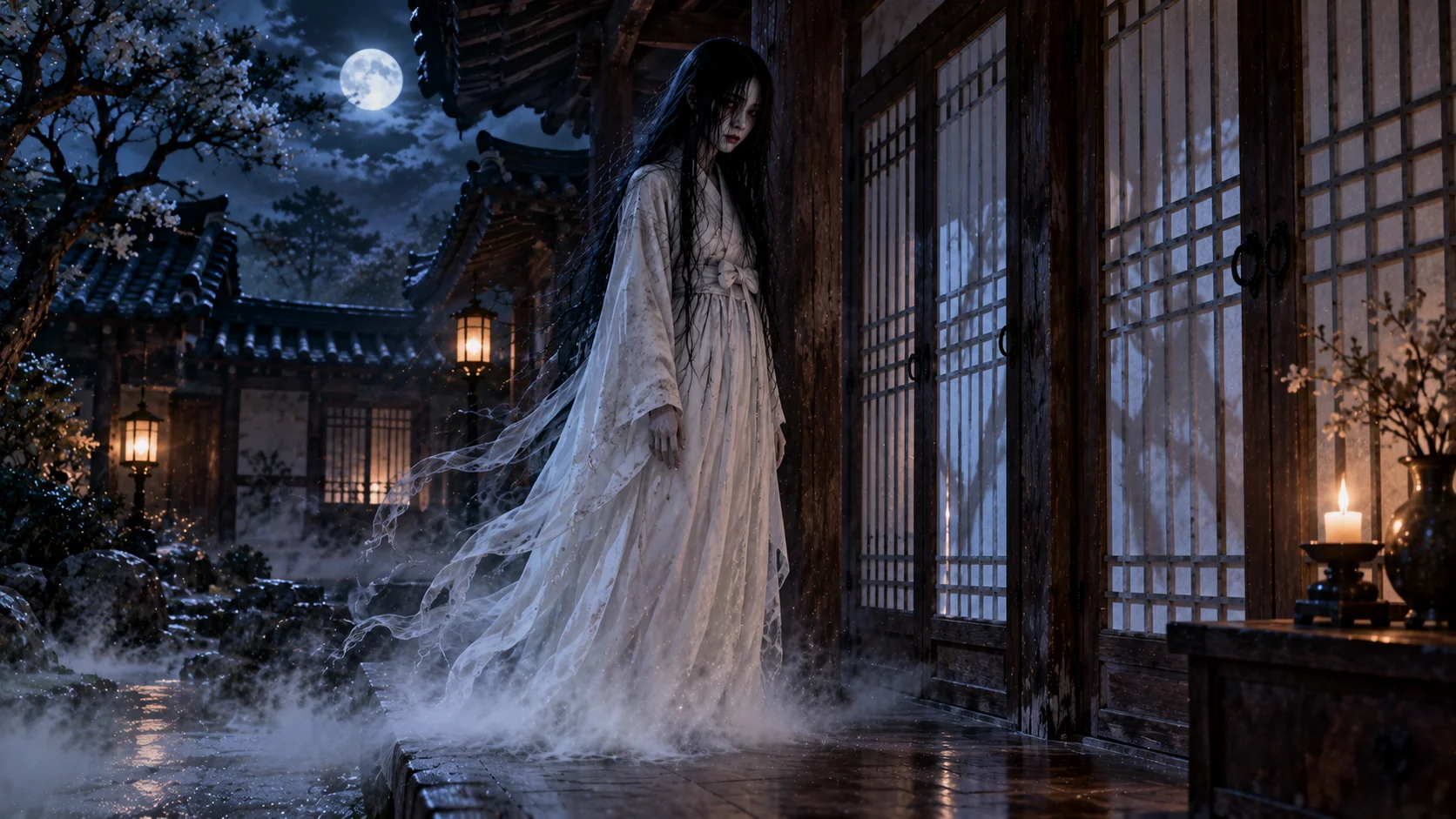
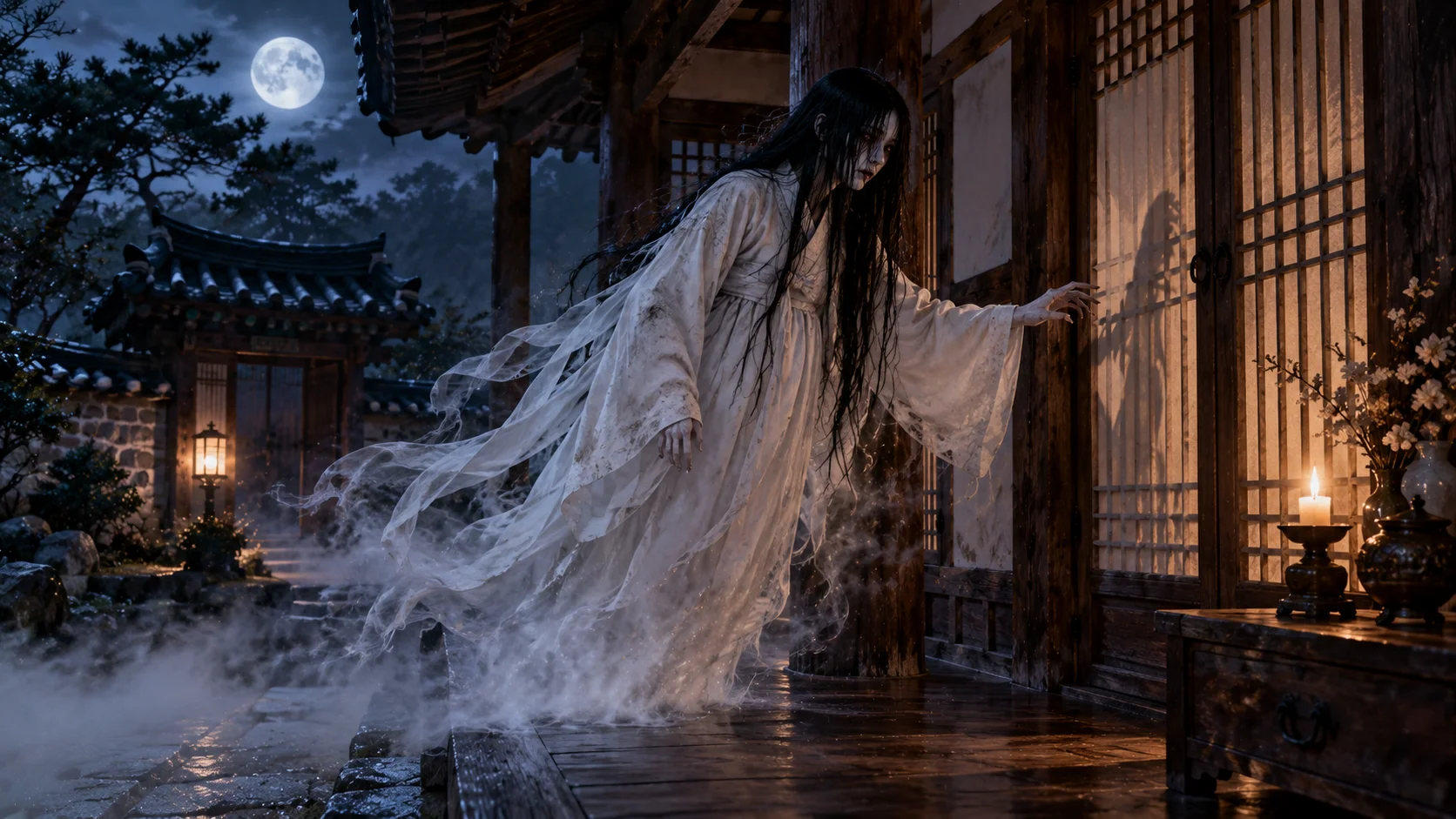
The cheonyeo gwishin, Korea’s iconic virgin ghost — spirit of a maiden who died unwed, white-clad with loose black hair, who haunts to seek justice and is
The gwishin, Korea’s ghosts — spirits of those who died with unresolved han and cannot pass on, from the white-clad virgin ghost to the drowned
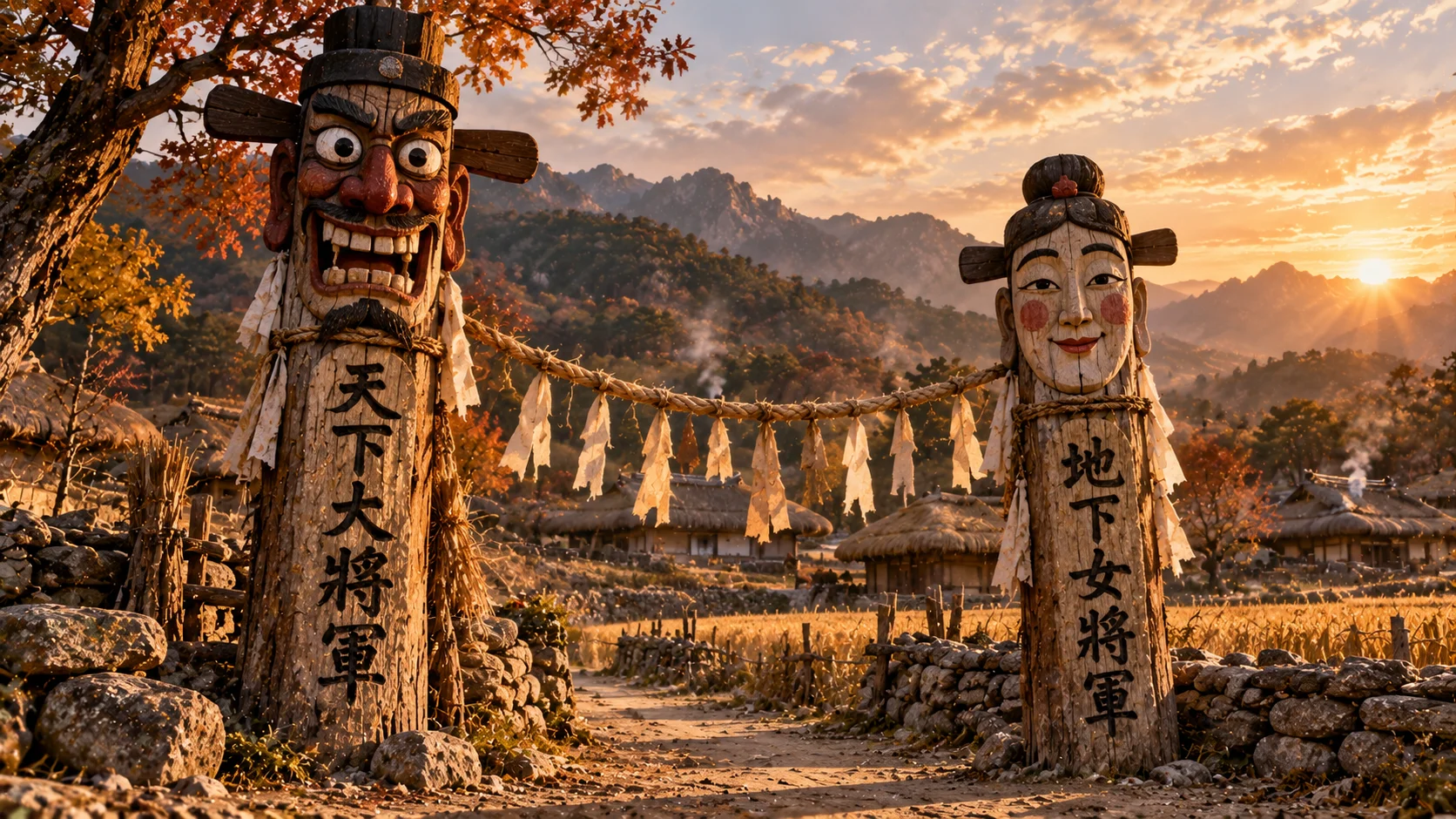
The jangseung, Korea’s carved guardian posts — fierce-faced wooden and stone totems raised in pairs at village gates to ward off evil spirits and disease
Seonangsin, the Korean village guardian god — spirit of the seonangdang shrine at passes and gates, honored at cloth-hung trees and stone cairns,