Every myth carries a truth older than the civilization that told it.
Showing 11–20 of 24
Voltumna (Veltha), the chief national god of the Etruscan league — the supreme deity at whose great sanctuary the twelve cities of the Etruscan
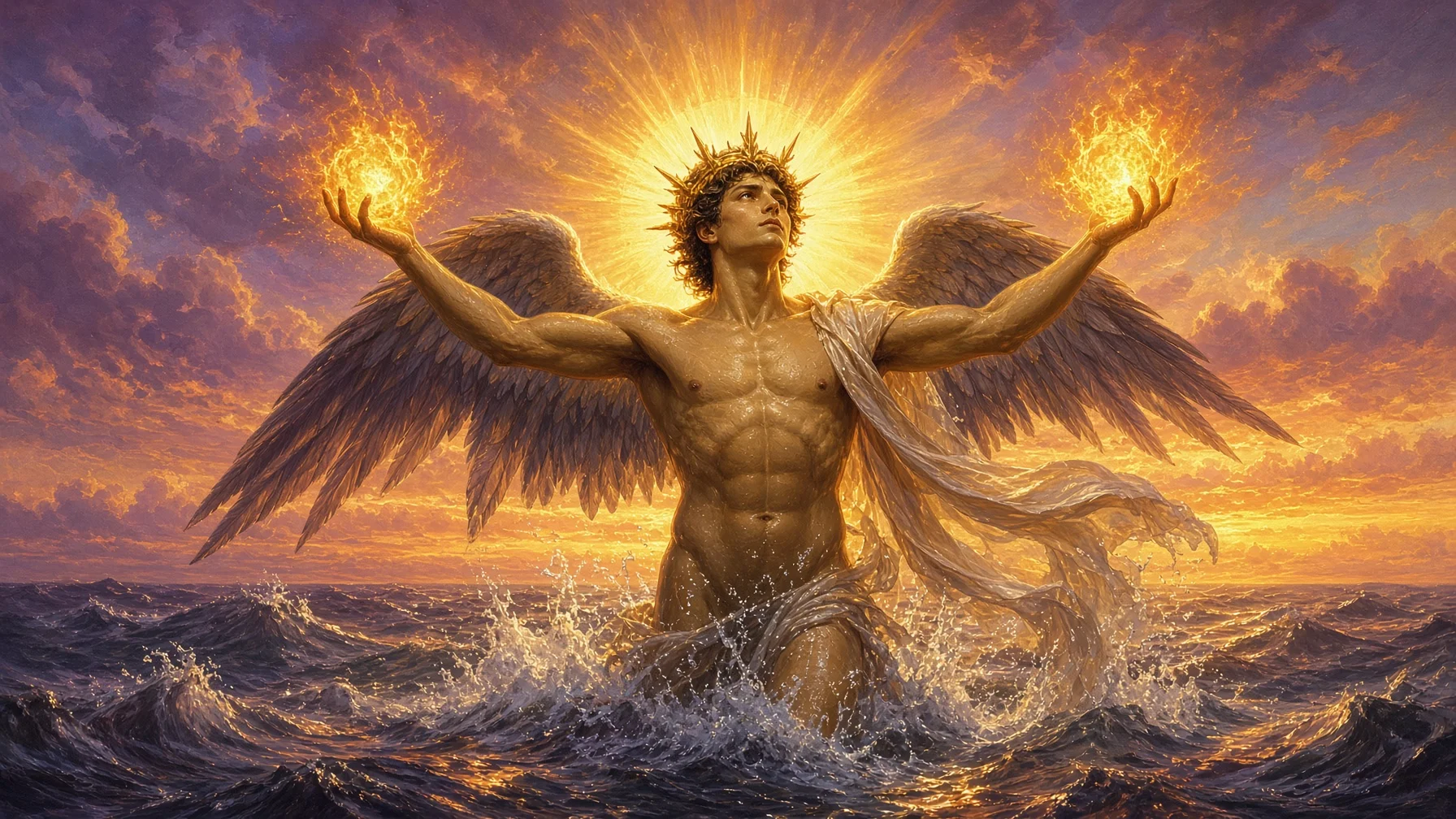
Usil, the Etruscan god of the sun — the divine power of the sun who rises from the sea at dawn bearing the blazing disc and crowned with rays, the radiant
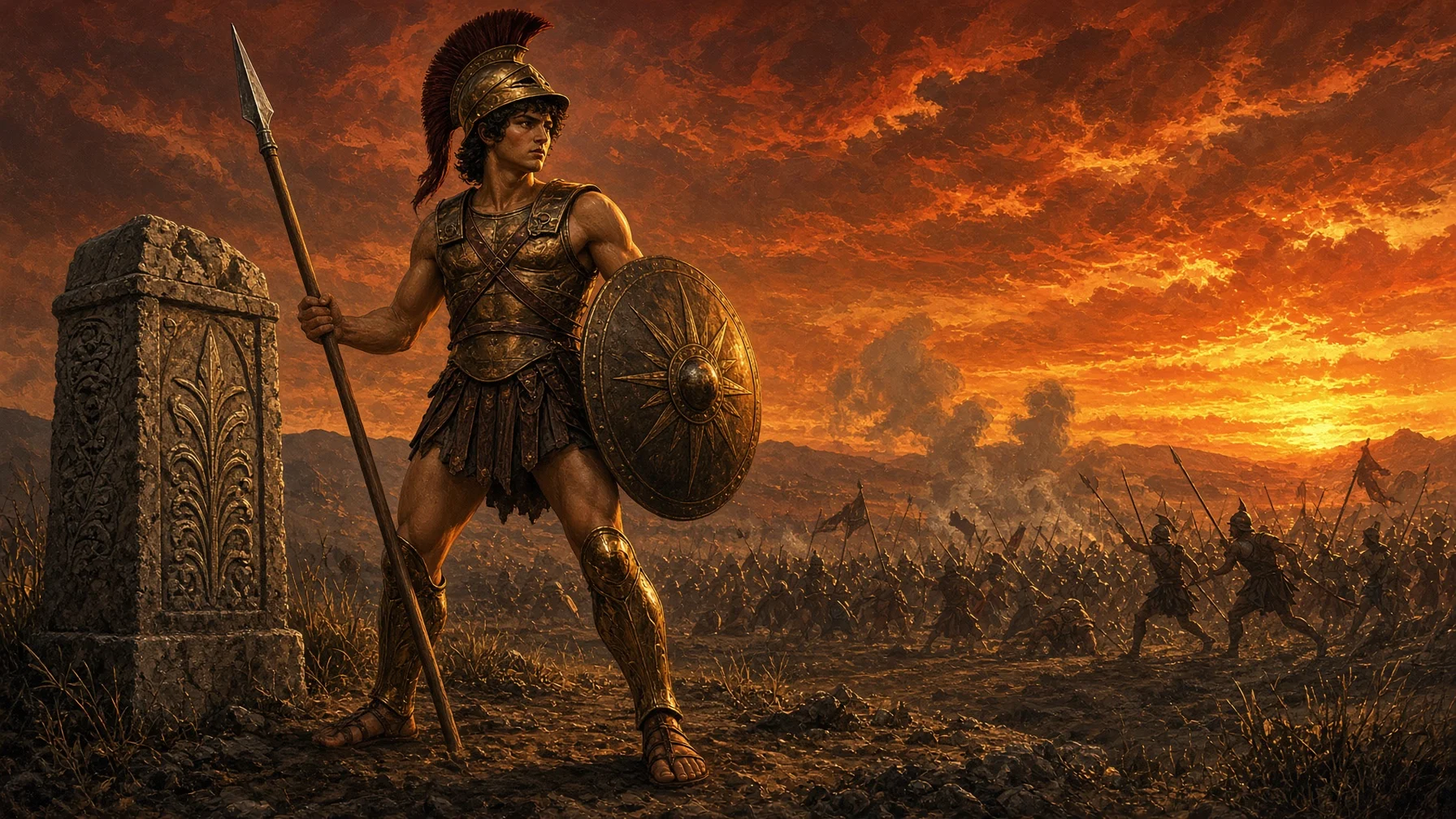
Laran, the Etruscan god of war — the divine warrior of battle and conflict, depicted as a youthful armed warrior, a guardian of boundaries and protector
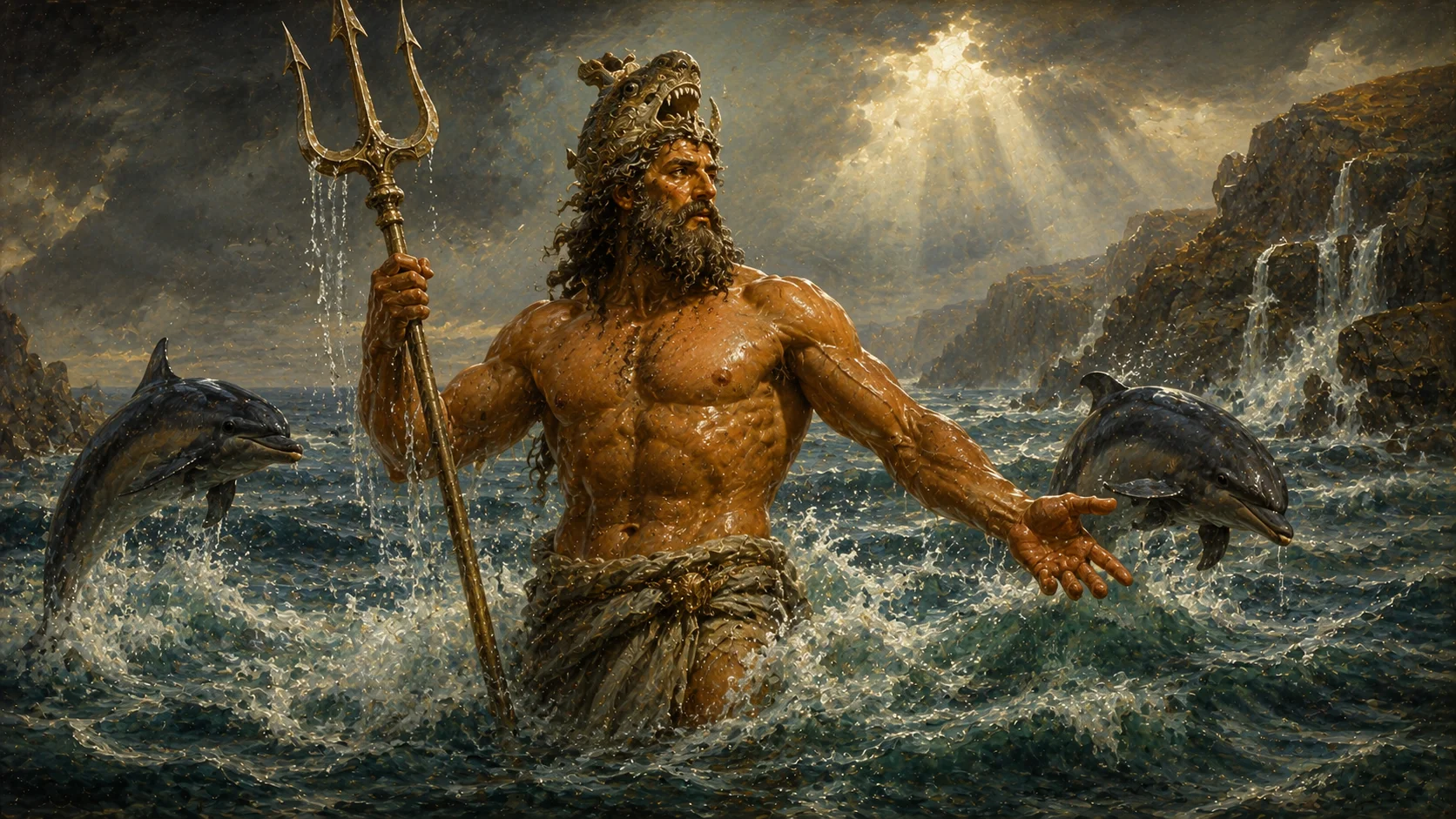
Nethuns, the Etruscan god of water, springs, wells, and the sea — the deity of all the waters, lord of the springs and the deep, wielder of the trident,
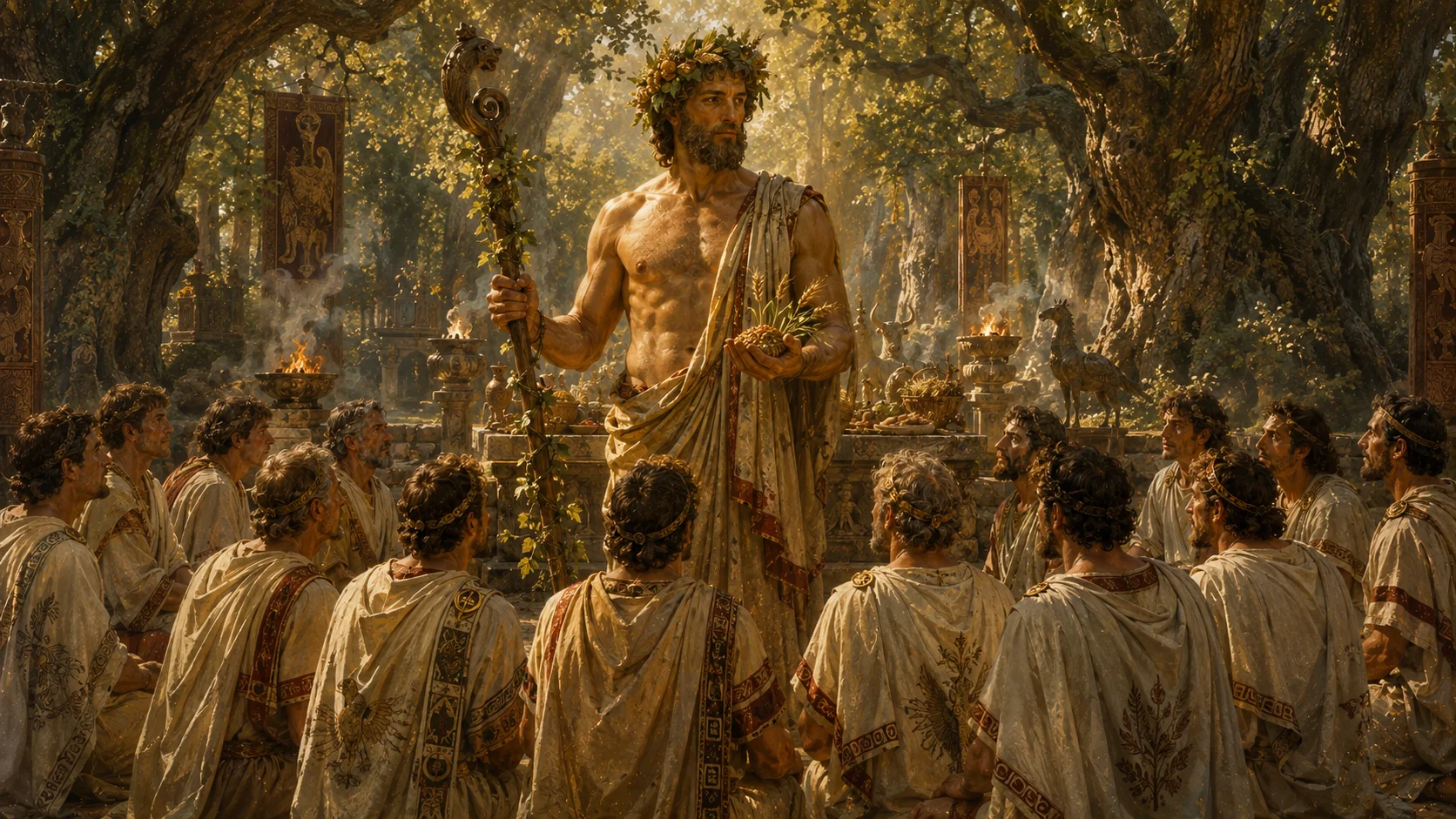
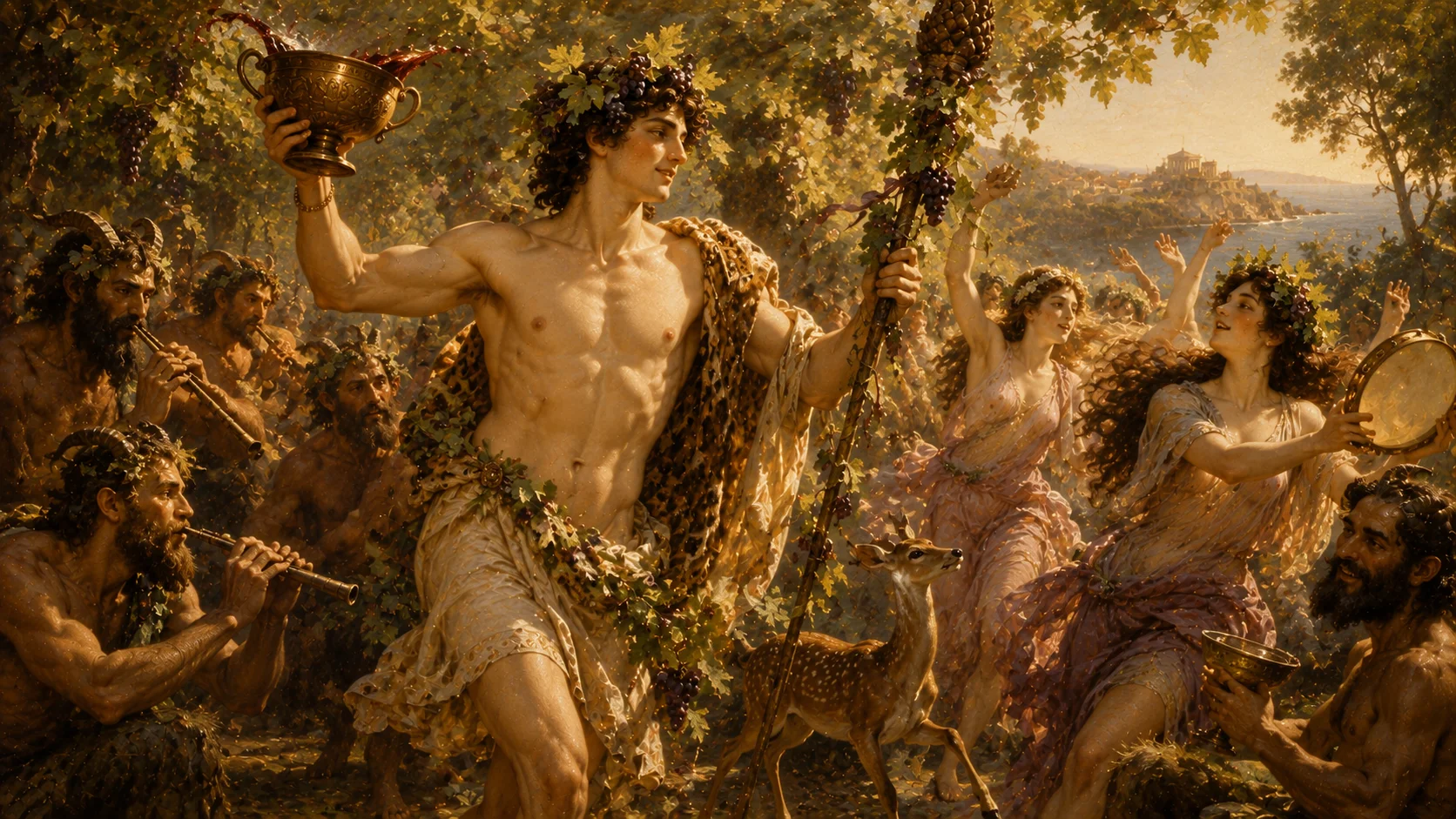
Fufluns, the Etruscan god of wine, vegetation, growth, and ecstatic revelry — the deity of the vine and the natural fertility of growing things, patron of
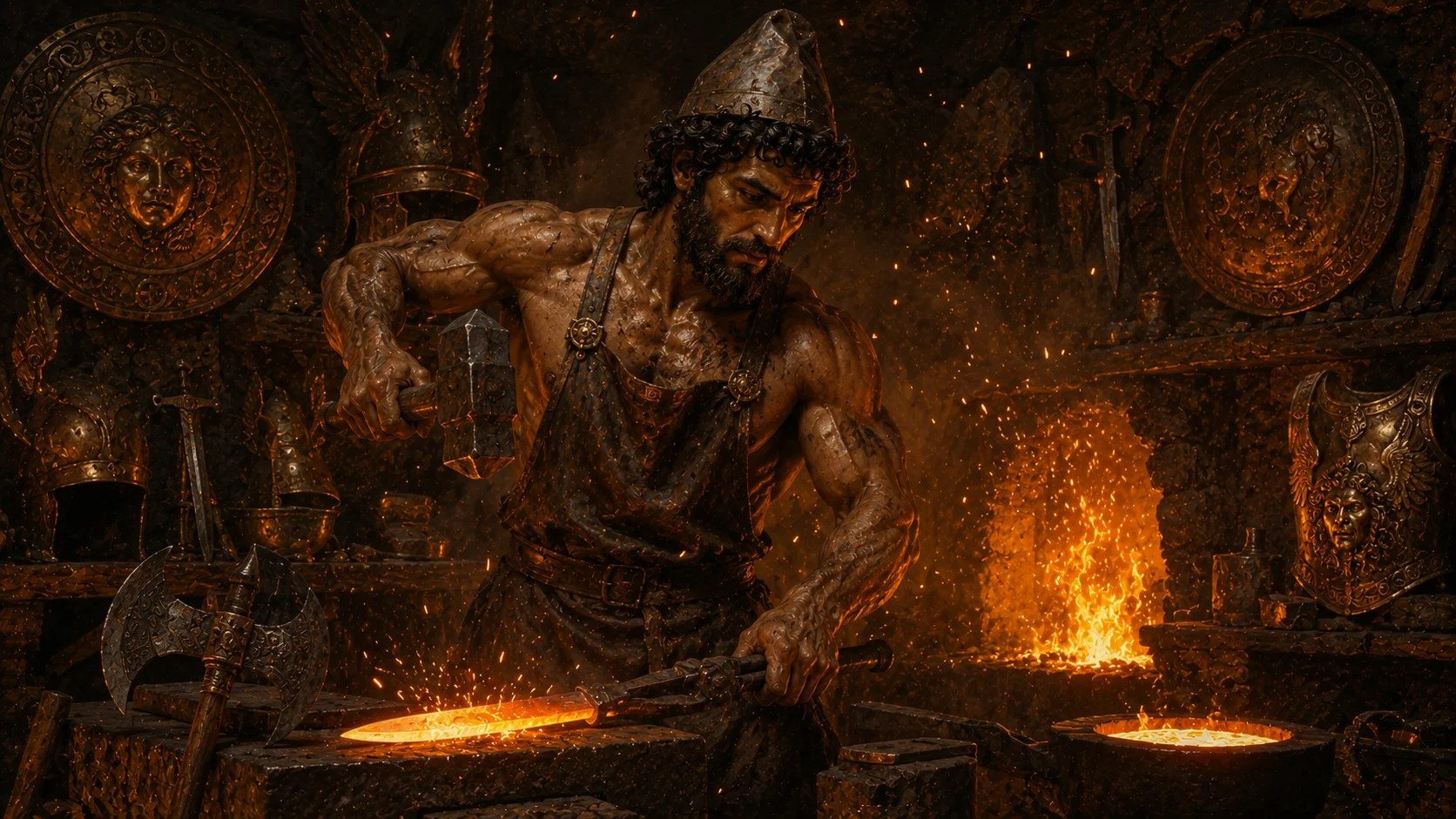
Sethlans, the Etruscan god of fire, the forge, and metalworking — the divine smith and craftsman who works the fire and the metals and makes the gods’
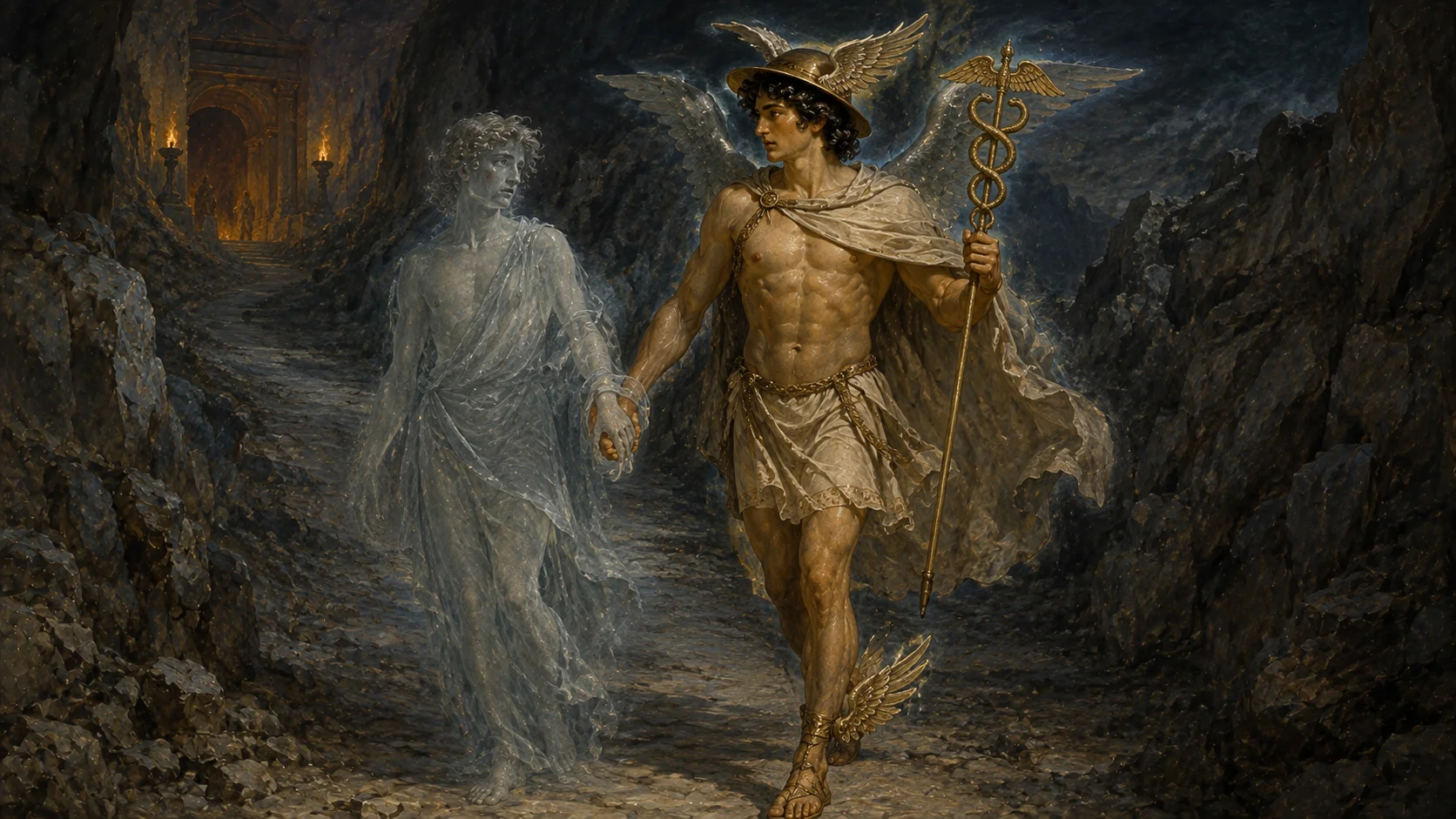
Turms, the Etruscan god of boundaries, commerce, travel, and the conducting of souls — the divine messenger and herald of the gods who escorts the souls
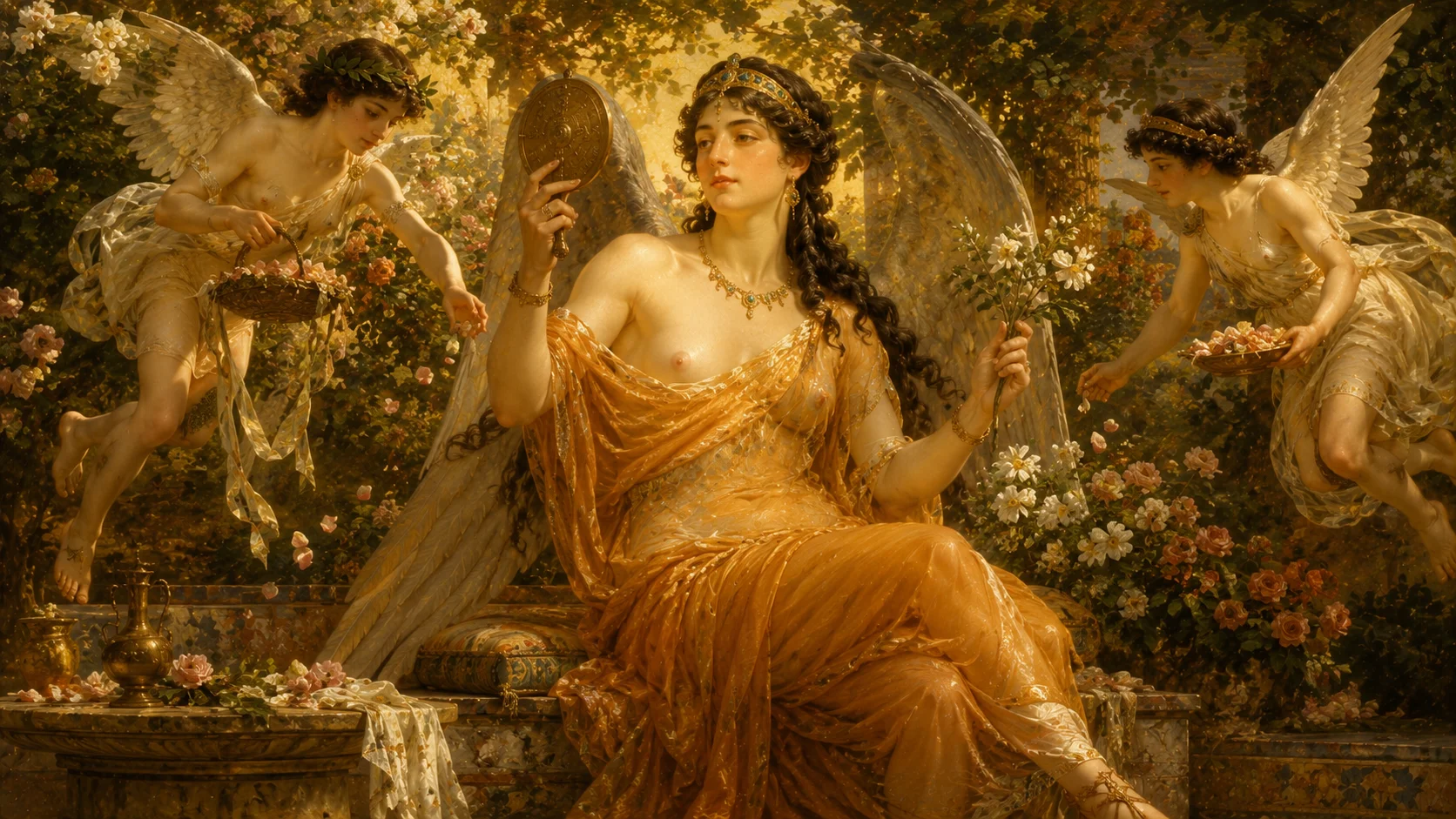
Turan, the Etruscan goddess of love, beauty, fertility, and vitality — the lovely goddess of desire, patroness of the city of Vulci, attended by winged
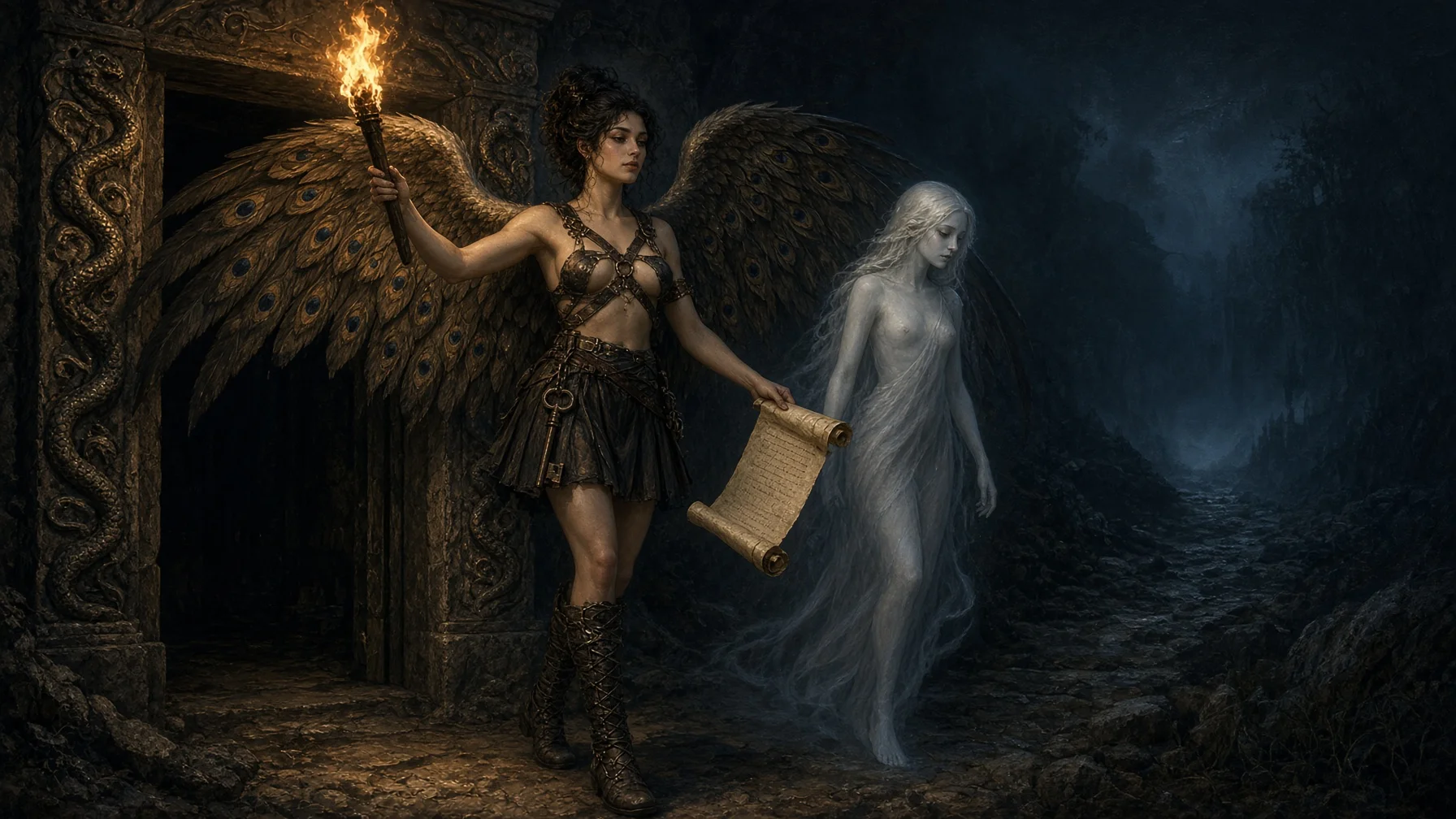
Vanth, the winged death-goddess and psychopomp of the Etruscans — a beautiful, all-seeing female death-spirit with great wings who attends the dying,
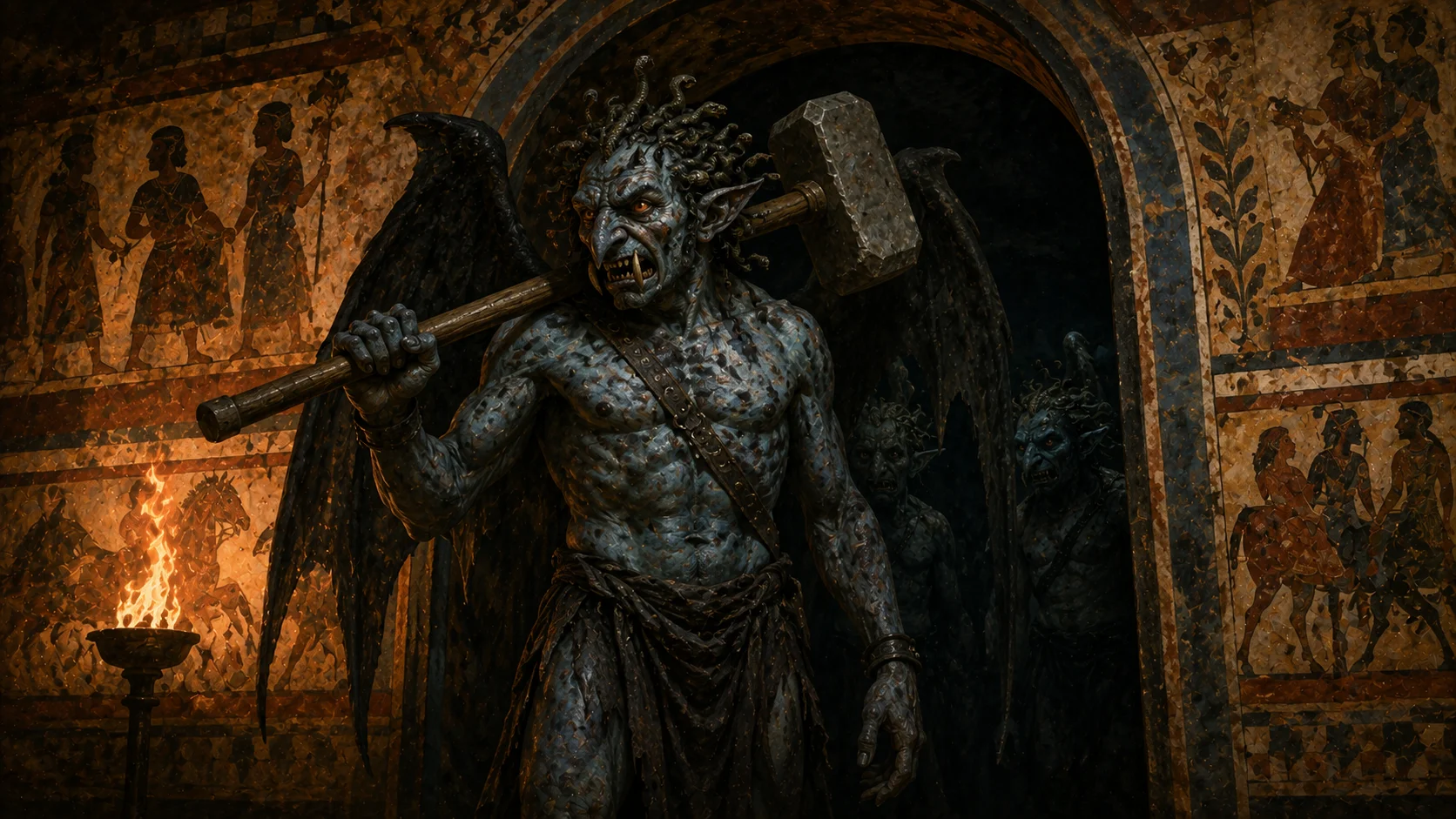
Charun (Charu), the dread death-demon and guardian of the underworld of the Etruscans — a fearsome blue-skinned, hook-nosed, serpent-wreathed demon who