Every myth carries a truth older than the civilization that told it.
Showing 11–20 of 109
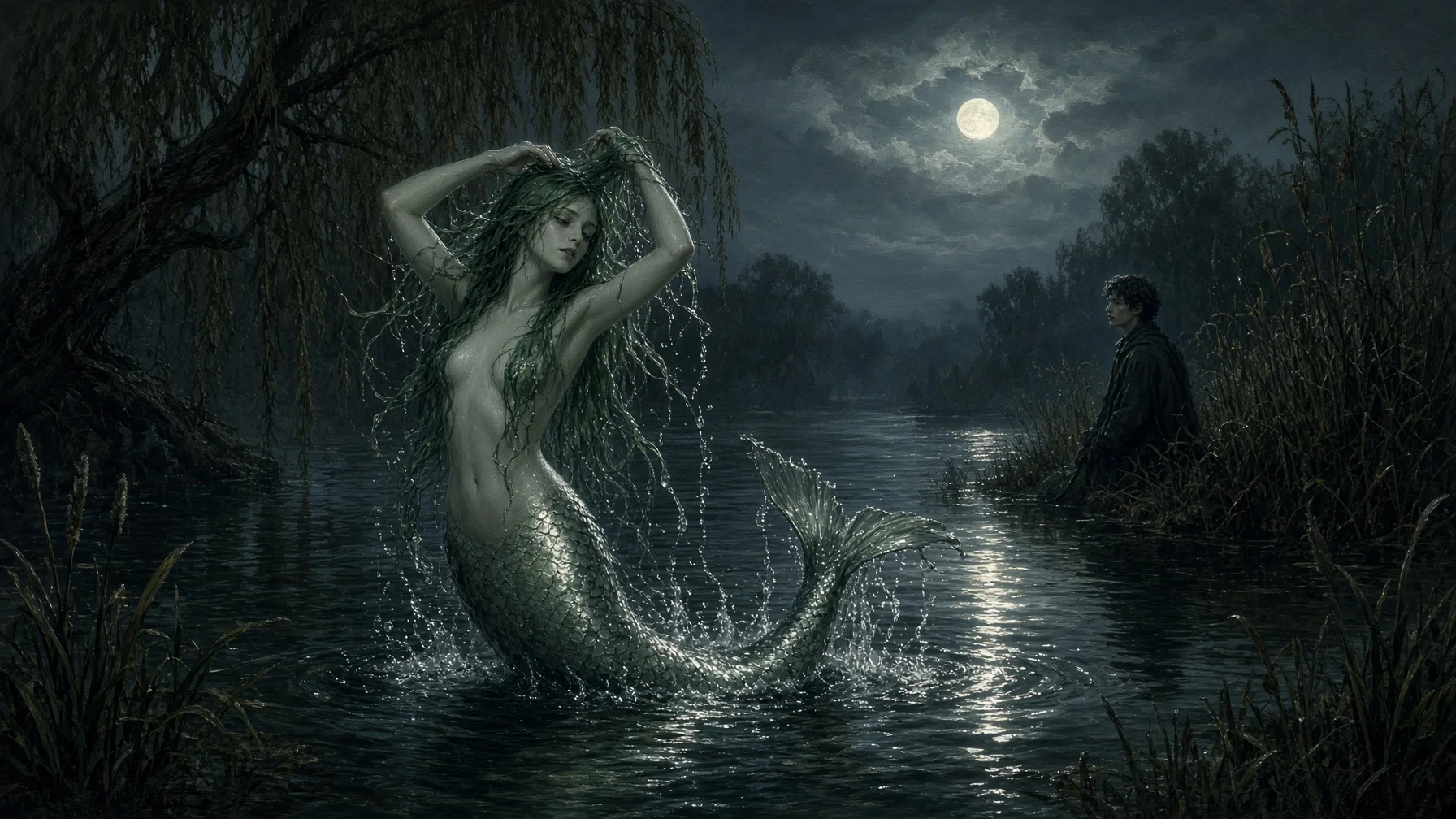
The Nixie (Nix, Nixe), the water-spirit of Germanic folklore — a shapeshifting being of rivers and lakes who appears as human or fish-tailed merfolk,
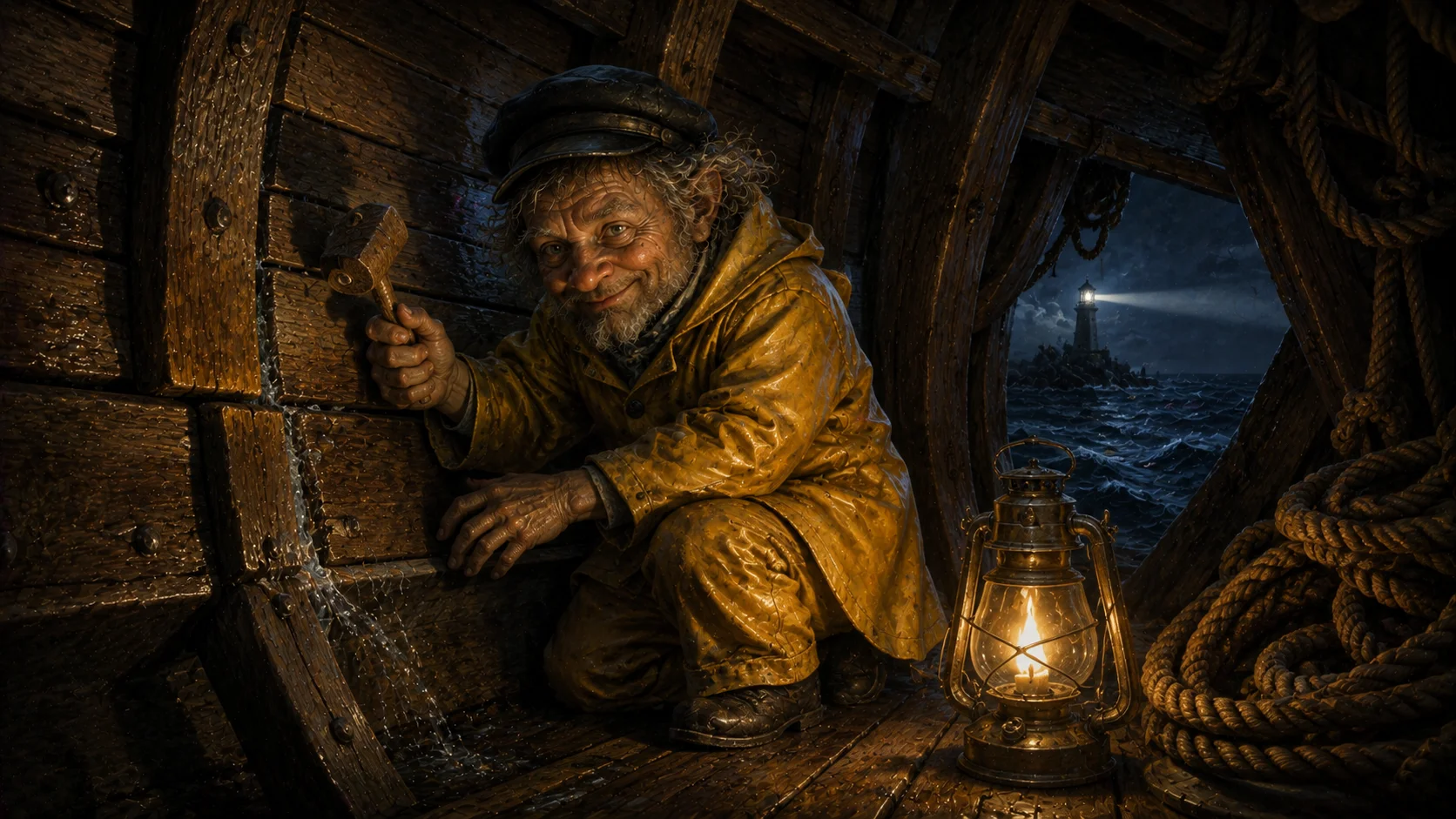
The Klabautermann, the ship-spirit of German and Baltic maritime folklore — a small kobold-like sprite who dwells in a sailing ship and helps the crew by
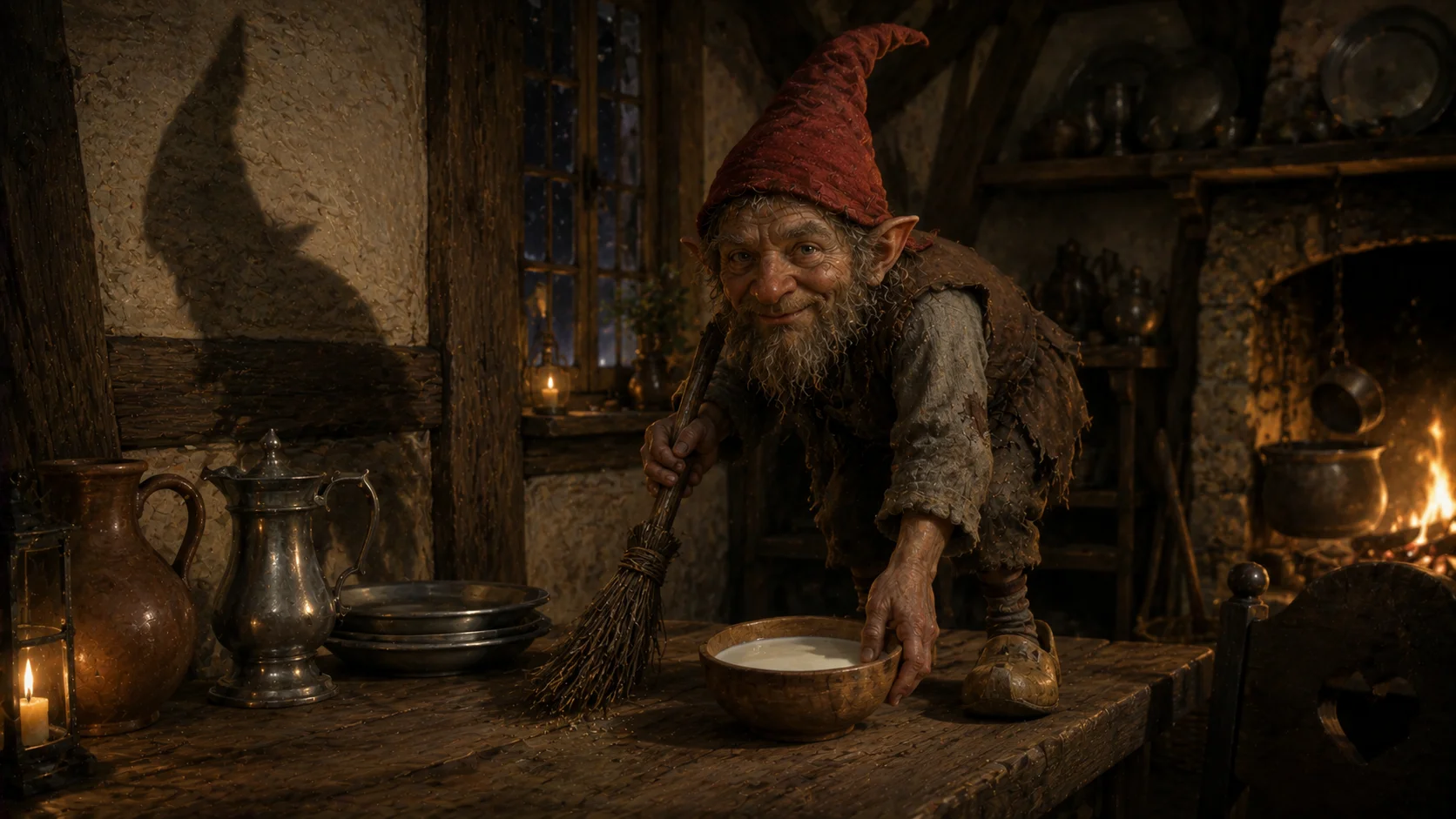
The Kobold, the household and mine spirit of German folklore — a small, mischievous, often invisible sprite that helps with chores and brings luck to the
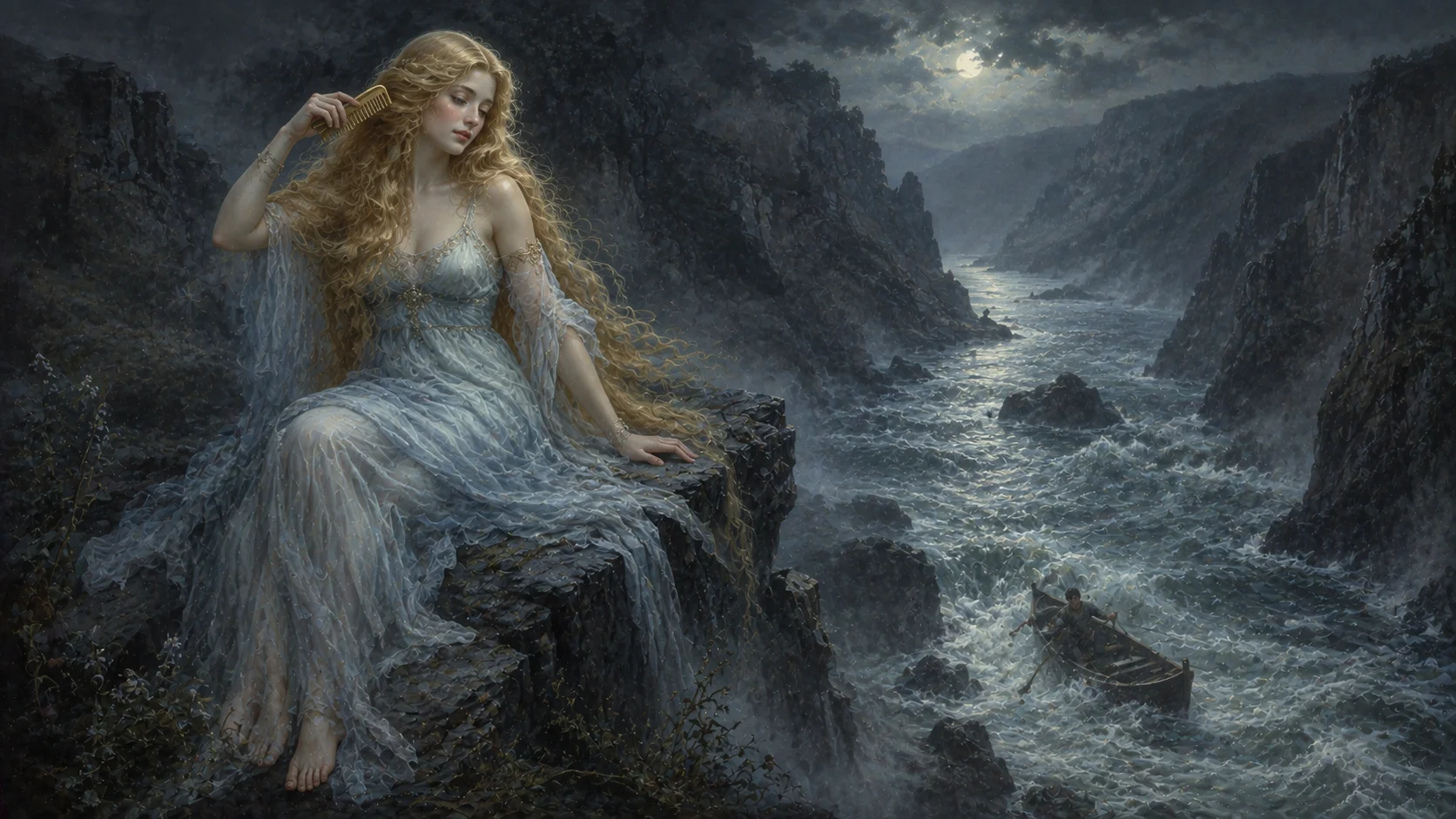
The Lorelei (Loreley), the enchanting siren-spirit of the river Rhine in German folklore — a beautiful golden-haired maiden on the great rock who combs
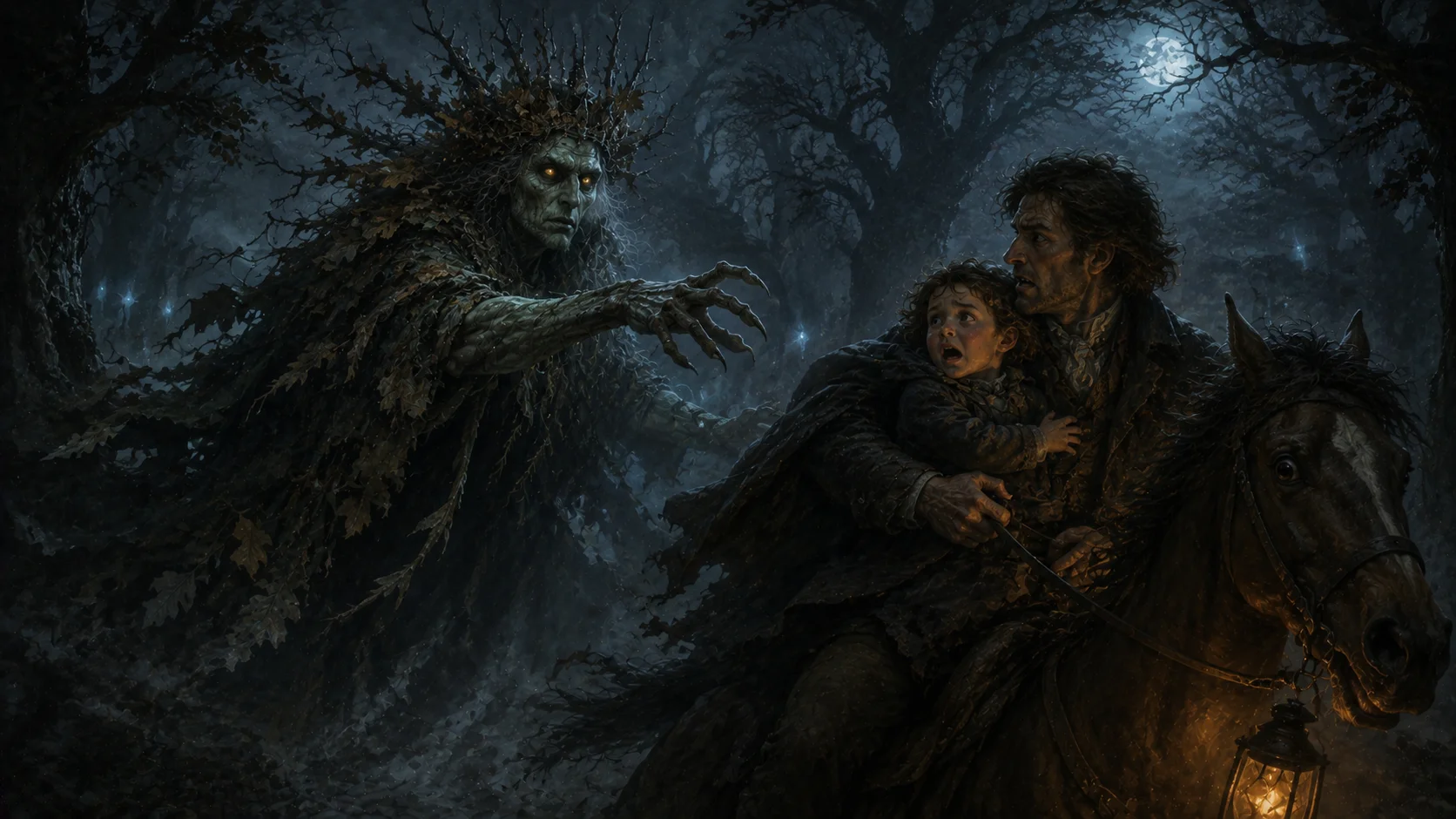
The Erlking (Erlkönig), the malevolent forest-spirit and king of the elves of Germanic folklore — the sinister Alder King who lures and seizes travellers
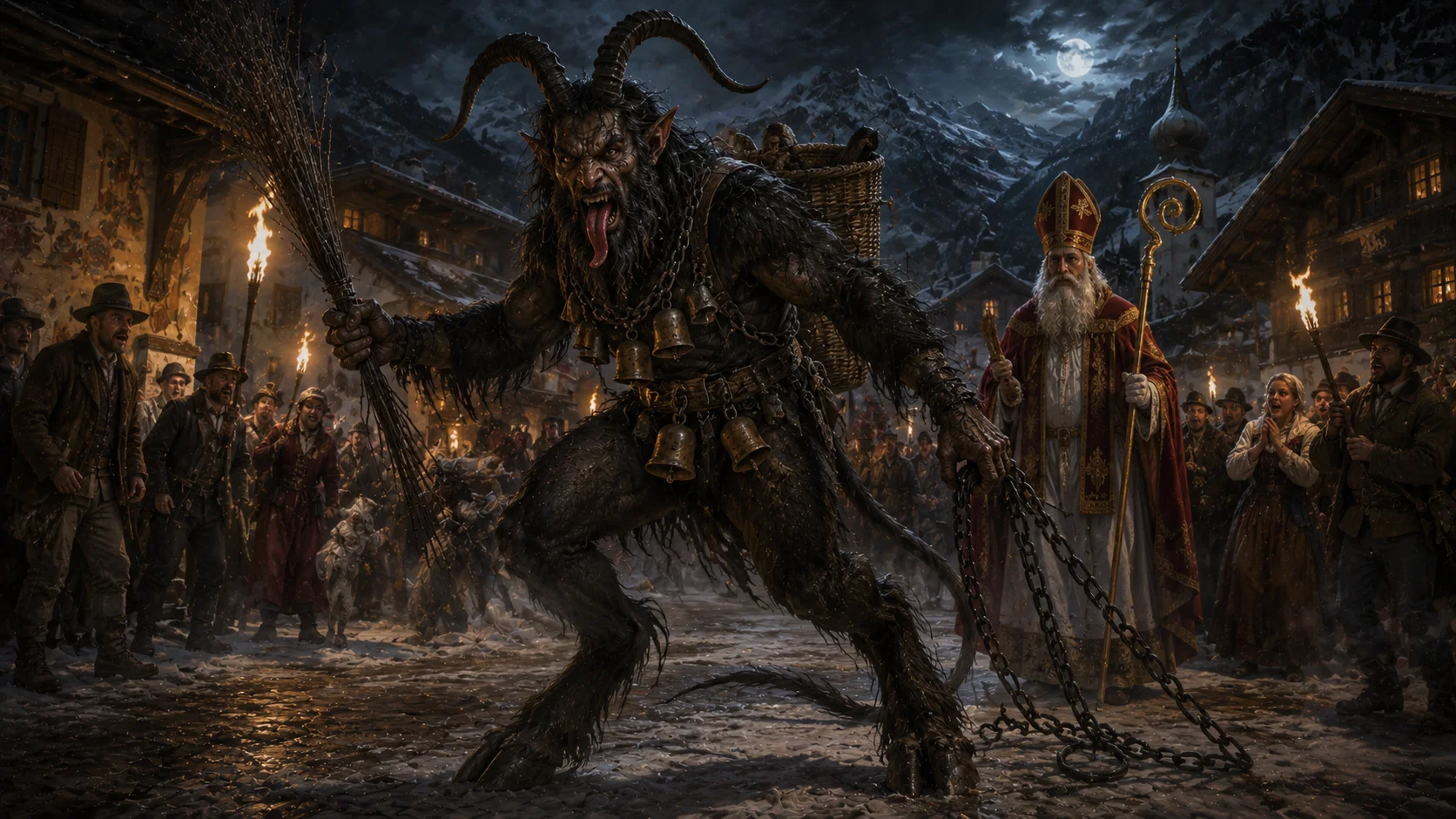
Krampus, the horned demonic companion of Saint Nicholas in Alpine Germanic folklore — a fearsome fur-clad, goat-horned creature with chains and
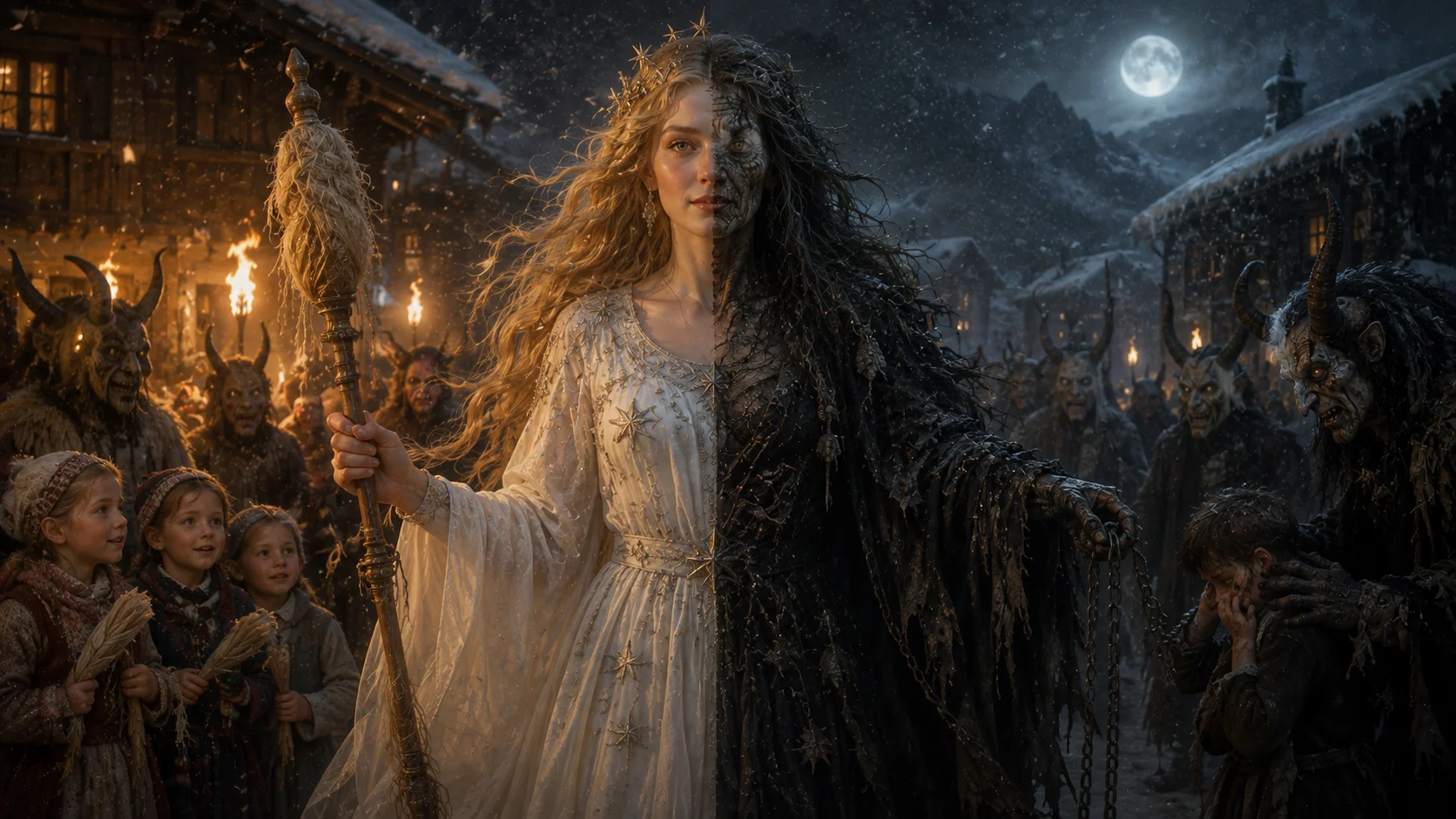
Frau Perchta (Berchta), the dread Alpine goddess-spirit of midwinter and the Twelve Nights — a two-faced being who roams the dark of the year inspecting
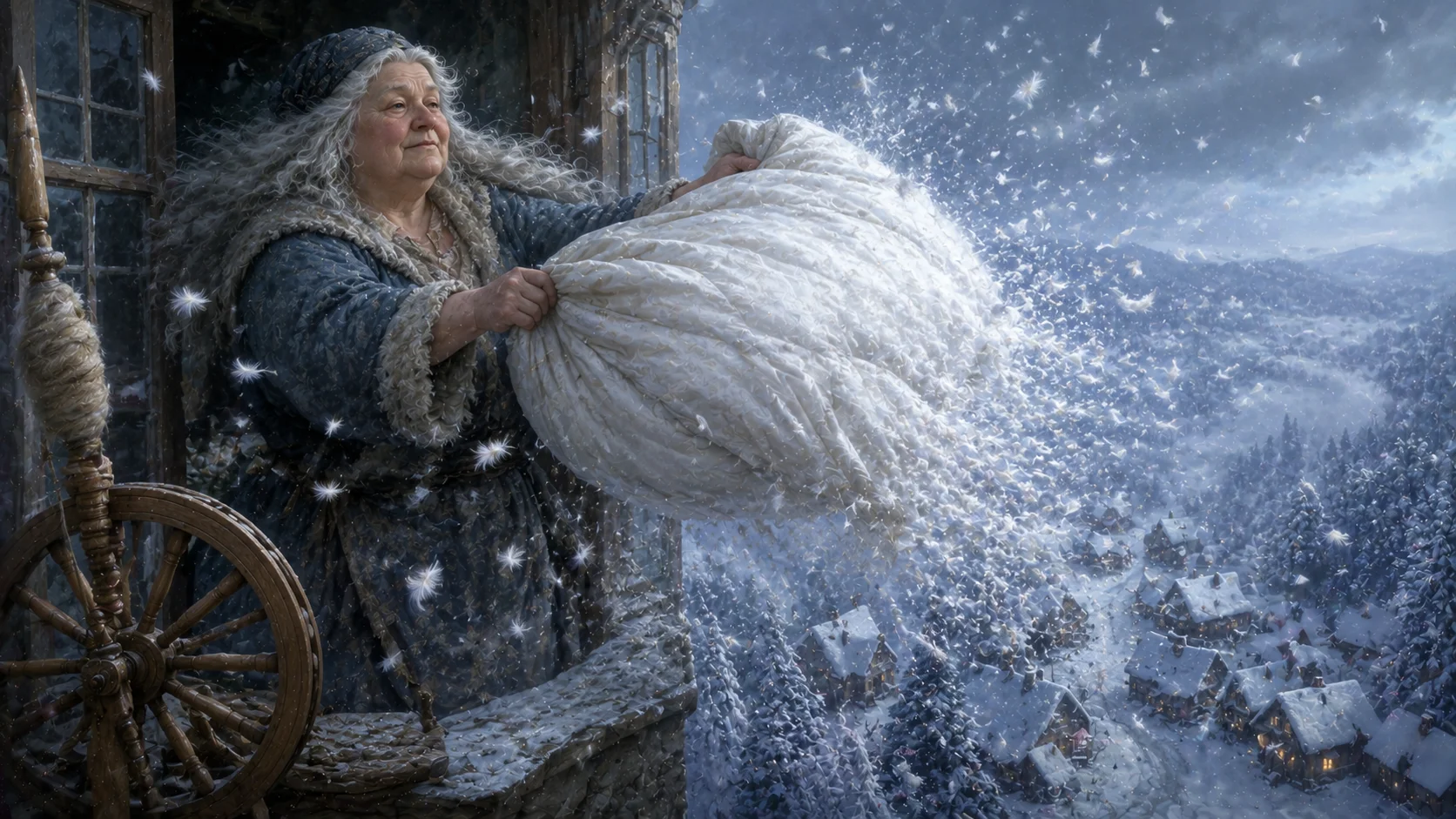
Frau Holle (Holda), the great goddess of German folklore — the winter sky-woman who makes it snow by shaking out her feather-bed, mistress of spinning and
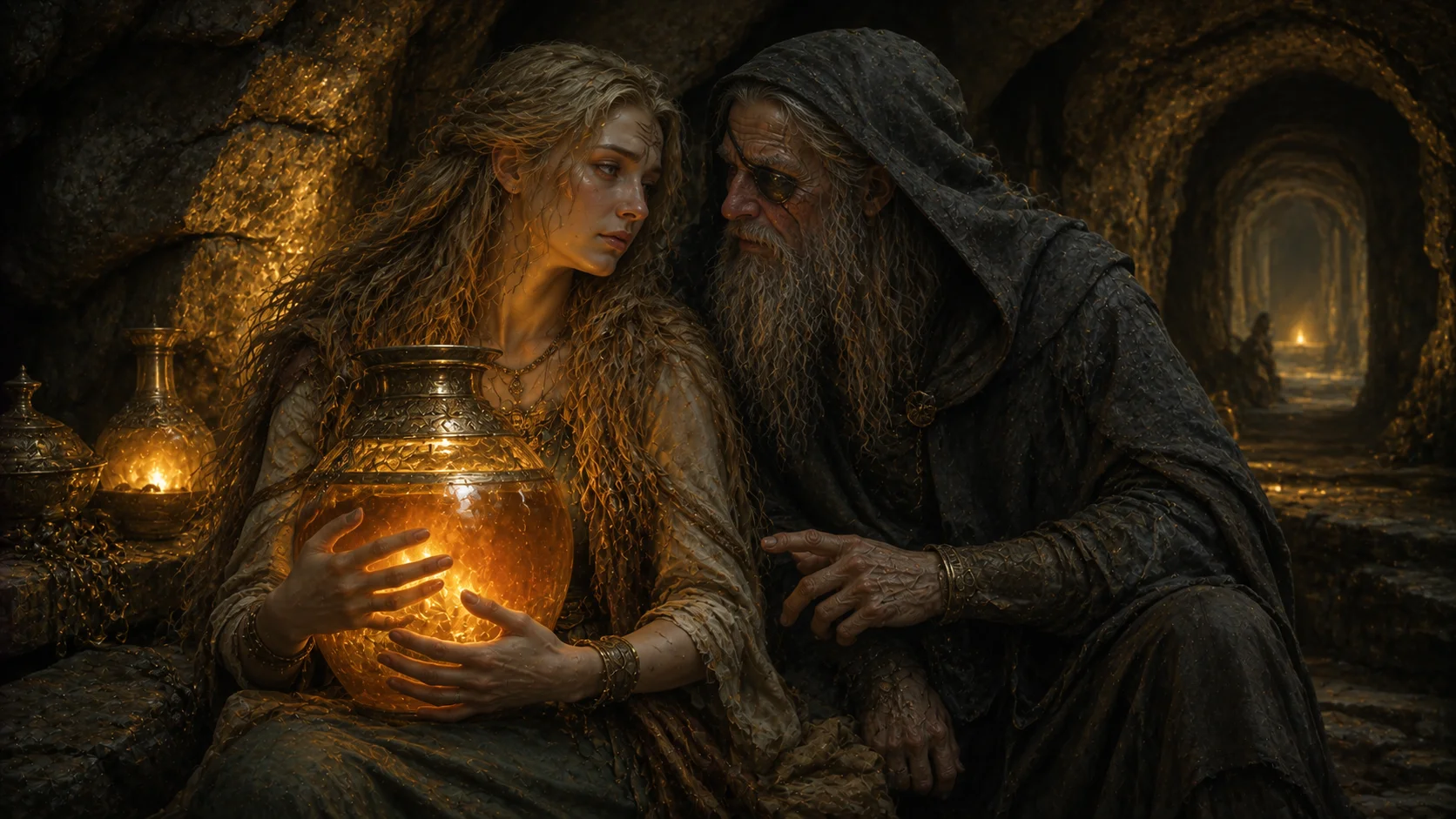
The myth of Gunnlod: the giantess who guarded the Mead of Poetry deep within a mountain, daughter of Suttungr, won over by the disguised Odin who stayed
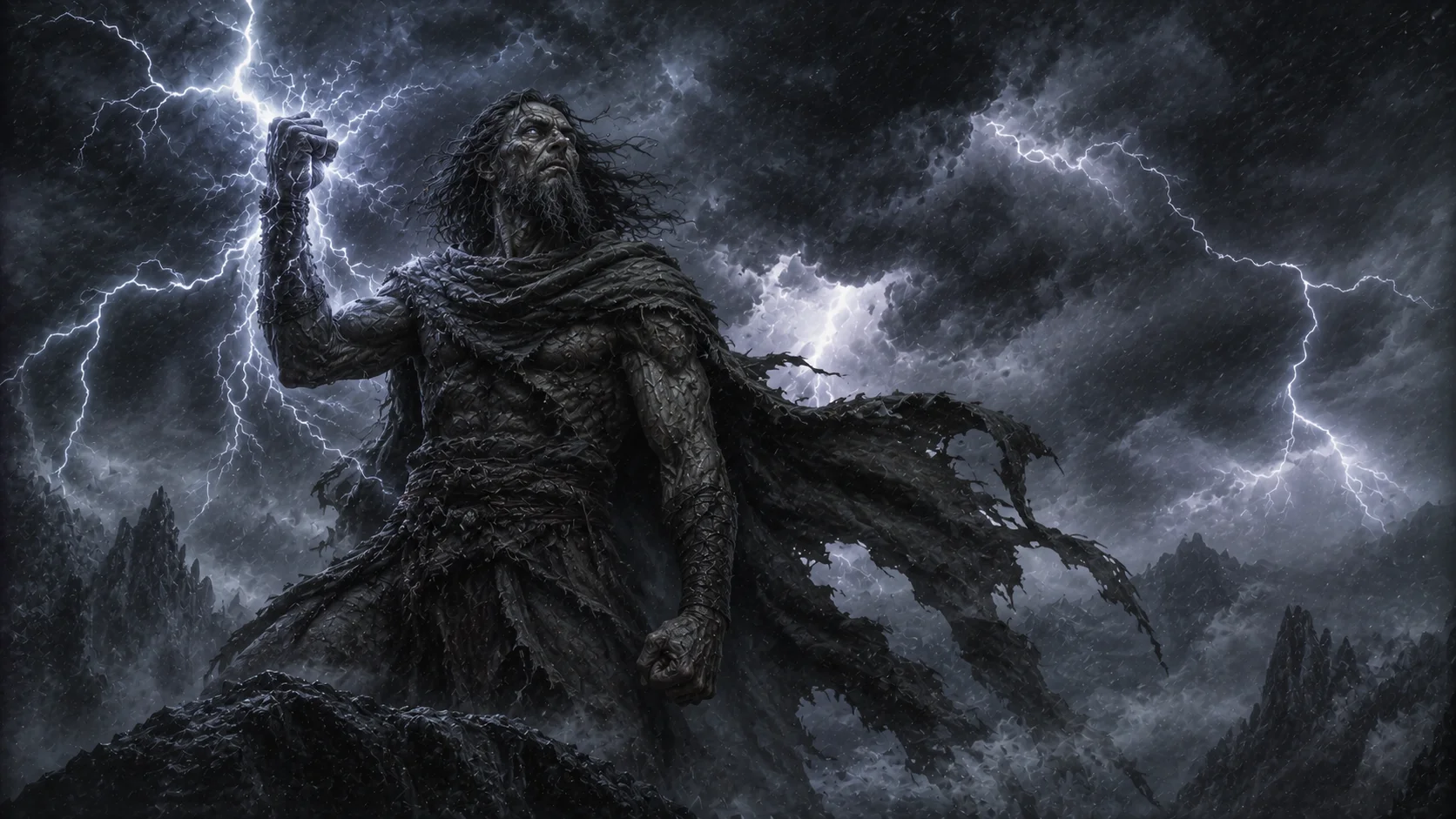
The myth of Farbauti: the Norse giant who fathered Loki, his name meaning "cruel-striker" and interpreted by many as the lightning that strikes the leafy