Every myth carries a truth older than the civilization that told it.
Showing 11–19 of 19
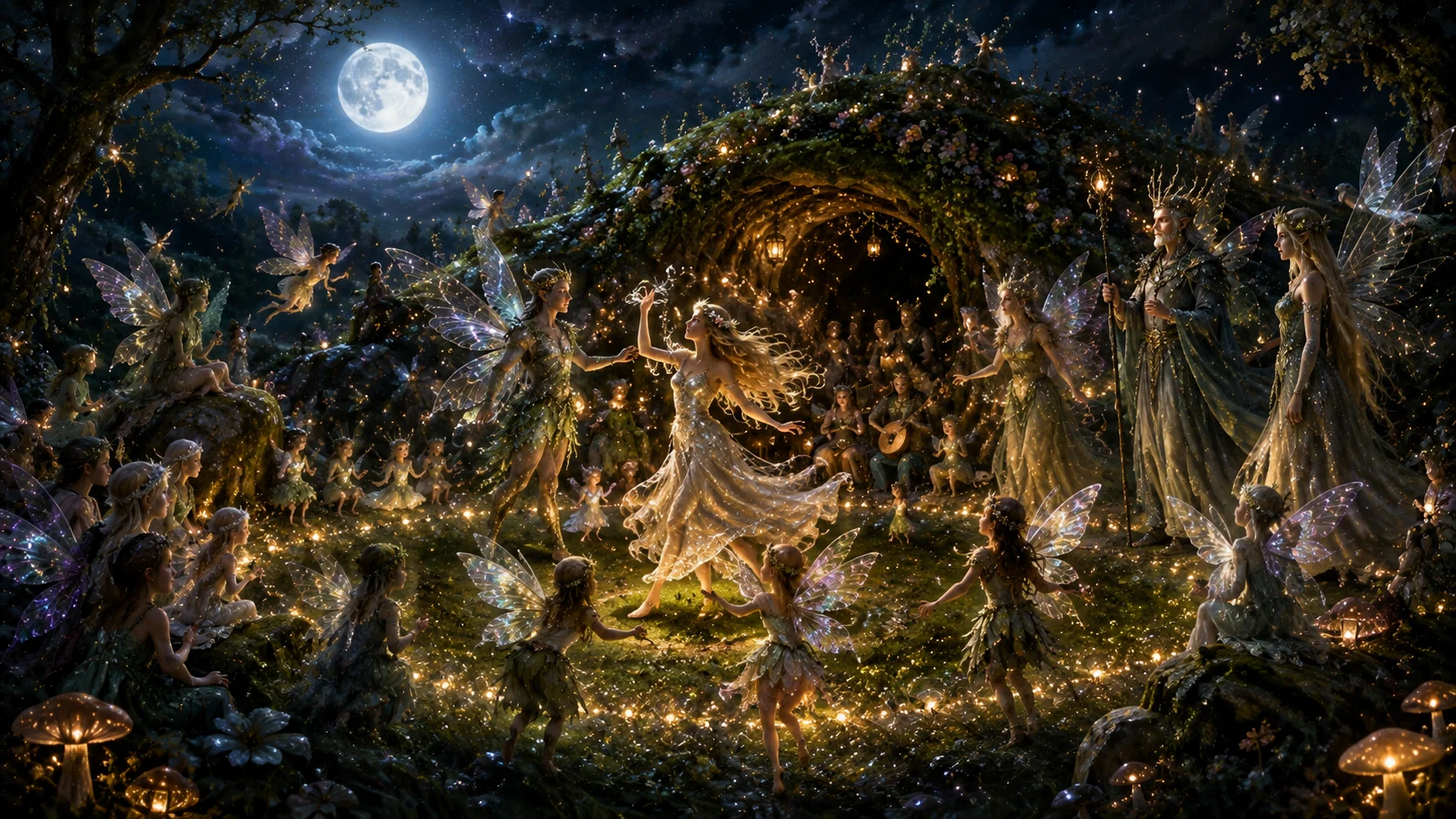
The Fairy (Fae, Faerie), the supernatural folk of European legend — a race of magical, capricious beings who dwell in an enchanted otherworld, possess
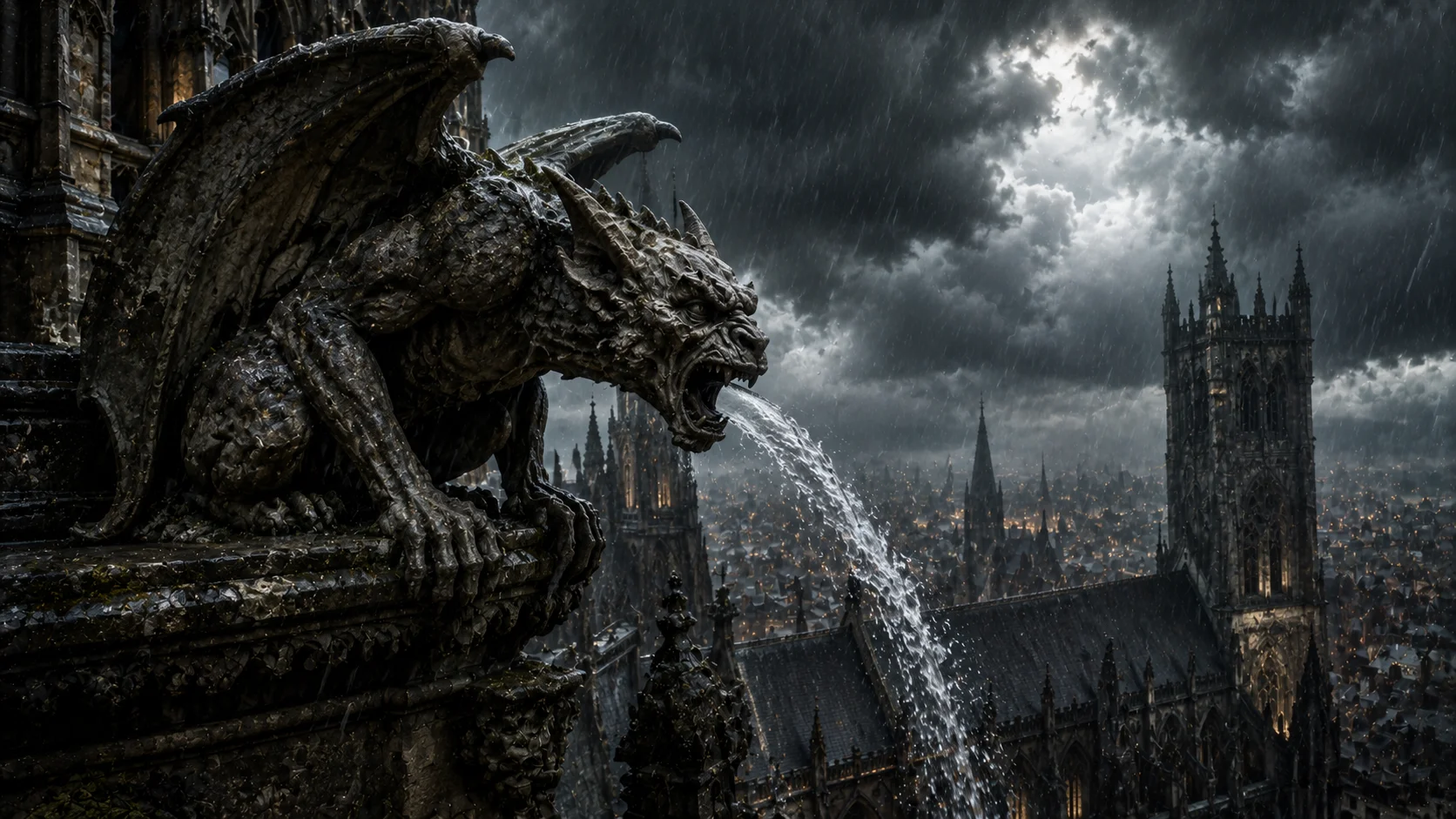
The Gargoyle, the carved stone monster of medieval European architecture and legend — a grotesque figure on the cathedrals serving as a rainwater spout
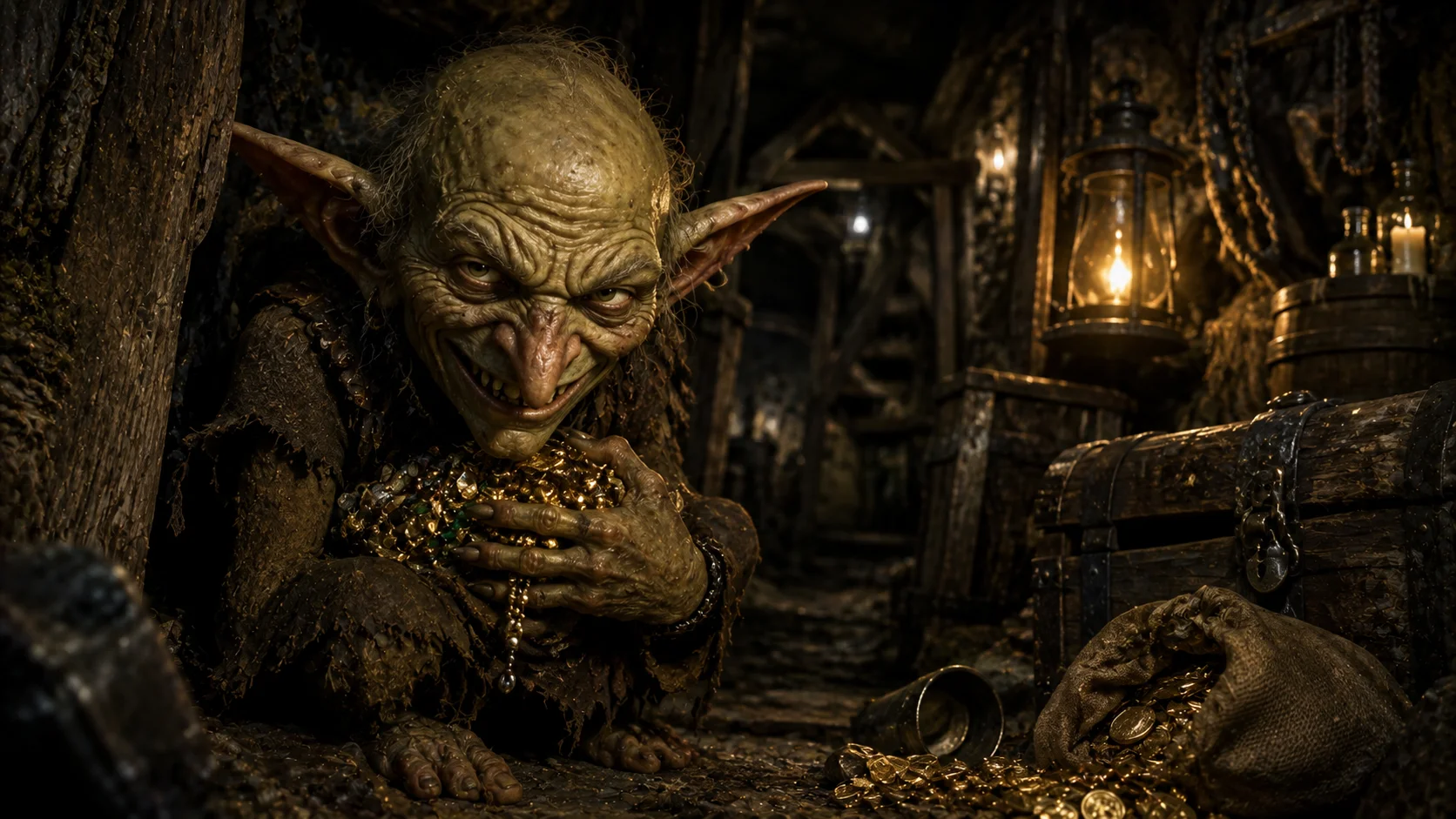
The Goblin, the small, ugly, malicious sprite of European folklore — a grotesque little creature, mischievous to malevolent, that haunts homes, mines, and
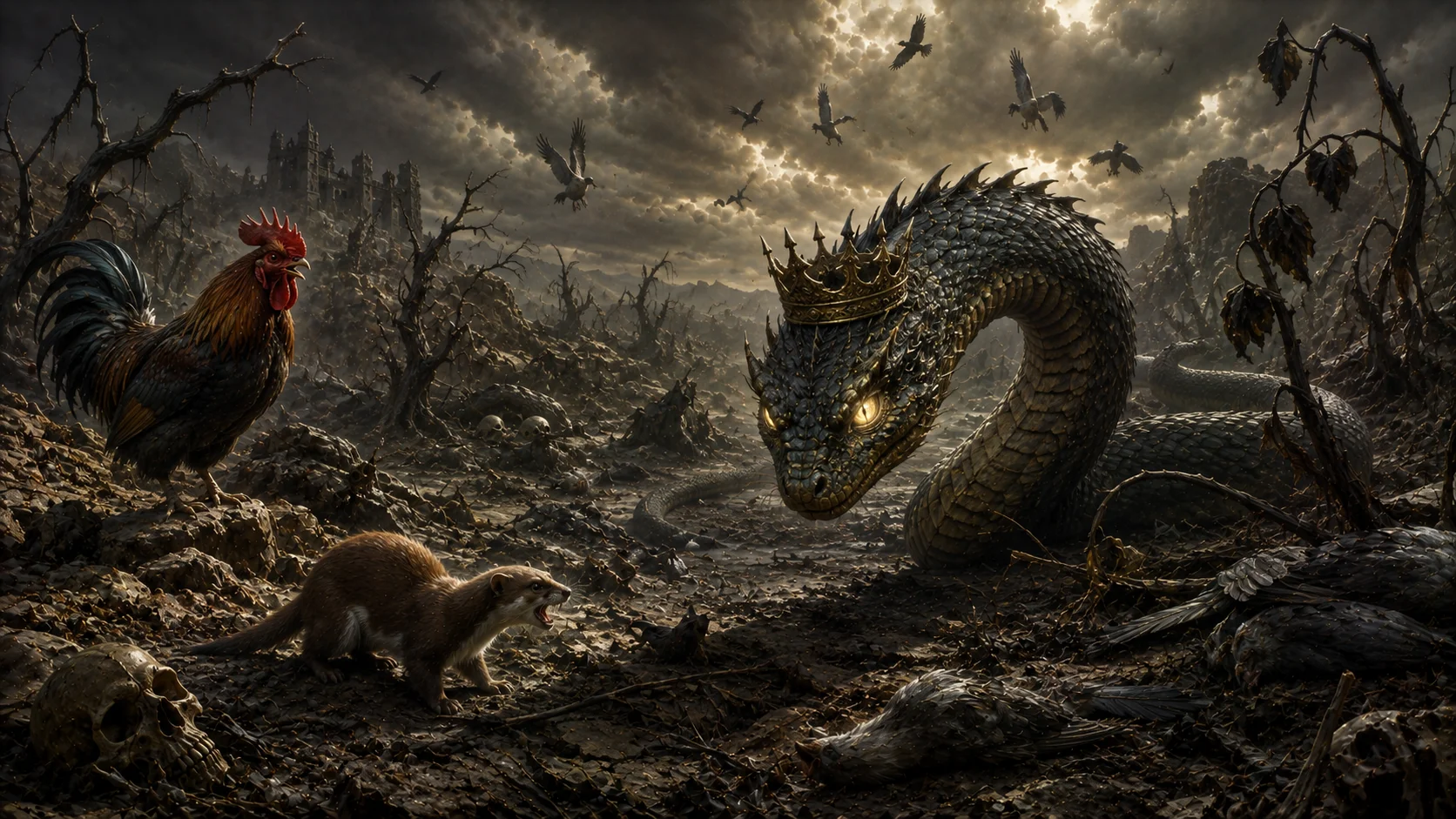
The Basilisk, the dread “king of serpents” of classical and medieval European legend — a small but supremely deadly reptile whose gaze and breath bring
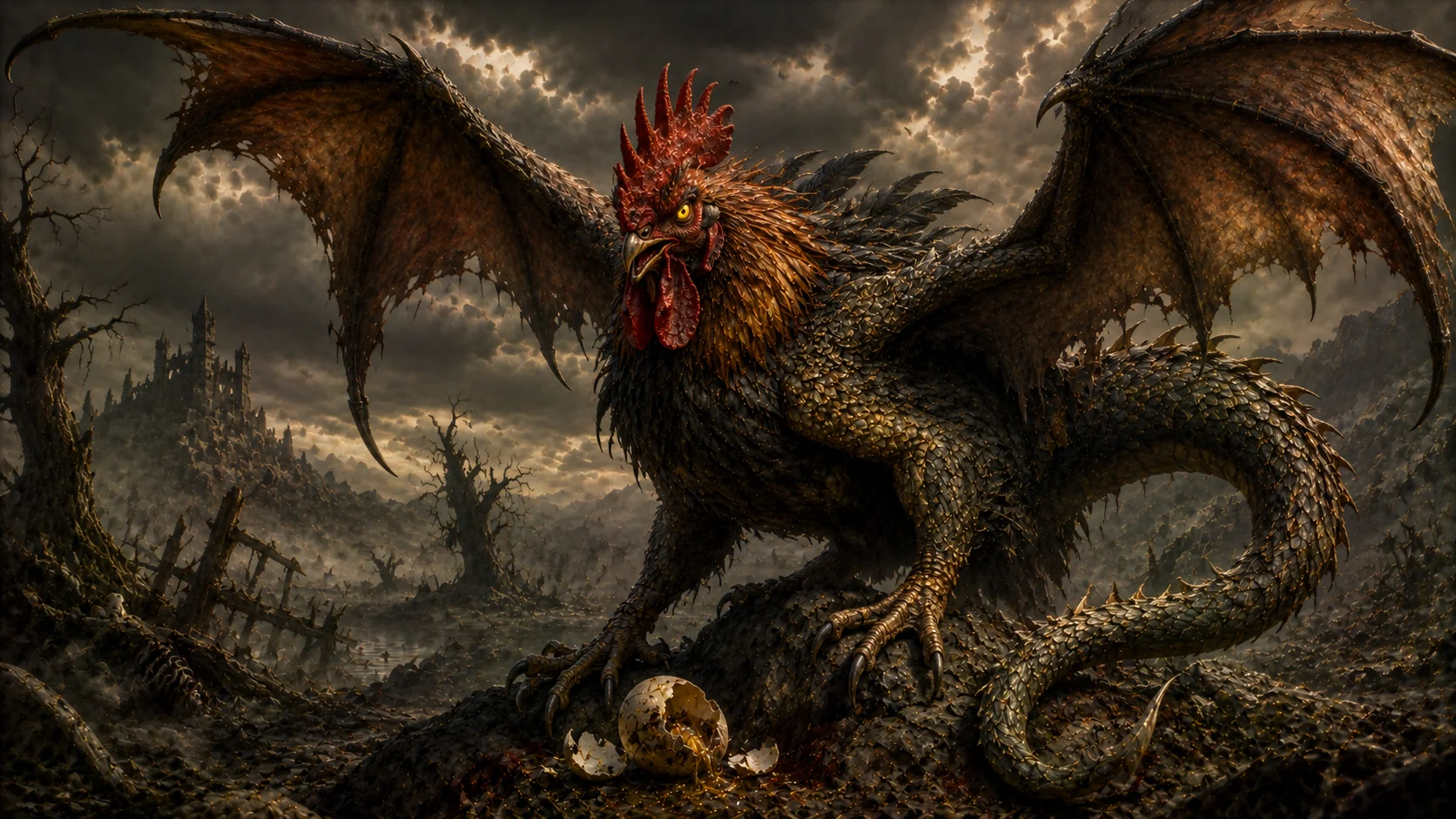
The Cockatrice, the dragon-rooster monster of medieval European legend — a fearsome hybrid of cock and dragon, hatched from a cock's egg incubated by a
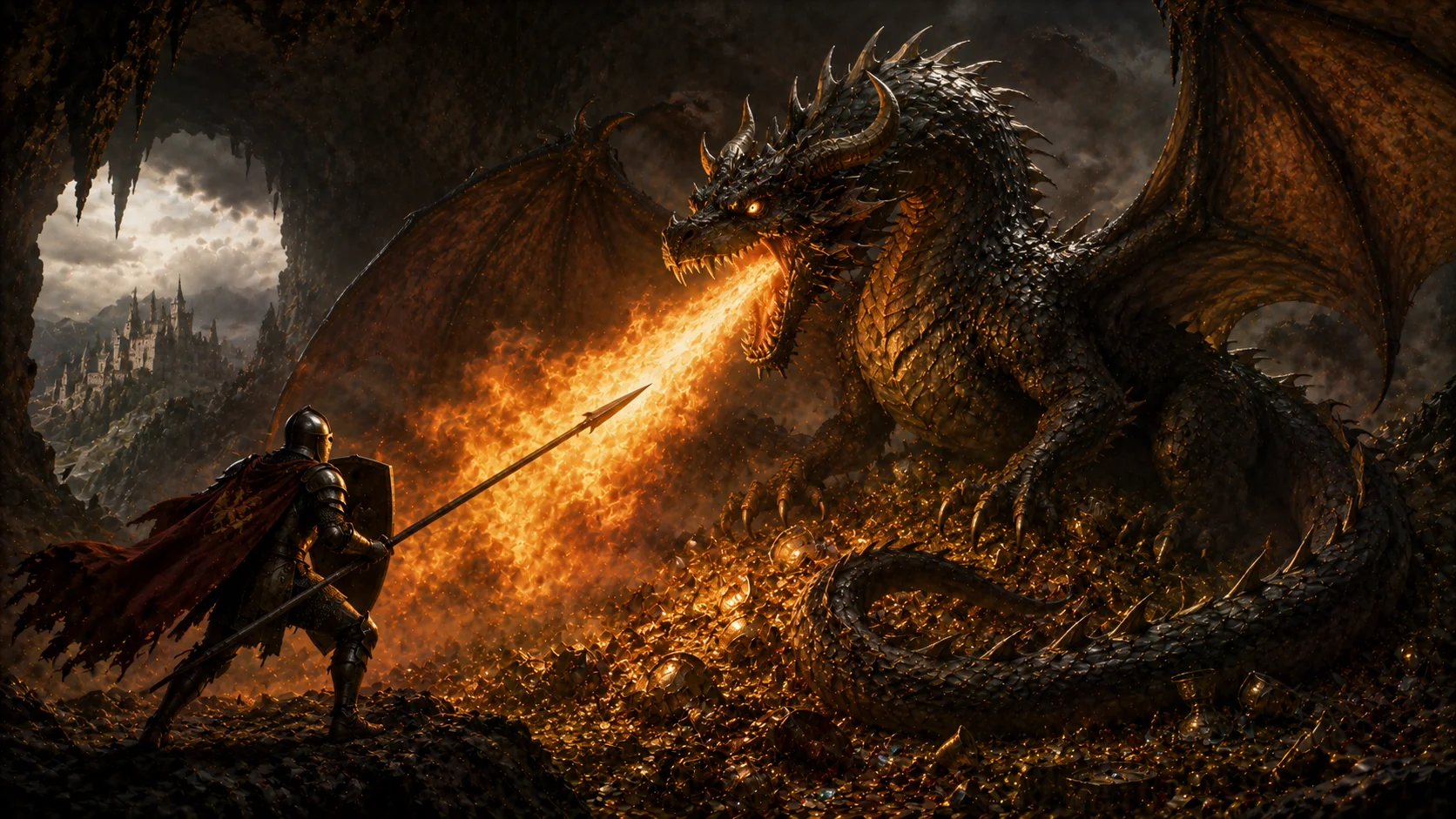
The European Dragon, the great fire-breathing, hoard-guarding monster of European myth — a vast scaled, winged reptile that breathes fire, hoards gold,
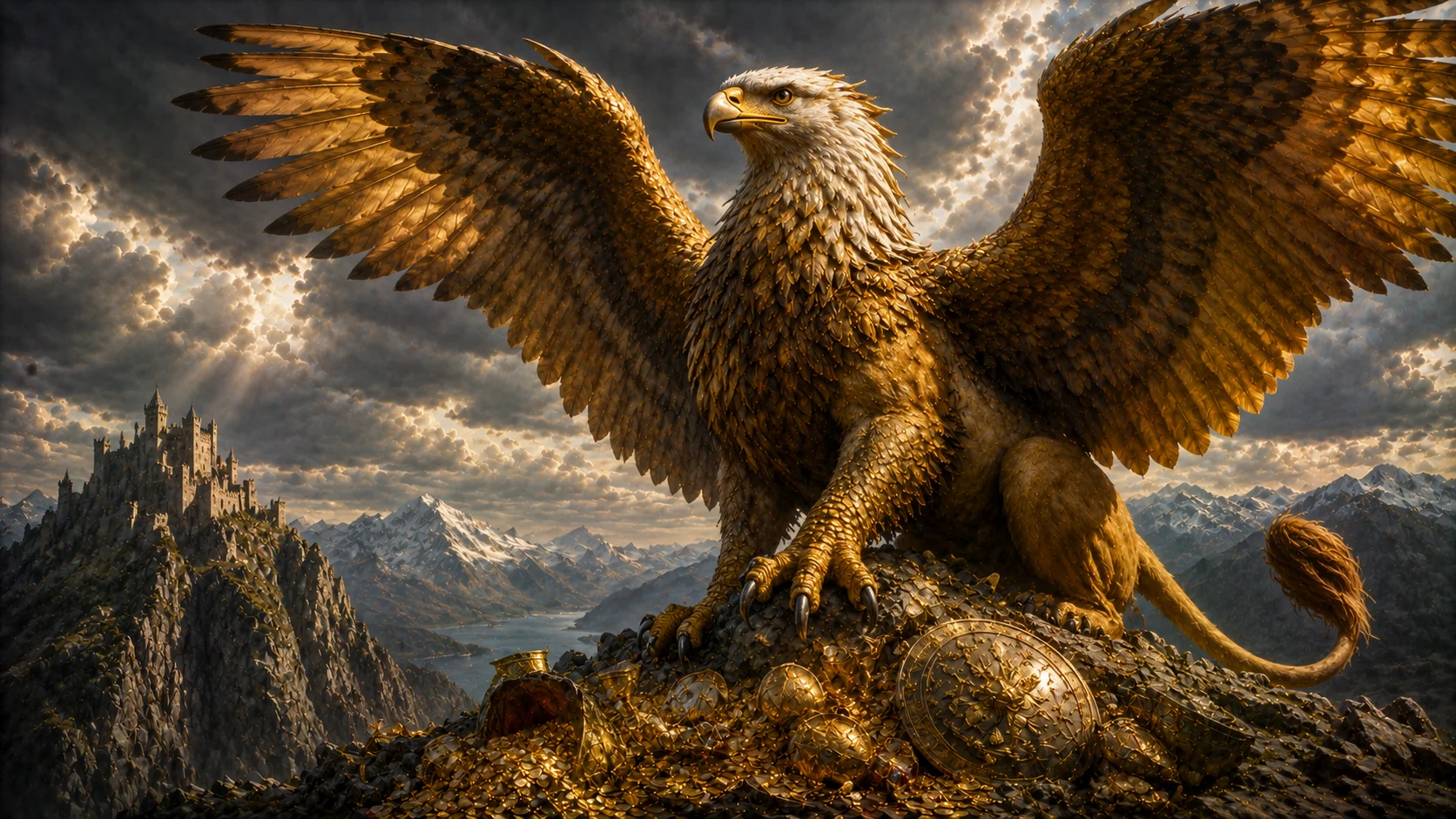
The Griffin (Gryphon), the majestic eagle-lion of classical and medieval European legend — a noble beast with the head and wings of an eagle and the body
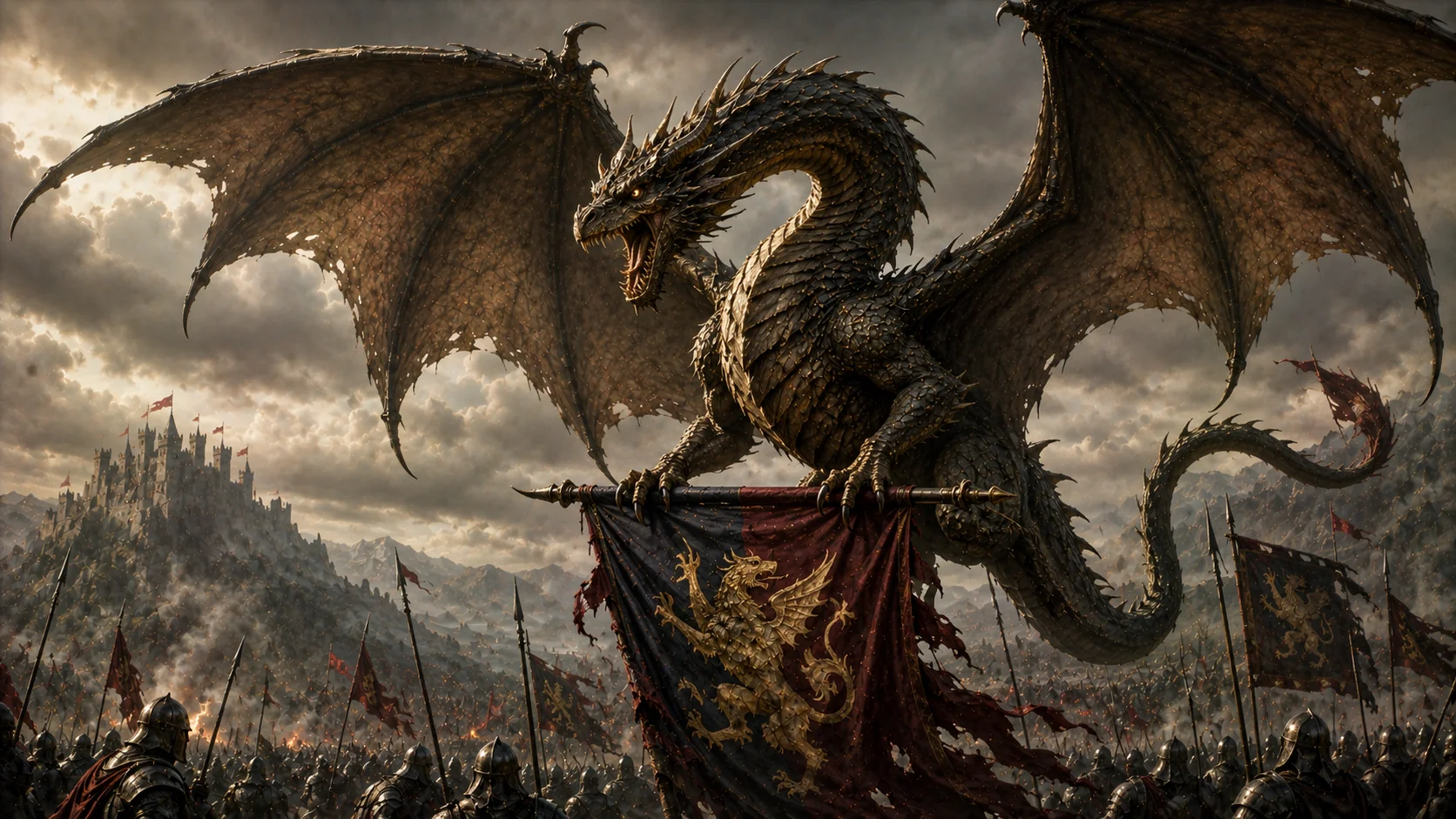
The Wyvern, the two-legged winged dragon of European heraldry and legend — a dragon-like creature with eagle's legs, bat-wings, a serpentine body, and a
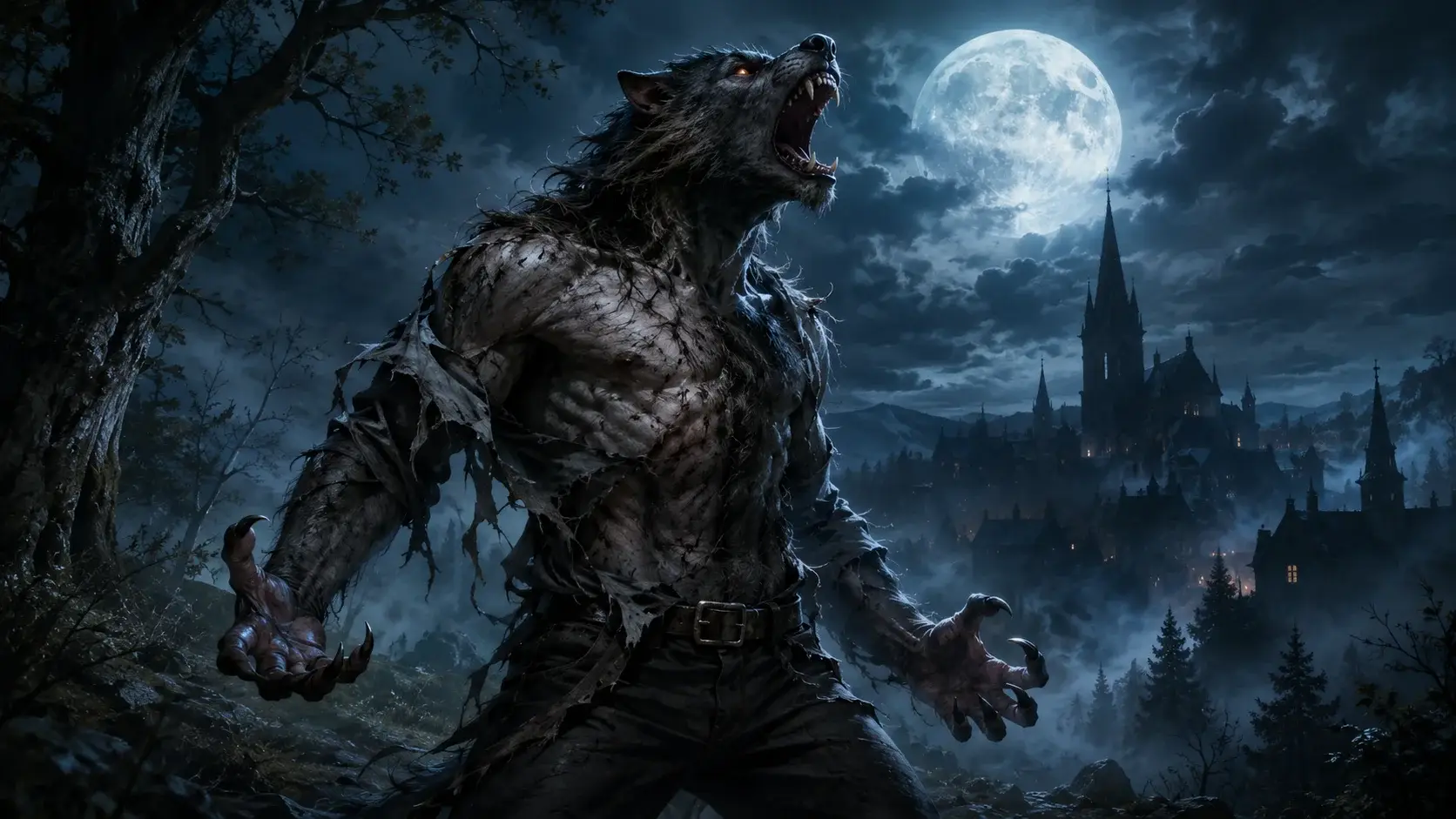
The complete legend of the werewolf: how a person becomes one, the real 16th-century werewolf trials, silver and wolfsbane, and the wolf-man's brothers across world mythology.